Français
 English
The best neighbourhoods to live in Las Palmas de Gran Canaria

- Climate: the city has an average temperature of 17° in winter and 25° in summer, thanks to its position near the Tropic of Cancer and the North Atlantic trade winds.
- Seafront: Guanarteme runs along Las Canteras, an urban beach more than three kilometres long where El Lloret and La Cícer are the surf spots; some of its housing is very old and needs renovation. San Cristóbal, quieter, runs along the Avenida Marítima.
- Cultural life: Triana and the Barranco del Guiniguada are home to theatres, the conservatory and the international film festival, with sale and rental prices above the city average. Vegueta, a colonial quarter more than five centuries old, is home to the cathedral and Columbus's house.
- Other profiles: Ciudad Jardín is home to the town hall and Parque Doramas; Tomás Morales, near the Obelisco campus, has more affordable but smaller flats; Siete Palmas and La Minilla offer parking and direct access to the ring road.
- Key point: each neighbourhood suits a different lifestyle, from surfing to historic heritage, with clear differences in price and peace and quiet.
Las Palmas de Gran Canaria is the most cosmopolitan city in the Canary Islands. It is one of the cities with the best climate in Europe, thanks to its exceptional location near the Tropic of Cancer and the trade winds from the North Atlantic.
The result is an average temperature of 17° in winter and 25° in summer. Its privileged location also makes it the European capital of the Mid-Atlantic and a cultural and economic bridge between Europe, Africa and America.
If you plan to settle in the capital of Gran Canaria, whether for work, for love of the island or for a change of scene, you can make the most of everything the city has to offer.
But before you start looking for a home in Las Palmas de Gran Canaria, you will want to know which neighbourhood best suits your lifestyle: here are a few pointers.
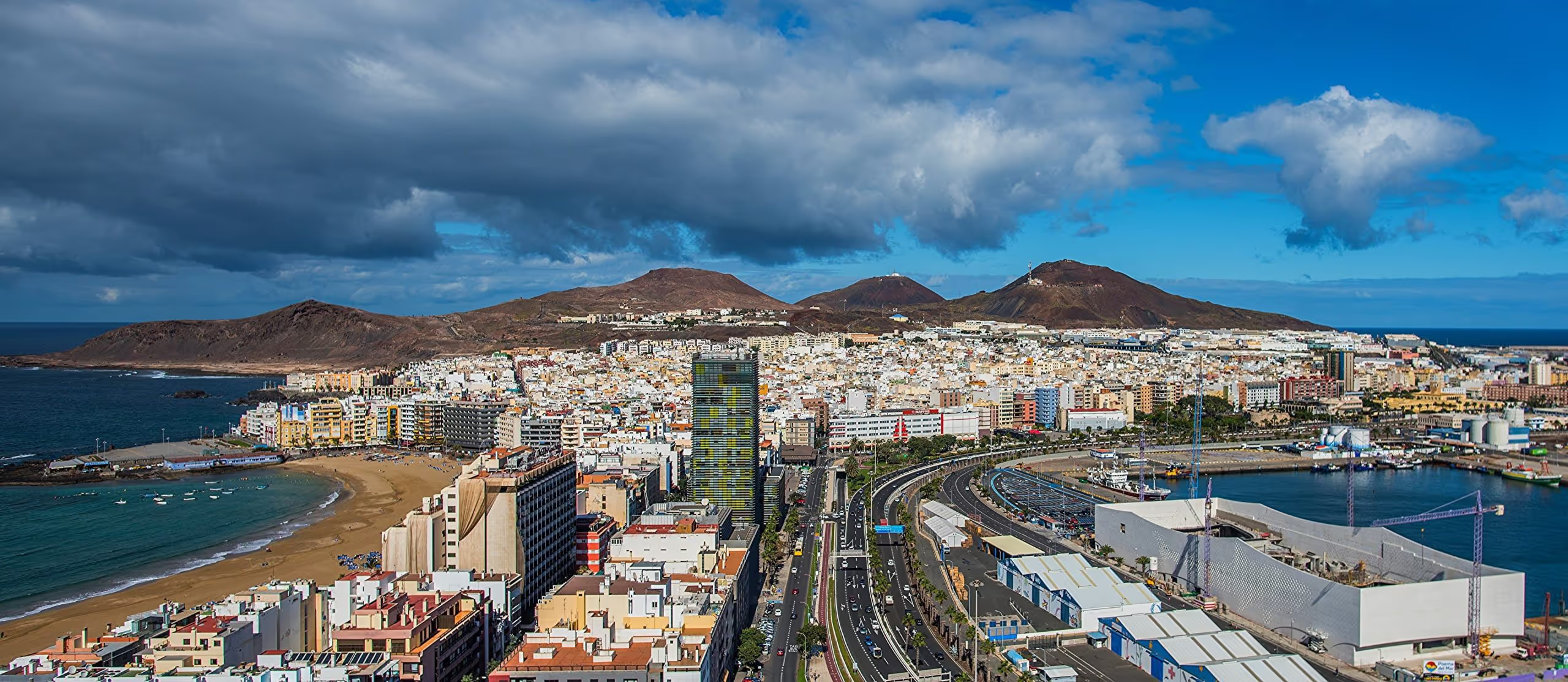
For surfers and sea lovers: Guanarteme
Las Palmas de Gran Canaria stands out for its beautiful coastline and has Las Canteras, one of Europe's best-known urban beaches for its exceptional natural conditions and unique character. El Lloret and La Cícer are the surf spots par excellence on this beach, more than 3 kilometres long.
Besides surfing, Guanarteme has its own nightlife: beach bars and restaurants let visitors and residents enjoy the good weather all year round. On Saturday afternoons, the Ruta de Playa Viva fills most venues on the avenue and the Plaza del Pilar with live music.
If you also want classical music, ballet, opera or pop concerts within easy reach, the Alfredo Kraus Auditorium has a programme for every taste.
For other services, local shops have everything you need (including many surf equipment specialists). Just a few metres away, the Las Arenas shopping centre has a cinema, large supermarkets and a wide range of shops.
On the other hand, part of the housing in this neighbourhood has become very old and needs renovating. Being close to the beach, it has a high concentration of tourists, exchange students and nightlife venues.
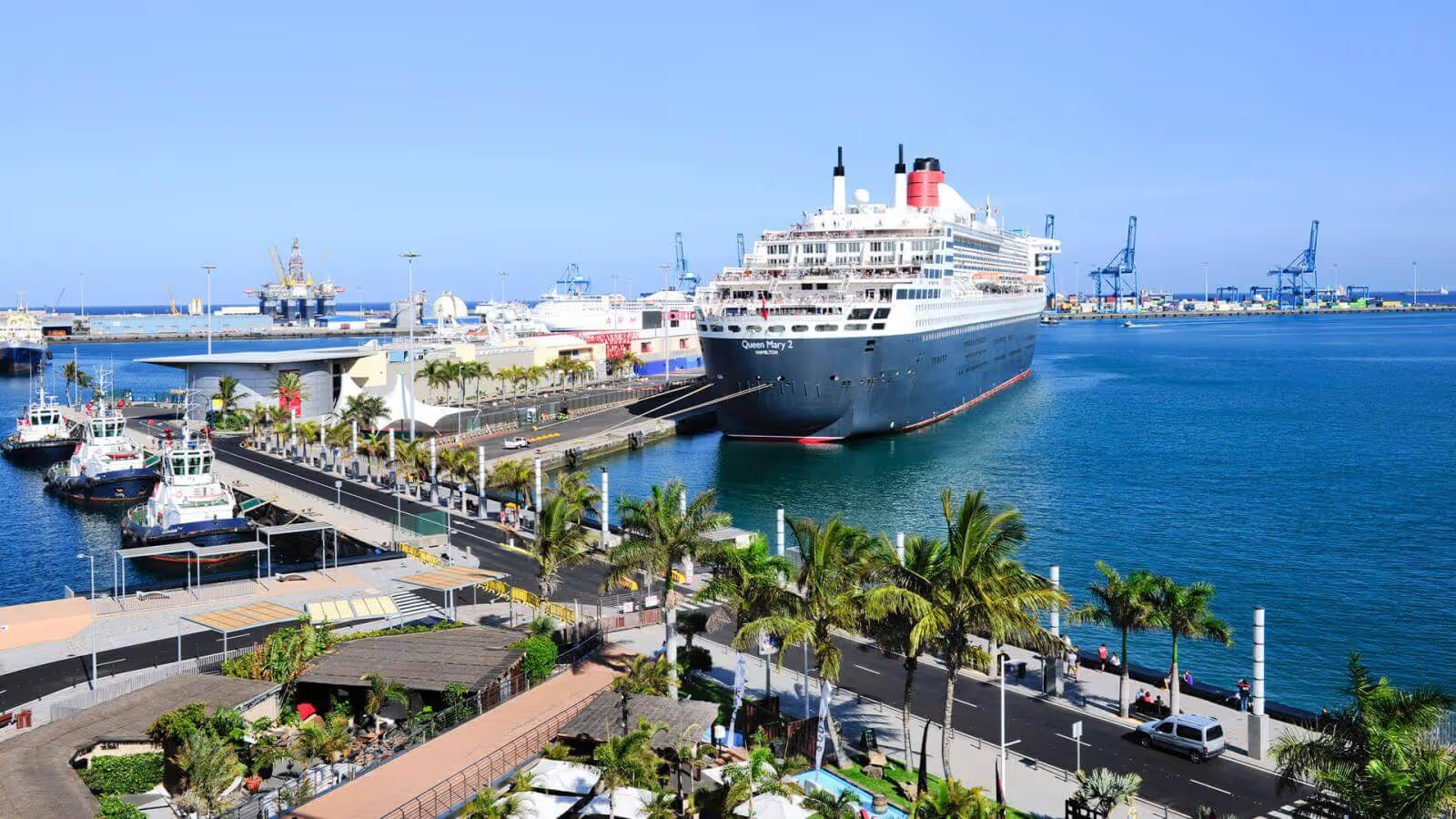
For shoppers: the Puerto area
Las Palmas de Gran Canaria is one of the economic engines of the Canary Islands thanks to its position at the crossroads of three continents. Its intense commercial activity makes it the shopping hub of the archipelago, with open-air shopping streets and areas, shopping centres combining top brands with leisure, and flea markets with products to suit every demand.
And of course, Santa Catalina park is close to the city's hotels and the cruise ship terminal, which fill the streets with tourists every month of the year.
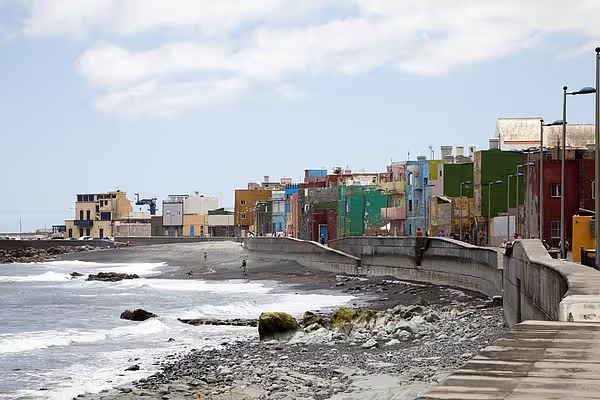
A taste for fresh fish: San Cristóbal
San Cristóbal is the ideal seaside neighbourhood of the capital of Gran Canaria. If you dream of living to the rhythm of the Atlantic breeze, running or skating along the Avenida Marítima and enjoying a home by the sea, this is the place to settle. You can also enjoy fresh fish in the neighbourhood's restaurants. Just by crossing the motorway, you have access to all essential services: hospitals, supermarkets, sports centres and much more.
San Cristóbal offers a peaceful life, away from the noise of the city, lulled by the gentle sound of the sea.
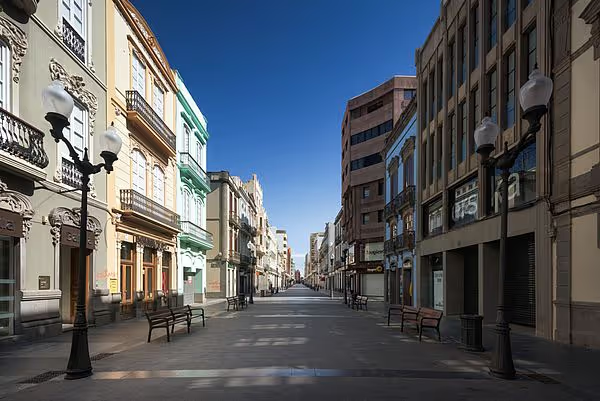
For bohemians who want to be in the centre: Triana and the Barranco del Guiniguada
Triana and the area around the Guiniguada are two parts of Las Palmas de Gran Canaria where much of the city's cultural life is concentrated. They are the cultural heart of the city and home to major monuments and buildings such as:
- the Pérez Galdós theatre,
- the Gabinete Literario,
- the Benito Pérez Galdós house museum,
- the Guiniguada theatre,
- the Cuyás theatre,
- the Conservatory,
- Monopol Multicines and its yearly Las Palmas de Gran Canaria International Film Festival,
- San Telmo park: together, they offer a wealth of cultural events all year round.
Triana is the place for street musicians, street theatre and circus, and its side streets are where the buzz is, with bars and some of the city's restaurants.
Because of its central, historic character and its architecture shaped by the region's colonial heritage, rents and house prices have risen.
For all these reasons, prices are generally above the city average. But if you like being in the thick of things and noise in summer does not bother you, you will not be disappointed.
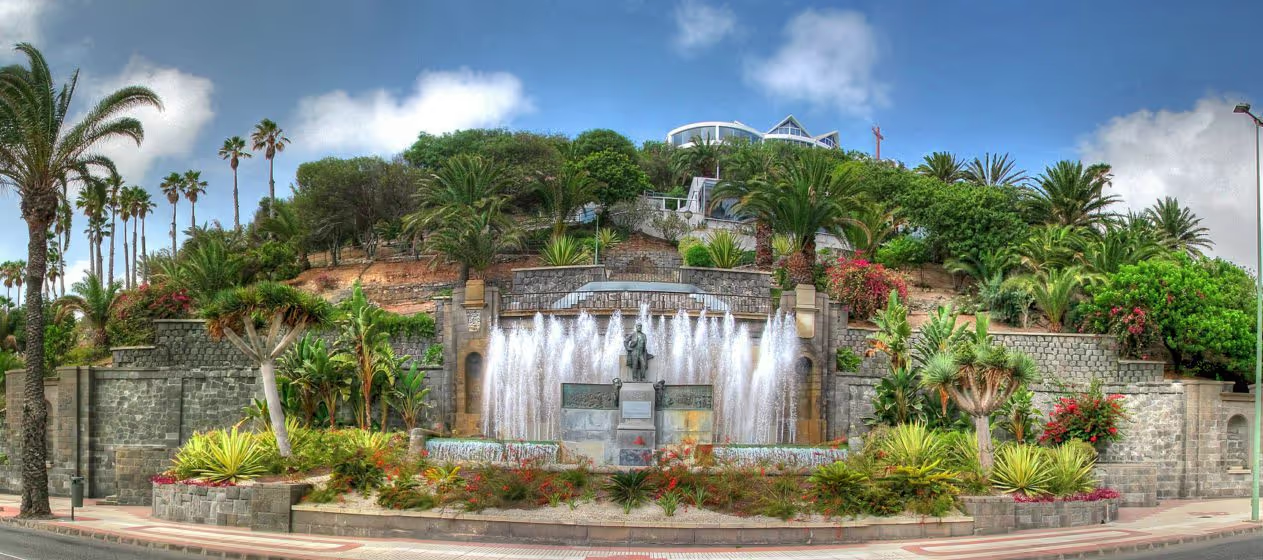
For those who value peace and quiet: Ciudad Jardín
Ciudad Jardín is one of the hubs of Las Palmas de Gran Canaria. It houses the town hall offices and has an excellent transport network for getting around the rest of the city.
The neighbourhood itself is fairly residential, but it has two of the city centre's new parks nearby: Parque Doramas and the Pueblo Canario, which preserve the essence of the city's more recent history. Parque Romano, for its part, has many swimming pools and sports centres. Its central location makes it ideal for people who want to do sport without going too far from home.
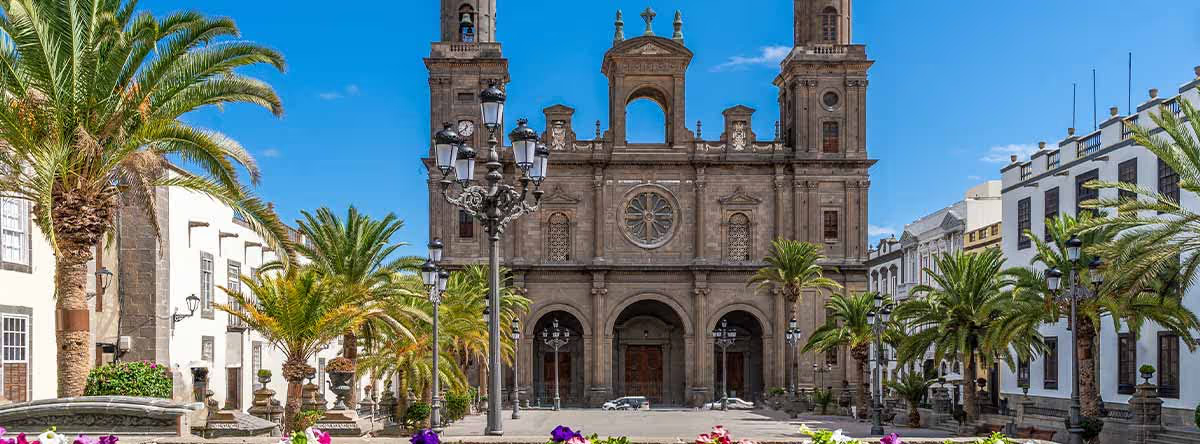
For lovers of historic heritage: Vegueta
Walking through the colonial-style quarter of Vegueta is a journey into the past of a city with more than five centuries of history. Historic figures such as Christopher Columbus passed through Vegueta, and its strategic location exposed it to attacks by pirates of various nationalities.
It is the city's historic quarter. Here you will find the Museo Canario, Las Palmas cathedral and Columbus's house. The old town hall buildings have recently been renovated. Plaza de Santa Ana and its pedestrian lanes add a village atmosphere. The neighbourhood's squares add to its lively mix of daily life and shopping.
The neighbourhood is fairly quiet, except on Thursdays, when the Noche de los Pinchos makes it the centre of the city's nightlife. If you want to live here, avoid the streets with restaurants. And if you have a car, forget about parking on the street: you will need to rent a parking space or walk from nearby neighbourhoods.
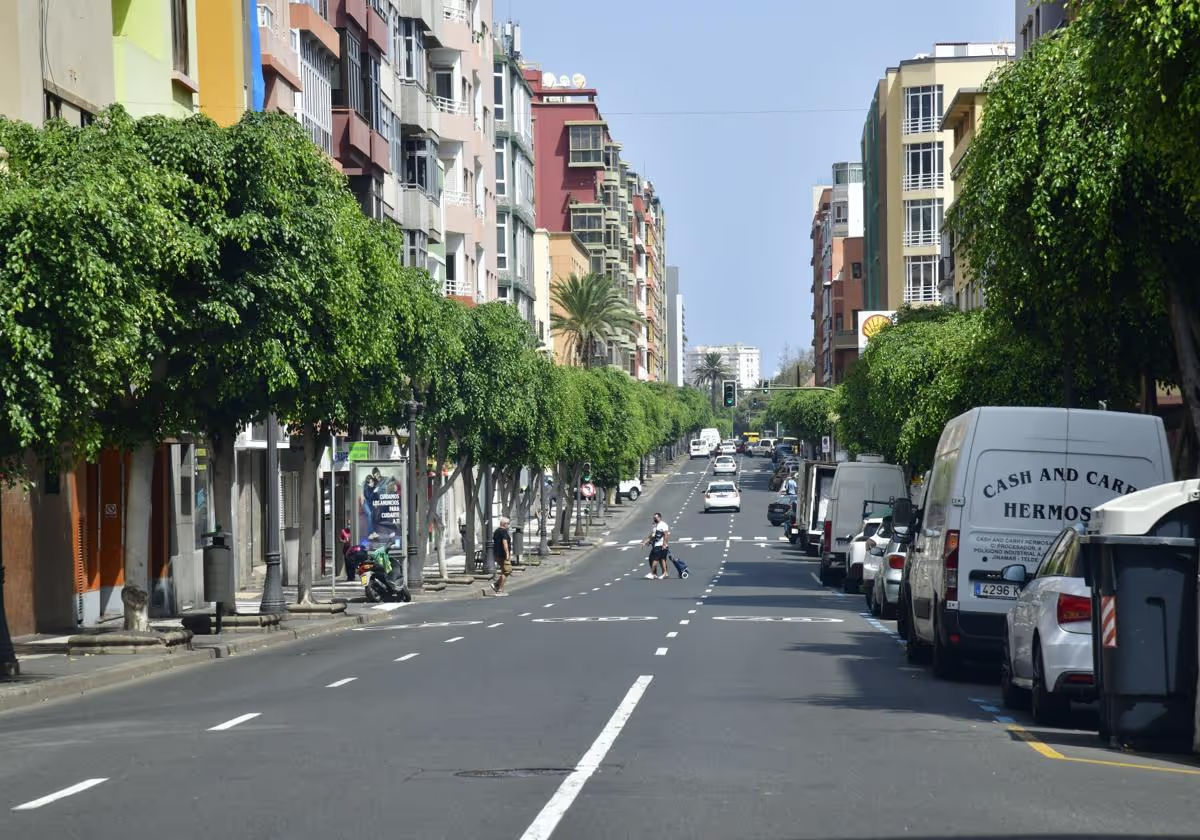
For students: Tomás Morales
The Obelisco campus and the schools along this wide street of Las Palmas de Gran Canaria attract many students. Flat prices are slightly more affordable than in other neighbourhoods, but flats are generally much smaller. If you are a student or enjoy neighbourhood life in the centre, this is the best area for you.
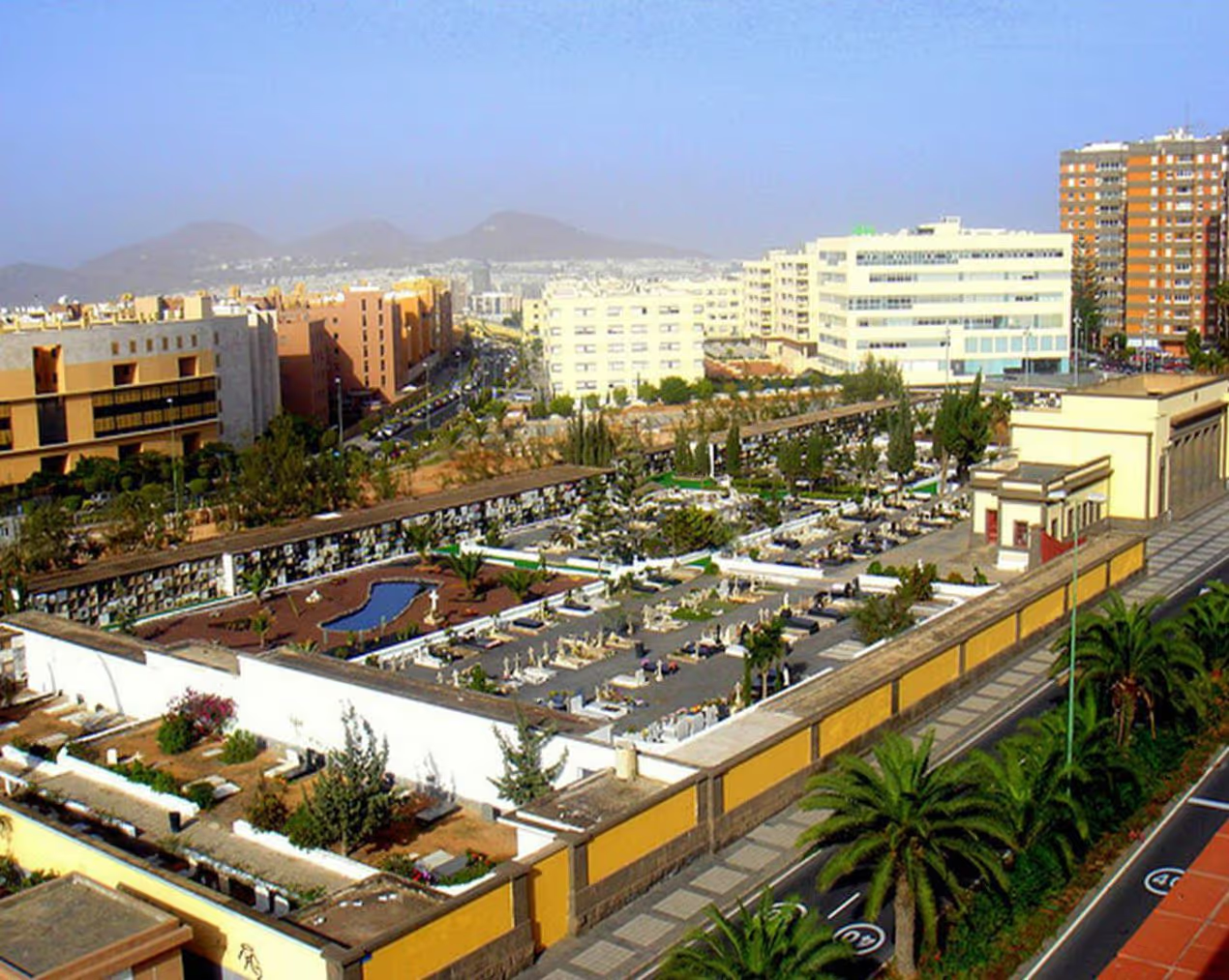
Away from the centre, but still in the city: Siete Palmas and La Minilla
Wide avenues, boulevards, shopping centres and big supermarkets in the most modern neighbourhoods of the capital of Gran Canaria, without the bustle of the centre but with direct access to the ring road around the capital. From here, you can head back to the centre for work or set off to other parts of the island. Parking is rarely a problem and most new residential buildings have parking spaces for those who choose these areas.
From La Minilla, direct access to Mesa y López brings residents close to all kinds of services and large leisure and dining areas. Sports fans who choose Siete Palmas will have the Gran Canaria stadium and the Gran Canaria Arena on their doorstep. On the other hand, they will face traffic jams when big matches end.
Would you like to invest in a property in one of these neighbourhoods of the Canary Islands? Contact us. We will answer all your questions.
Source: lne.es
Planning a property purchase in Spain?
Get a call back from one of our local advisers.
Frequently asked questions
What is the difference between Gran Canaria and Las Palmas de Gran Canaria?
Gran Canaria is one of the main islands of the Canary archipelago, while Las Palmas de Gran Canaria is the island's capital. Located on the north-east coast of Gran Canaria, Las Palmas is the largest city in the Canary Islands and the ninth largest in Spain.
What is the main city of Gran Canaria?
The main city of Gran Canaria is Las Palmas de Gran Canaria. Located on the north-east coast of the island, it is the largest city in the Canary Islands and one of the ten most populated metropolitan areas in Spain. Las Palmas de Gran Canaria is also the capital of the province of Las Palmas and shares the status of capital of the Canary Islands autonomous community with Santa Cruz de Tenerife. The city is known for its beaches, especially Las Canteras beach, which stretches for more than three kilometres and has clear water, ideal for swimming. Its historic centre, Vegueta, is a must-see that reflects the city's rich history and cultural heritage.
Is Las Palmas de Gran Canaria worth visiting?
Las Palmas de Gran Canaria is a lively city offering a rich mix of culture, history and modern life. Its main attractions include Las Canteras beach, more than three kilometres long, the historic quarter of Vegueta with its picturesque lanes and colonial buildings, and the Casa de Colón museum, devoted to the history of exploration.
The city also enjoys a pleasant climate all year round, which makes it an attractive destination for travellers looking for relaxation and culture.
All in all, visiting Las Palmas de Gran Canaria offers a rewarding experience that combines beautiful beaches, historic heritage and a lively atmosphere.
Where is Las Palmas located?
Las Palmas de Gran Canaria stretches for almost 10 km between the Guiniguada ravine to the south and the Isleta peninsula to the north. This location gives it a pleasant climate all year round, which makes it a popular destination for travellers looking for sun and beaches.
Where to go for a stroll in Las Palmas?
- Las Canteras beach: ideal for relaxing, swimming or water sports.
- Vegueta quarter: perfect for strolling and discovering local history.
- Poema del Mar: a modern aquarium showing a variety of marine ecosystems.
- Casa de Colón: a museum devoted to the history of exploration and Christopher Columbus.
These places reflect the cultural and natural richness of Las Palmas de Gran Canaria, offering visitors a varied experience that combines relaxation, history and leisure.
Thomas Rouer is the founder of Alveo Search and the CEO of the Alveo group. Based in Spain for almost ten years, he develops property services designed for the specific needs of foreign buyers.
His expertise covers every aspect of buying property in Spain: understanding the market, searching for and selecting properties, negotiation, financing, paperwork, tax and securing the purchase process.


Our resources for buying in Spain