Français
 English
Best countries to retire abroad (and where Spain ranks)

- Spain: a cost of living lower than in the UK or northern Europe, and an average purchase price of €1,700/m². EU citizens need no visa, British and American retirees need a residence visa; everyone needs a foreigner's identity number. Pensions are taxed locally, with treaties to avoid double taxation.
- Portugal: rents of €700 to €1,000 a month in city centres, recommended budget €1,700 to €2,000. The NHR regime, which taxed foreign pensions at 10% for ten years from April 2020, closed to new residents in 2024.
- Thailand: budget of €1,000 to €1,500 a month. The O-A visa is for people over 50, with €1,700 of monthly income or €21,000 in savings; the O-X visa requires a €79,000 deposit.
- Costa Rica and Morocco: residence in Costa Rica requires €1,400 of monthly income. Morocco has rents of €300 to €600 and an 80% reduction in income tax.
- Key point: the recommended budget ranges from €1,000 to €2,000 a month depending on the country; tax, healthcare and residence rules vary widely.
When the time comes to retire, more and more people decide to leave their country and enjoy a quiet life abroad. New retirees take the opportunity to discover new landscapes and new cultures. Some flee the cold for the sunshine, others want a better quality of life, and others look for a better health system and more favourable taxation.
However, the benefits vary from one country to another. So the question is: where should you retire abroad? In this article, discover the details of the best countries to retire abroad.
Looking for a property for your retirement in Spain? Feel free to book a free consultation.
The sunniest country to retire to: Spain, a top choice for retirees
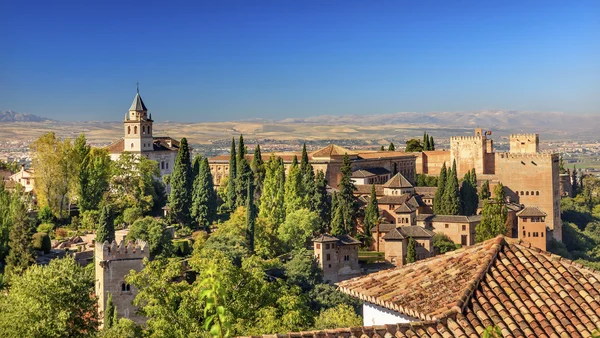
The Spain of today is one of the most popular countries with retirees from the UK and northern Europe. Not only does the sun shine all year round, but its idyllic setting is a real asset. What's more, it is only a short flight from London, Amsterdam or Berlin.
Here are the reasons to choose Spain for a good retirement.
Sunshine all year round
Spain enjoys a pleasant Mediterranean climate. The sun is always there, whatever the season. Temperatures are generally mild, with very mild winters. In some regions summers are very hot, in others there is occasional rain. Even so, this climate remains one of the country's main assets for retirement.
An affordable cost of living
If you are thinking of moving to a foreign country to live on a small pension, the cost of living in Spain is generally lower than in the UK, the US or northern Europe. Housing, food and transport all seem cheaper. According to the Spanish Social Security, the average retirement pension is €830. For a foreign retiree, living on a pension of €1,500 a month is quite possible.
However, in big cities such as Madrid or Barcelona, the cost of living is considerably higher. On the other hand, if you can buy a property, your expenses will fall sharply without rent to pay. Depending on the city, the average price is €1,700/m².
Tax and residence for foreign retirees
Another point in Spain's favour for EU citizens (from Germany, the Netherlands or Ireland, for example): they need no visa to settle there. British and American retirees need a residence visa, usually the non-lucrative visa, which requires sufficient income and health insurance. Everyone will also need a foreigner's identity number (NIE) to carry out formalities such as opening a bank account or buying a property. You will also need it to register a driving licence.
In Spain, resident retirees become liable for Spanish tax. Most pensions, even if paid from abroad, are therefore taxed in Spain. All your income must also be declared to the tax authorities at set rates. Spain has double taxation treaties with the UK, the US, Germany, the Netherlands and Ireland, so the same income is not taxed twice. And if you become an owner, you will pay a property tax.
An excellent health system
The Spanish health system is one of the reasons why the country appeals to retirees. It has many skilled professionals to care for older people. Retirees can choose between public and private healthcare, and the private system often has shorter waiting times. If you receive a UK State Pension, you may be able to use Spanish public healthcare with an S1 form.
For the best cover, private insurance is recommended, especially if you have a chronic illness or a specific medical history. Careful planning is essential to get the right care and personal follow-up.
The best regions to settle in Spain
You are probably wondering which country to choose for a peaceful retirement. Spain is an excellent choice. If you want to live by the sea, the Costa del Sol would be an ideal place to live, with a privileged lifestyle and beautiful scenery. Marbella, Málaga and Nerja already have many foreign residents. These towns let you keep an active and comfortable lifestyle, with a pleasant climate. If you like big cities near the beach, choose Barcelona. In Valencia, you will be closer to nature. For lovers of history, art and culture, Seville, the city of flamenco, would be the best destination.
Portugal, once the country with the best tax regime for retirees
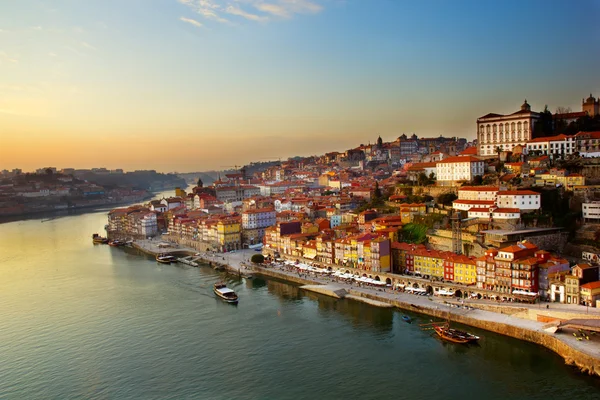
Sunny destinations are particularly popular with people going into retirement. For settling abroad for good, Portugal is one of the favourite destinations of European retirees. What's more, you can keep receiving your pension while living outside your home country.
A tax regime that is less attractive than before
Rents in city centres in Portugal range from €700 to €1,000 a month. You also need to allow for running costs (food, gas, transport). An average budget of €1,700 to €2,000 a month is therefore needed to live comfortably in the country.
In terms of tax, Portugal was long seen as a country with a tax-friendly retirement. From April 2020, the foreign pensions of retirees under the non-habitual resident (NHR) regime were taxed at 10% for 10 years. But the 2024 State Budget closed this regime to new residents. Inflation also reduces the advantage, as rising property prices show.
A mild climate and a pleasant way of life
Portugal's main asset is its high level of sunshine. Summers are hot but quite bearable. In winter, the sky is clear and always sunny. It is undoubtedly one of the best climates for retirees, especially on the coast. That is also why this part of Portugal is always packed with tourists in high season.
As for activities, Portugal offers plenty of options. The beach is ideal for a morning walk or jog, and parks such as the Parque Urbano do Jamor are perfect for relaxing. There are also many museums rich in culture, not to mention the food.
An efficient health system
When you move to a new country, it is very important to take care of your health. As soon as you arrive in Portugal, you must register with the Serviço Nacional de Saúde (SNS) as a resident.
Fortunately, the public health system is very accessible and inexpensive for residents. However, if you need specific care, private medicine is the best option for its speed and efficiency. It is therefore advisable to take out health insurance that suits your personal needs.
The best places for retirees in Portugal
Most retirees looking for a cheap place to retire settle mainly in three areas: the Algarve, Lisbon and Porto.
The Algarve, in the south of Portugal, is popular for its warm climate, with nearly 330 days of sunshine. It is also a peaceful region with golden beaches and picturesque villages.
If you prefer city life, choose Lisbon. The capital is cosmopolitan, both modern and historic. It is also a dynamic city with modern infrastructure. As for housing, rent is about €800 a month for a 40 m² flat. North of Lisbon, in the Porto region, life is cheaper, and the coastline and its varied cuisine are perfect for retirees. To combine peace and quiet with easy access to amenities, towns such as São Martinho do Porto and Vila do Conde are also ideal.
Thailand: a tropical paradise for retiring on a small budget
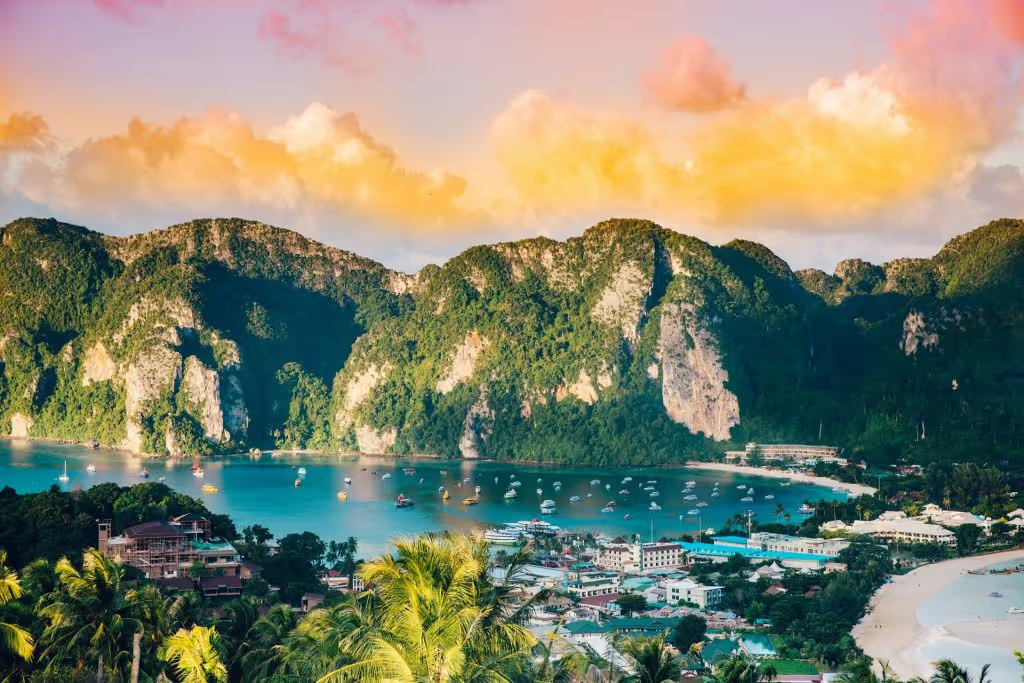
Fancy an Asian adventure in your later years? Thailand is a perfect place to live. The country offers many advantages to older people looking for calm and a change of life.
A very low cost of living
Want to take a step back and wondering where to retire abroad? Thailand offers a peaceful and very affordable retirement. Thanks to a favourable exchange rate with the baht, the cost of living is very attractive.
Thailand is a country where living on €1,500 a month is quite possible. Rent is much cheaper than in Europe or the US, at around 5,000 to 15,000 baht (€125 to €350) for a flat and 10,000 to 25,000 baht (€255 to €750) for a condo. You can also treat yourself to a meal out from time to time, as a meal costs between €1 and €6.
An exotic climate and a rich culture
Many people now decide to spend their retirement abroad. In Thailand, you will not feel isolated, as you will find several expat communities. It will be easy to make friends and build a social circle quickly.
Living in Thailand also means having time to explore its historical and cultural heritage at your own pace. Be sure to visit Bangkok and its Buddhist temples, its royal palaces and its colourful markets. West of Bangkok, the town of Kanchanaburi also charms visitors with its historic bridge and picturesque scenery.
Visa options for retirees
If you only plan to spend a holiday in Thailand, check the entry rules before you leave: depending on your nationality and the length of your stay, you may need a tourist visa and getting one can take time. If you plan to settle there, however, you will need a different visa. There are 3 types of visa for retirees:
- The O-A visa: it is for people over 50 and requires a monthly income of at least €1,700 or a bank balance of at least €21,000.
- The O-X visa: it is valid for 10 years, renewable every 5 years. It is only open to nationals of certain countries (check that yours is on the list), and you must show a deposit of €79,000.
- The O visa: a more flexible option, this visa can be converted into a long-stay visa.
Note that if you choose the O-A visa, you must take out health insurance.
The best cities to retire in Thailand
You can choose between several Thai cities for your retirement:
As a retiree, you could settle in a city such as Phuket in the south of the country. You can do all sorts of activities, from golf to a safari in Khao Sok national park. If you are looking for a livelier city, head for Pattaya. Close to Bangkok, it is known for its beach resort, its nightlife and its many attractions. Chiang Mai is also a beautiful city, green and with a mild climate, perfect for older people.
Costa Rica: retirement in the heart of nature
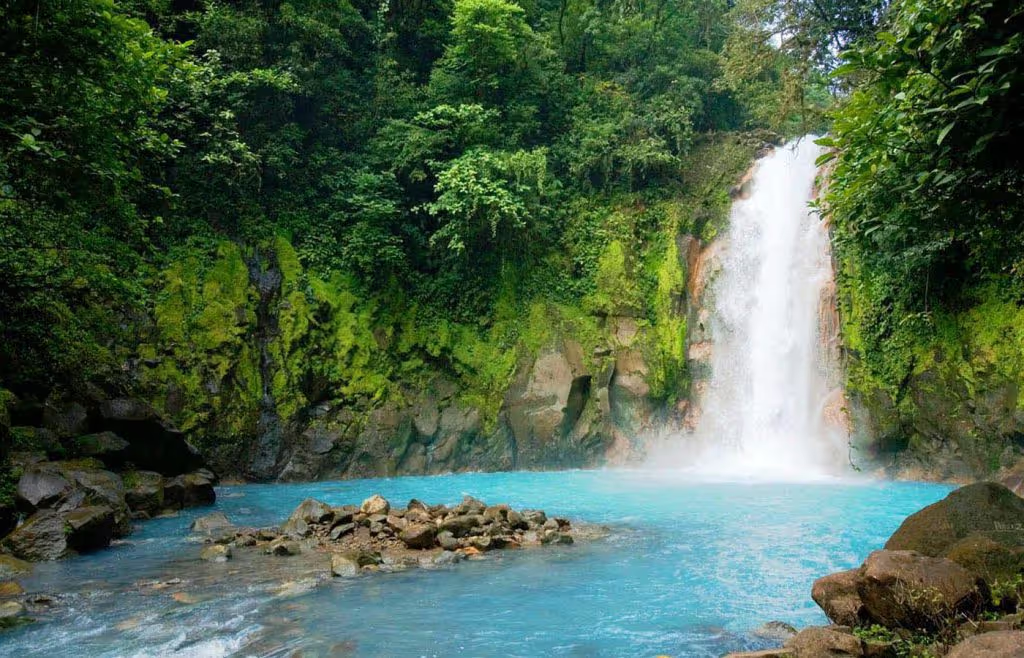
Looking for a Central American country for a good retirement? The Republic of Costa Rica is a popular destination, appealing for its ecological and cultural riches. It is a country full of treasures of biodiversity and culture.
Unlike other destinations, Costa Rica sets fairly strict conditions for foreign retirees. To get your residence permit, you must first prove a monthly income of €1,400. On the other hand, if you receive a foreign pension, it is not subject to local income tax. However, 10% of your pension will be deducted for social security.
One of the happiest countries in the world
The Republic of Costa Rica also appeals to many retirees from all over the world. It even tops a ranking of the best countries to retire in 2024. One of Costa Rica's great strengths is its openness to foreigners and its sense of safety. The country is free of conflict and enjoys great political stability. According to the Global Peace Index, Costa Rica is one of the safest countries in Latin America.
To get resident status in Costa Rica, you will first need a tourist entry valid for 90 days. Then, once there, you apply for a residence visa valid for 2 years.
An ecological, peaceful way of life
In Costa Rica, you will enjoy a warm, temperate climate all year round. It is a climate well suited to retirees. The average temperature ranges between 21°C and 27°C depending on where you are, on the coast or in the mountains.
The Republic of Costa Rica also stands out for the variety of its landscapes, a true natural paradise. With fine sandy beaches, forests, lush national parks and majestic mountains, the country offers a peaceful setting for new retirees.
There is no shortage of things to do either. Retirees can take part in water activities and explore the seabed with professional guides. You can enjoy Costa Rica's beaches and water sports. Art and culture lovers can also wander freely around the nearby historic towns.
A recognised and accessible health system
Costa Rica's health system is recognised as one of the best and most efficient in Latin America. It ranks among the 20 best in the world. The system offers comprehensive care, which is a great advantage for older people in fragile health.
Healthcare is inexpensive, so everyone has easy access to it. The country is well covered with clinics and hospitals throughout the country, both public and private. The best known are the Clínica Bíblica, the CIMA hospital and the Hospital La Católica.
The whole public health system is run by the CCSS, or Caja Costarricense de Seguro Social. Most doctors in the country are highly qualified professionals, which guarantees a high standard of care.
The most popular areas with expat retirees in Costa Rica
Costa Rica already has many expat communities. If you settle in the country, you will easily meet other retirees.
If you are looking for a town where you can live on €1,500 a month, you could choose Puerto Viejo de Talamanca. This small village appeals to European and American expats with its long, beautiful beach, affordable restaurants and, above all, the warm welcome of its people. If you want a well-established foreign community, choose Ojochal and its many French and Québécois residents. There is no shortage of restaurants and bakeries for a coffee break when you want to get out with your new friends. San José is another dream destination for retiring in Costa Rica. It is a modern capital with an affordable quality of life.
Morocco: an exotic retirement on a low budget
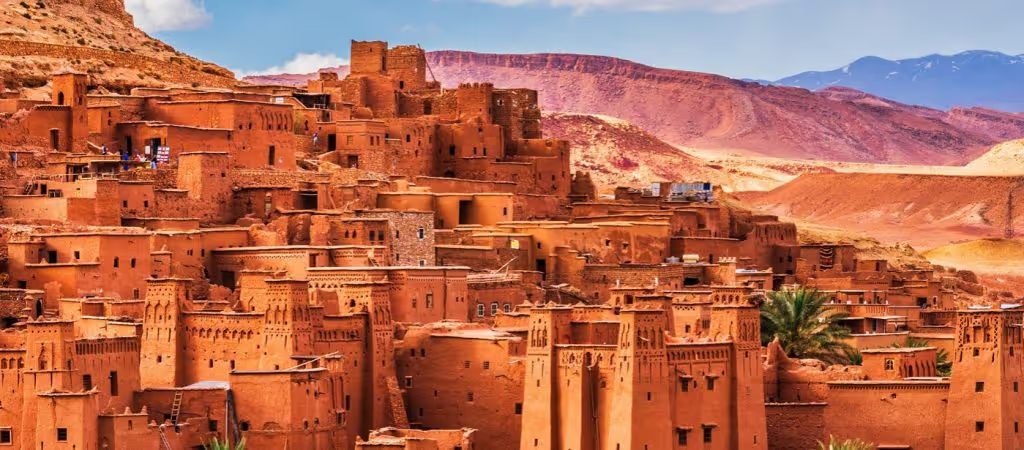
Looking for a cheap destination to spend your retirement abroad? Morocco has everything you could want.
An unbeatable cost of living for small budgets
If many retirees have chosen to live in Morocco, it is mainly for its low cost of living and pleasant way of life. Even on a limited budget, you can enjoy a comfortable daily life while fully immersing yourself in the country's culture.
The cost of housing in Morocco is another reason why new retirees decide to settle there. On average, rents range from €300 to €600 for a two-bedroom flat in a city centre, even in big cities such as Casablanca or Marrakesh. And if you move away from the centre, the average rent can even be under €300. For a house with more bedrooms, however, rents range from €600 to €1,200. In quiet areas such as Agadir or Tangier, you can rent a villa for only €800 a month.
A welcoming culture and a pleasant climate
Retirees often ask themselves: “which country for retiring abroad is right for me?” If you are thinking of settling in Morocco, you will be welcomed by warm, friendly people. This hospitality will make it easier to fit in.
Morocco also enjoys around 340 days of sunshine a year. The climate is mild and warm, the opposite of cold, snowy winters. It suits retirees who are sensitive to cool temperatures. However, periods of extreme heat can be dangerous for older people, as temperatures can reach 50°C.
Easy to reach from Europe
Morocco has several major advantages, especially in terms of entry and tax:
- For stays of under 90 days, British, American and EU citizens do not need a visa. So there are no complicated formalities to stop you enjoying your retirement.
- As for tax advantages, you get an 80% reduction in income tax. You also get a 40% flat-rate allowance on gross taxable income.
- Finally, you benefit from a tax exemption on the capital gain from selling a property that has been your main home for at least 8 years.
- In Morocco, health cover for older people is more or less comprehensive. It is therefore advisable to take out international health insurance so that you are well covered if needed.
The best cities for retirees in Morocco
Whether you prefer lively cities or quieter places, Morocco offers a wide variety of destinations suited to retirees:
For a welcoming, peaceful atmosphere, Rabat is an excellent option. It is Morocco's political capital. If you prefer the Moroccan coast, choose Agadir. The atmosphere there is relaxed, perfect for active retirees who want to enjoy seaside leisure.
The choice of country to retire to depends on your needs and requirements. Among the popular choices, Spain remains one of the top countries for retirees from the UK and northern Europe. It offers many attractive towns suited to older people who want to live in the sun. Residence formalities are not complicated for EU citizens; British and American retirees will first need a residence visa.
Quick comparison of the countries on the key criteria
Here is our comparison of countries to retire to, to help you choose where to spend your golden years:
Climate
- Spain: Mediterranean
- Portugal: Mild and sunny
- Costa Rica: Tropical and hot, slightly humid
- Thailand: Tropical and hot
- Morocco: Sunny and dry
Cost of living
- Spain: Lower than in the UK or northern Europe
- Portugal: Moderate to low
- Costa Rica: Moderate, with some expensive services
- Thailand: Quite low compared with Europe or the US
- Morocco: Affordable, with a lower cost of living than in Europe.
Tax
- Spain: Taxed in Spain, double taxation treaties with the UK, the US, Germany, the Netherlands and Ireland
- Portugal: The NHR regime (10% tax on foreign pensions for 10 years) closed to new residents in 2024. Other tax breaks may apply depending on residence status
- Costa Rica: No specific exemption, but the low cost of living makes up for it
- Thailand: No specific exemption, but the low cost of living makes up for it
- Morocco: Attractive tax regime for expats.
Recommended monthly budget
- Spain: €1,500 to €2,000
- Portugal: €1,700 to €2,000
- Costa Rica: €1,500 to €2,000
- Thailand: €1,000 to €1,500
- Morocco: €1,200 to €1,800
Health
- Spain: Public and private, highly rated
- Portugal: Inexpensive public system for residents
- Costa Rica: Decent public system, private recommended
- Thailand: Public and private, private is faster and of high quality
- Morocco: Public and private, private preferred for specialist care
Final tips to prepare your move abroad
To make the most of your retirement abroad, careful preparation is essential. First of all, be aware of cultural differences: new ways of life can be a challenge to adapt to.
Before you make plans, find out about the formalities to complete, both in your home country and in your new country. Make sure your official documents, such as your passport and identity card, are still valid. Also look into health and pension insurance abroad that might suit you, as well as your pension rights abroad. Don't forget to tell the relevant bodies that you are leaving, such as your tax office, your health insurer and your pension provider.
If people at your destination do not speak your language and you have no contacts there, learning the local language will make it much easier to fit in. Finally, get in touch with expat communities to better understand the cost of living for a retiree abroad and get valuable advice.
Thomas Rouer is the founder of Alveo Search and the CEO of the Alveo group. Based in Spain for almost ten years, he develops property services designed for the specific needs of foreign buyers.
His expertise covers every aspect of buying property in Spain: understanding the market, searching for and selecting properties, negotiation, financing, paperwork, tax and securing the purchase process.


Our resources for buying in Spain