Français
 English
The 50 best Spanish brands: the complete guide

- Fashion: Inditex, founded in 1985 by Amancio Ortega, owns Zara, Massimo Dutti and Bershka and has more than 7,000 stores in 96 countries. Mango, created in 1984, is present in more than 100 countries, Desigual in more than 100 countries with more than 500 shops, and Loewe dates back to 1846.
- Banks: Banco Santander, founded in 1857, reports €52.3 billion in revenue and €9.3 billion in profit in 2024, with 133 million customers and 202,251 employees in 15 countries. BBVA serves 89.3 million customers through 6,040 branches, CaixaBank 15 million through 5,365 branches.
- Energy and construction: Iberdrola, created in 1992, has 34.3 million customers in more than 10 countries. ACS posted €39.2 billion in revenue in 2023 and €605 million in net profit in 2024, Ferrovial €16.7 billion in revenue.
- Tourism and start-ups: Meliá runs more than 380 hotels in 40 countries, NH more than 350 in 28 countries and Barceló more than 250 in 22 countries. Glovo, born in Barcelona in 2015, operates in 25 countries, and Cabify claims 42 million users.
- Key point: the ranking covers fashion, food and drink, telecoms, banking, transport, energy, cosmetics and start-ups.
Spain is one of the major players in the world economy. The country is home to big brands whose reach goes far beyond its borders. From fashion to food, technology and energy, Spanish companies hold a strategic place in many sectors. They play an active part in the country's economic growth and are also a model of innovation and quality for the rest of the world.
In this article, we present our ranking of the best Spanish brands. Find out who these companies are and where they stand in Spain and worldwide. As well as being influential, they keep evolving. We have chosen Spain's most iconic companies, whose reputation reaches well beyond Spanish borders.
Spanish entrepreneurship is recognised around the world, as is the country's leading role in several sectors. These brands contribute a great deal to national wealth and reach the most powerful countries as well as developing ones. Active in many sectors, they reflect the innovation, staying power and creativity of Spanish culture.
The giants of Spanish fashion
The Spanish fashion industry holds an important place in the world economy. Spanish brands are known for quality, variety and style, and they help to promote Spanish culture. Here are some of the biggest names in Spanish fashion.
Inditex (Zara, Pull&Bear, Massimo Dutti)
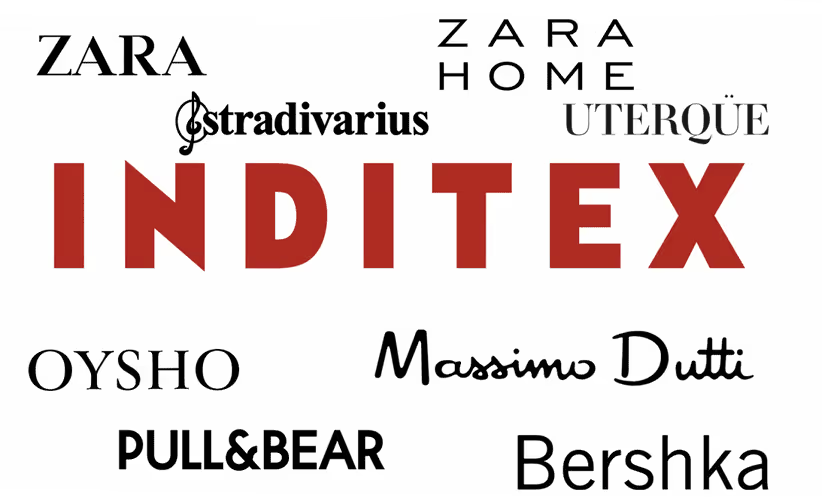
Inditex was founded in 1985 by Amancio Ortega. The company is the world leader in fashion retail and a Spanish icon. This giant owns well-known brands such as Zara, Pull&Bear, Massimo Dutti and Bershka. Zara revolutionised "fast fashion" by offering the latest trends at affordable prices. With more than 7,000 stores in 96 countries, Inditex generates billions of euros a year. The group can launch new collections in a few weeks and, through innovation and sustainability, works to improve its production and distribution practices for an even more responsible future.
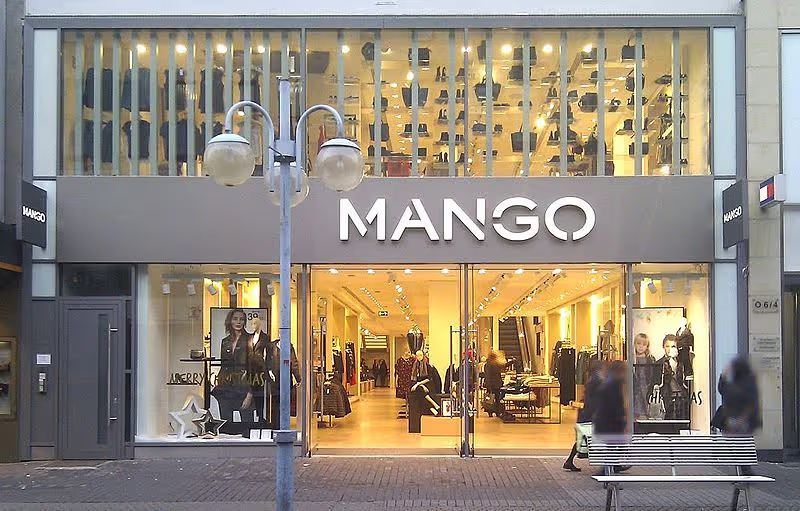
Mango
Created in 1984, Mango is an iconic Spanish fashion brand. It is known for trendy, affordable collections and is one of the world leaders in ready-to-wear. Mango is present in more than 100 countries and offers clothing for women, men and children, as well as fashionable accessories. It is committed to the environment, favouring eco-friendly materials and adopting processes that aim to reduce its carbon footprint. Today, Mango appeals to every generation with its balance of quality, attractive prices and design. The brand offers an omnichannel experience through its physical stores and its user-friendly, reliable website.
Desigual
Founded in 1984 in Barcelona, Desigual is now well known around the world and stands out for its original designs and colourful patterns. Present in more than 100 countries with more than 500 shops, it attracts an international clientele looking for creativity and diversity. Its collections include clothing, accessories and even a homeware line. Committed to sustainability, Desigual works with international suppliers. For 2025, the brand plans to use recycled materials for 30% of its eco-friendly collections.
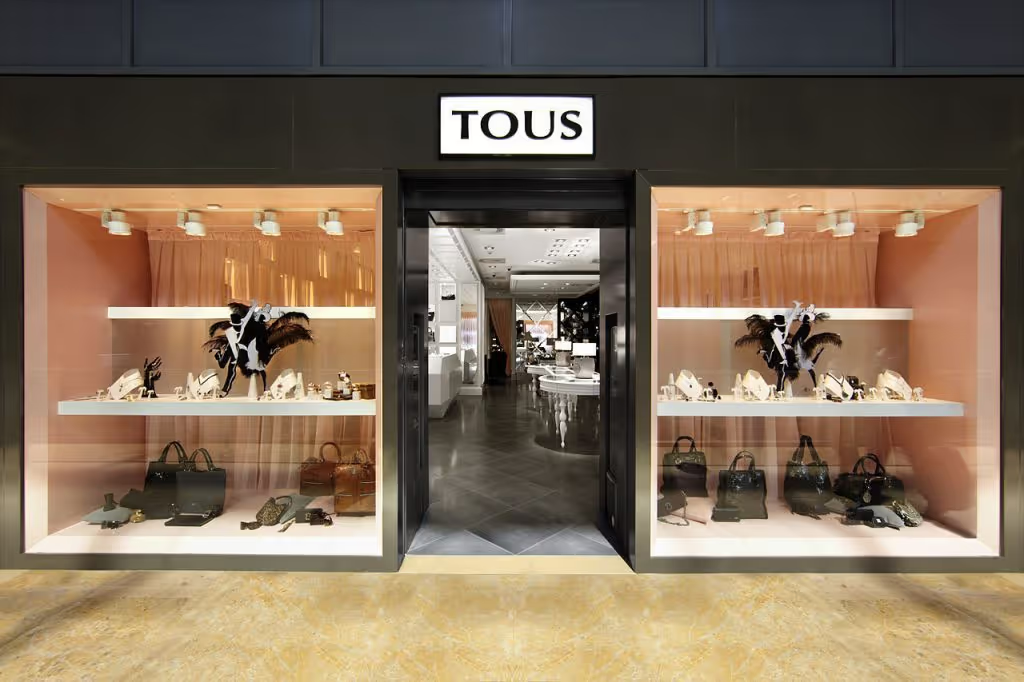
Tous
Tous is a Spanish brand created in 1920 in Manresa. It specialises in luxury accessories, especially handbags and jewellery. Very popular in Spain and the rest of Europe, Tous has also made a name for itself internationally. It has 700 stores in more than 53 countries. Tous works with international celebrities to promote its products. The brand diversifies by collaborating with fashion designers and well-known personalities. The company even teaches the craft of luxury jewellery making through the Tous School.
Camper
Camper is another leading Spanish fashion brand. It is best known for high-quality shoes for men, women and children. The brand puts comfort and unique design first in all its creations. Founded in 1975 in Mallorca, Camper has stood out with its quirky, avant-garde approach to footwear. Its philosophy is traditional design reinvented, with particular attention to comfort. Camper attracts buyers from all over the world and aims to combine good looks and function. This family business works with famous designers to refine its products and strengthen its image as a leader in sustainable fashion.
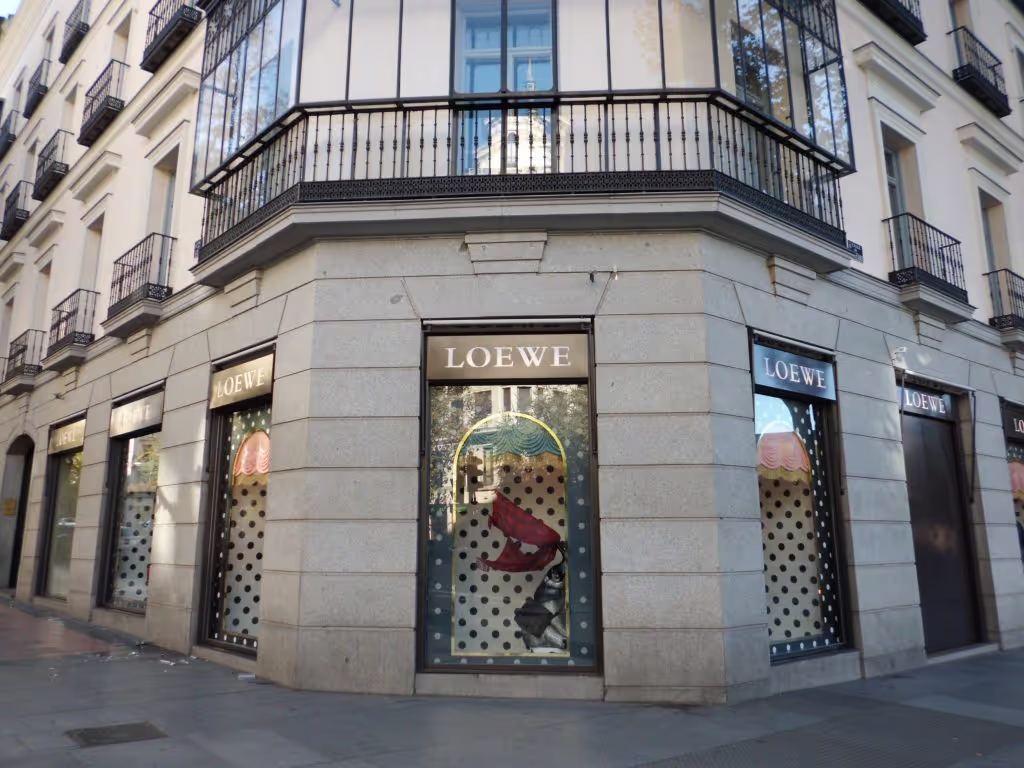
Loewe
Loewe is one of Spain's most prestigious luxury brands and a key name in high-end fashion. It was founded in 1846 in Madrid and specialises mainly in leather bags, small leather goods, luxury perfumes, accessories and ready-to-wear collections. The brand is known for the exceptional quality of its products and its craftsmanship. Its refined touches are easy to recognise, as Loewe combines tradition and innovation. It works with contemporary designers to offer collections that are both classic and modern. Its presence in the luxury sector is strengthened by its 6,000 prestigious boutiques. Loewe is committed to sustainability and responsible practices.
The leaders in food and drink
Spain is also a major player in food and drink. Several iconic companies export quality products around the world. These brands do more than fill supermarket shelves: they show unique culinary know-how and play a key role in the country's economic growth.
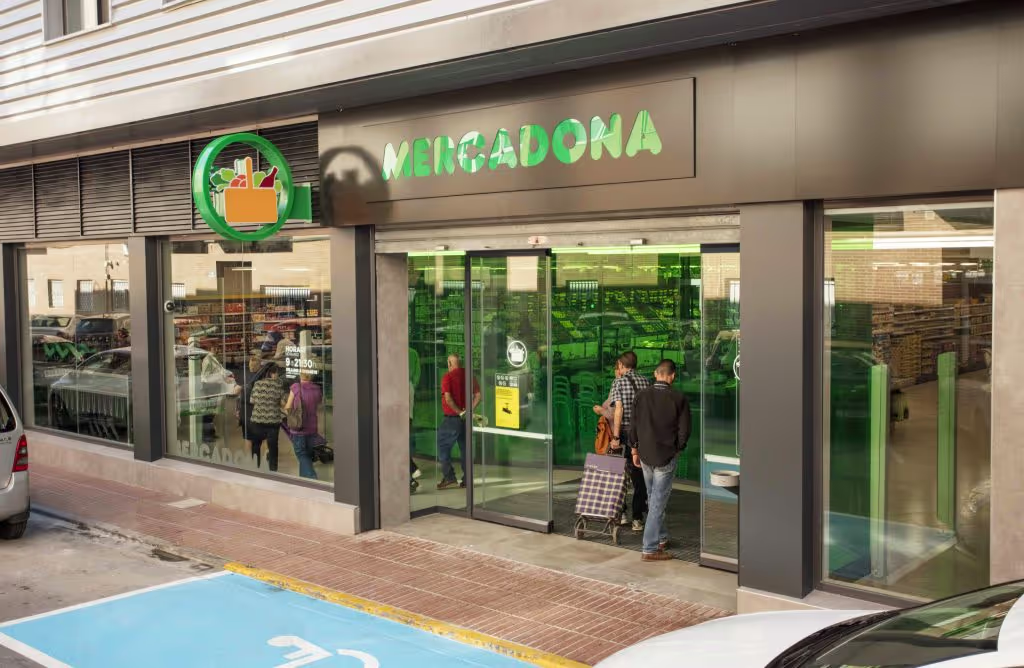
Mercadona
Mercadona is Spain's food retail giant and one of the most influential brands in the country. Founded in 1977, it is a large chain of neighbourhood supermarkets that has become the leader in food retail in Spain. It has more than 1,600 stores across the whole of Spain. Mercadona has won the hearts of Spaniards with its competitive prices and its commitment to premium-quality products. It stands out for its customer-focused approach and makes a point of offering products that are fresh, local and from its own brands. It is also a pioneer in sustainability and innovation.
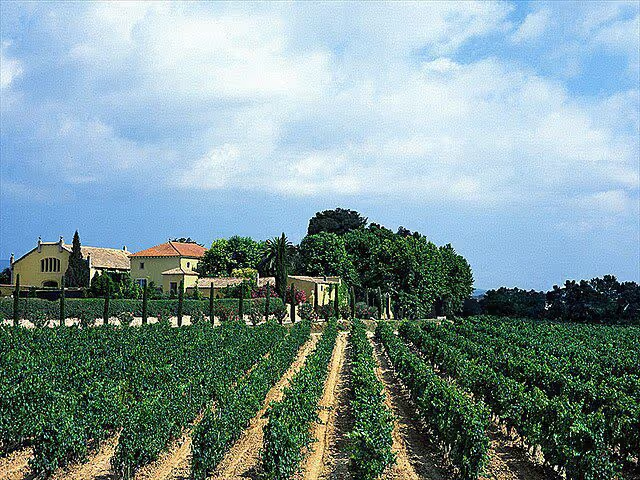
Torres
Bodegas Torres is a leading Spanish wine brand with 1,300 hectares of vineyards. Founded in 1870 in the Penedès region, Torres is one of the largest wine producers in Spain, and its wines are exported to more than 150 countries. The brand is known worldwide for its outstanding wines and unique grape varieties, as well as for its environmentally friendly farming. Torres champions innovation in winemaking. To do so, it trains its staff, experiments with new production processes and constantly seeks to improve the quality of its wines. Today, Torres has its own label and exports to nearly 150 countries.
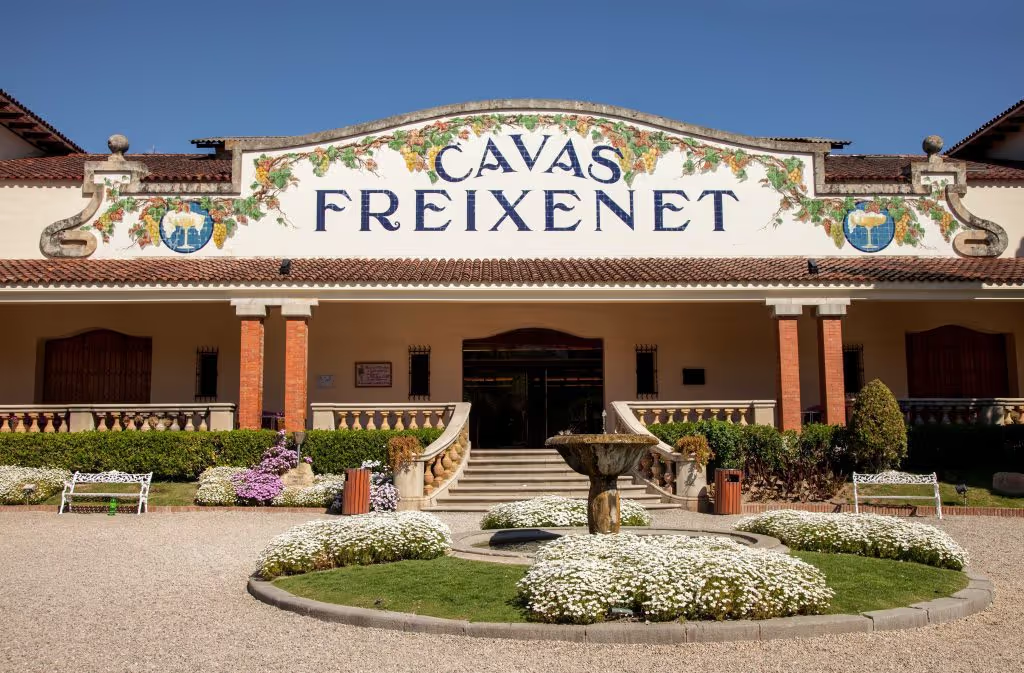
Freixenet
Freixenet is another family business that leads in drinks production. It is known above all for cava, the traditional Spanish sparkling wine. Founded in 1861 by its winemaker Joseph Bujan, Freixenet is one of the world's largest cava producers. To date, the company has produced more than 100,000,000 bottles of cava. Its products are sold in more than 100 countries, and the brand is a regular choice for prestigious celebrations and international events.
Grupo Mahou-San Miguel
Grupo Mahou-San Miguel is a Spanish leader in beer brewing. Mahou, founded in Madrid in 1890, and San Miguel, acquired in 1988, are two iconic brands that now belong to the group. Mahou-San Miguel thus became Spain's leading brewer and a major player in the world beer market. Several beer brands have come out of it, including Mahou, San Miguel, Alhambra and many more. The group has widened its range with soft drinks such as Mixta Shandy and even wellness products.
Borges
Borges is a family business founded in 1896 in the Tàrrega area. Today, the brand has become a world leader in producing and packaging pasta, nuts, olive oils and nut-based foods. Borges has grown into a key player in the food industry, with a strong international presence. The brand is especially known for the quality of its extra virgin olive oils and its nuts, grown using sustainable methods. Borges stands out for its efforts to promote a healthy, balanced diet, putting natural, quality products first.

Estrella Damm
In 1876, an Alsatian named August Kuentzmann Damm, who lived in Barcelona, founded the company behind Estrella Damm. Today it is one of the most famous beer brands in Spain, closely linked to Barcelona, the city where it was born. The brand is known for its commitment to quality beer, including a gluten-free beer, made with natural ingredients and traditional know-how. The company cares about the environment and uses sustainable, eco-friendly practices in its production. Estrella Damm goes beyond classic lager: the brand also offers flavoured beers and works with famous chefs on limited, exclusive editions.
The champions of telecoms and technology
Spain also ranks among the strongest countries in telecoms and technology. Here are some of the Spanish companies that stand out for their strength, their international expansion and their key role in digital transformation.
Telefónica
Telefónica is one of the largest telecoms companies in the world and the undisputed leader in Spain. Founded in 1924, Telefónica operates in more than 14 countries, mainly in Europe and Latin America. It is a powerful multinational in mobile services, broadband internet and cable TV, as well as other technology solutions for businesses. Telefónica is a strong advocate of connectivity and a major player in the Internet of Things (IoT) and 5G. It operates in several countries, including Portugal, Argentina, Brazil, Chile, Colombia and many others.

Indra Sistemas
Indra is a Spanish information technology and consulting company. It provides IT solutions to sectors such as aerospace, defence, energy, transport and telecoms. Founded in 1993, Indra is now one of the world's main providers of advanced technology solutions and ranks 85th among the world's arms producers. The company is known for its expertise in artificial intelligence, cybersecurity and big data. Today, it operates in more than 20 countries, with more than 250 million customers.
BQ
BQ is a Spanish technology company specialising in the design of smartphones, computers and consumer electronics (CE). Founded in 2010, the company grew quickly in Spain and abroad, especially thanks to its high-end yet affordable Android smartphones and tablets. BQ also develops innovative solutions in 3D printing and astronomy: the company makes and sells innovative telescopes and equipment for enthusiasts. Among its best-selling products are two ranges well known to the public: Edison and Aquaris.
Televes
Televes is a Spanish company specialising in telecoms equipment and audiovisual solutions. Founded in 1958, Televes designs equipment for TV broadcasting and connectivity. It is especially known for its aerials, set-top boxes and solutions for digital terrestrial television (DTT). It also offers services for building corporate network systems. Televes is a large group made up of 20 industrial and service companies. It also has 10 international subsidiaries, all working on digital technology and the spread of broadband internet. Televes makes about 1,500 different products, exported to more than 100 countries.
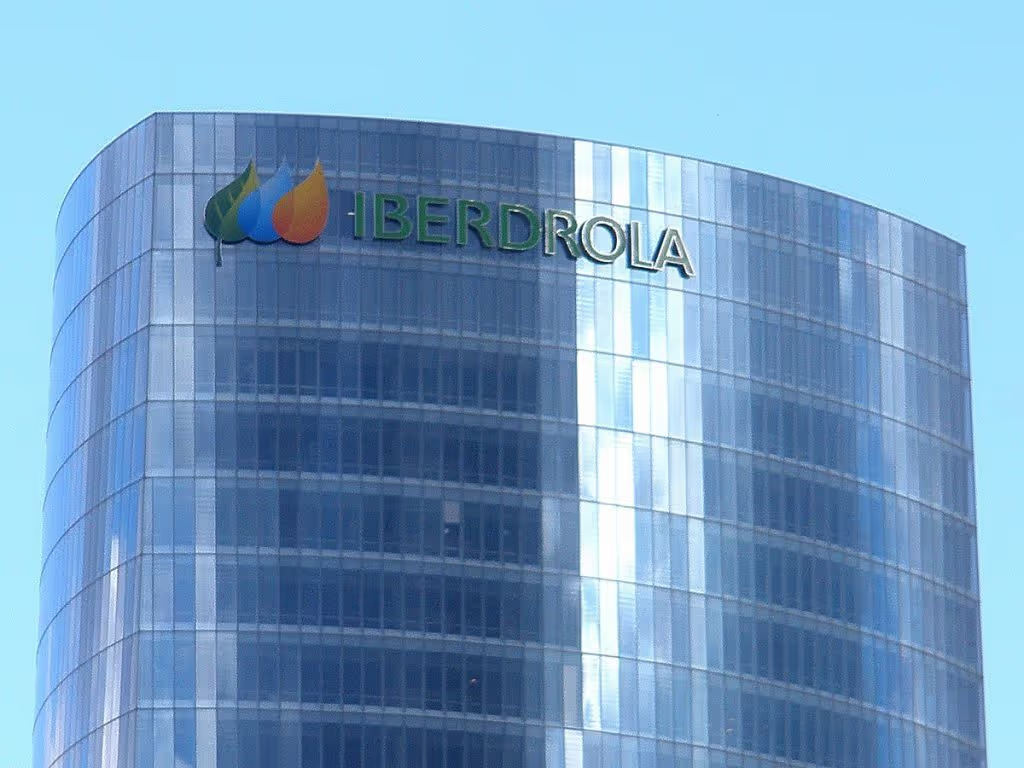
Iberdrola
Iberdrola is a leading Spanish company in the production and sale of gas and electricity. Founded in 1992, it is now the world leader in renewable energy. In 2010, it earned a place among the 10 largest electricity producers in the world. Iberdrola invests heavily in green energy technologies, especially solar and wind power. The company also invests in cutting-edge technologies for managing power grids, artificial intelligence and the digitalisation of energy services. Today, Iberdrola operates in more than 10 countries, with 34.3 million customers.
The major players in banking
Spain is an important financial hub in Europe and has several internationally renowned banks. Here are the most powerful Spanish banks.
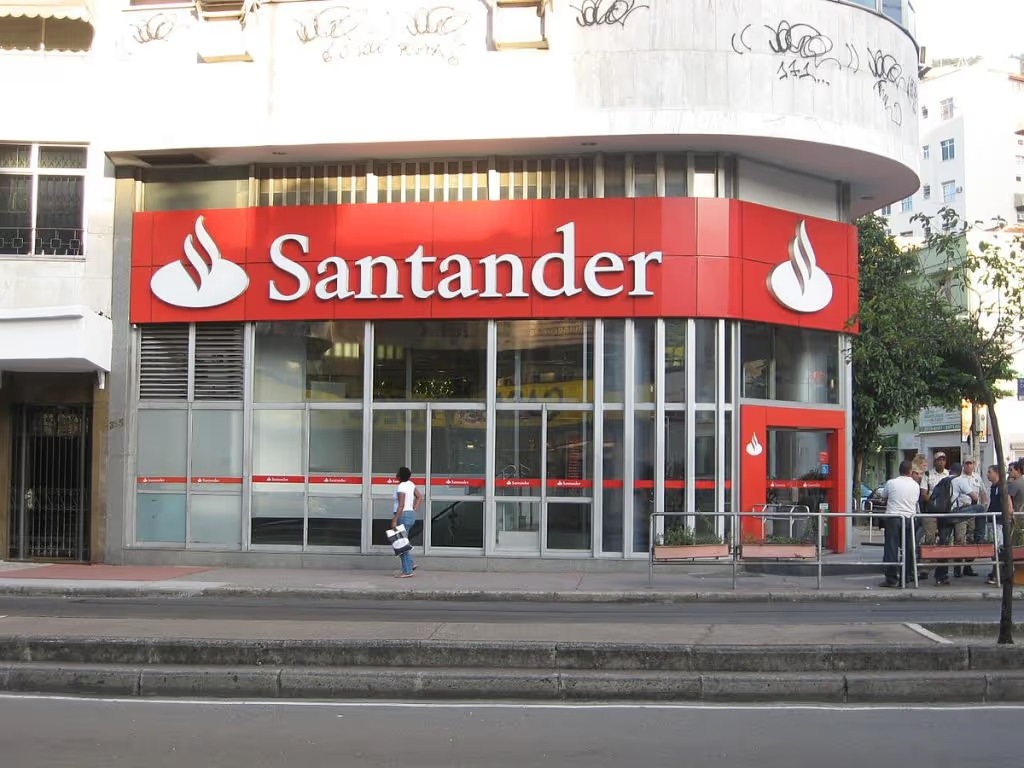
Banco Santander
Banco Santander, founded in 1857, is Spain's largest bank and one of the leading banks in the world. With revenue of €52.3 billion and a profit of €9.3 billion in 2024, it has 133 million customers and 202,251 employees. Present in 15 countries, it offers retail, investment and corporate banking.
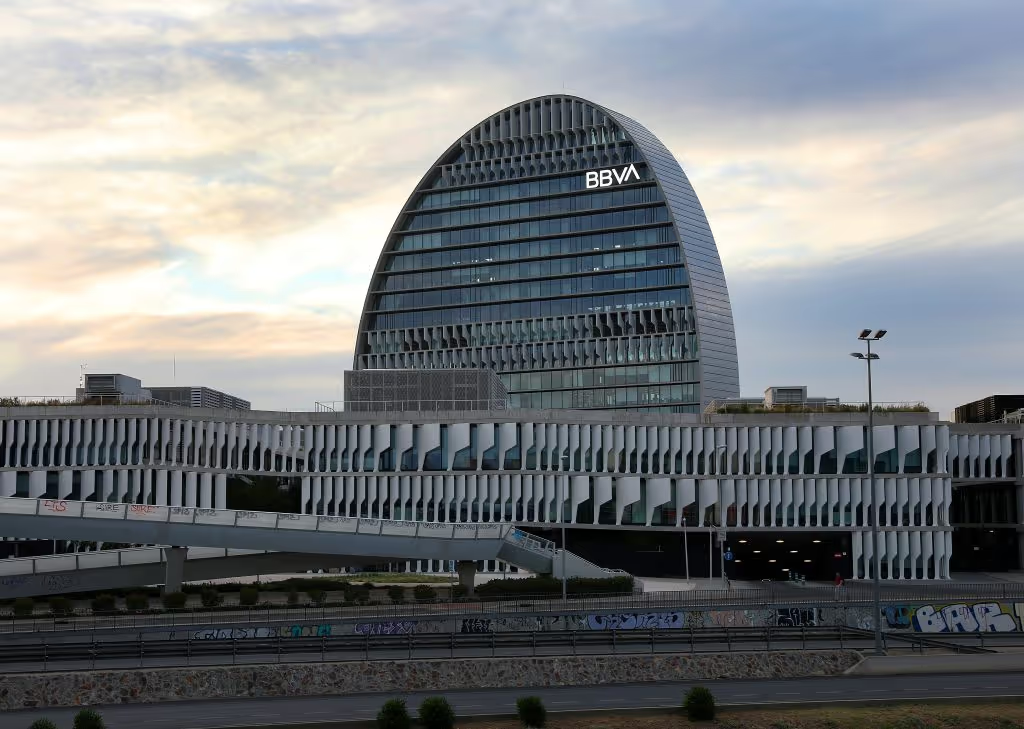
BBVA
BBVA, founded in 1857 in Bilbao, is a major Spanish bank present in 25 countries. With revenue of €23.75 billion, it serves 89.3 million customers through 6,040 branches and 115,675 employees. BBVA invests in AI, blockchain and fintech to improve the customer experience and offer accessible services at competitive rates.
CaixaBank
CaixaBank, created in 2011 from the merger of La Caixa and Criteria CaixaCorp, is one of the largest Spanish banks. With revenue of €12.92 billion, it has 15 million customers and 51,000 employees in 5,365 branches. A pioneer in digital payments, it offers innovative solutions such as biometrics and e-wallets.
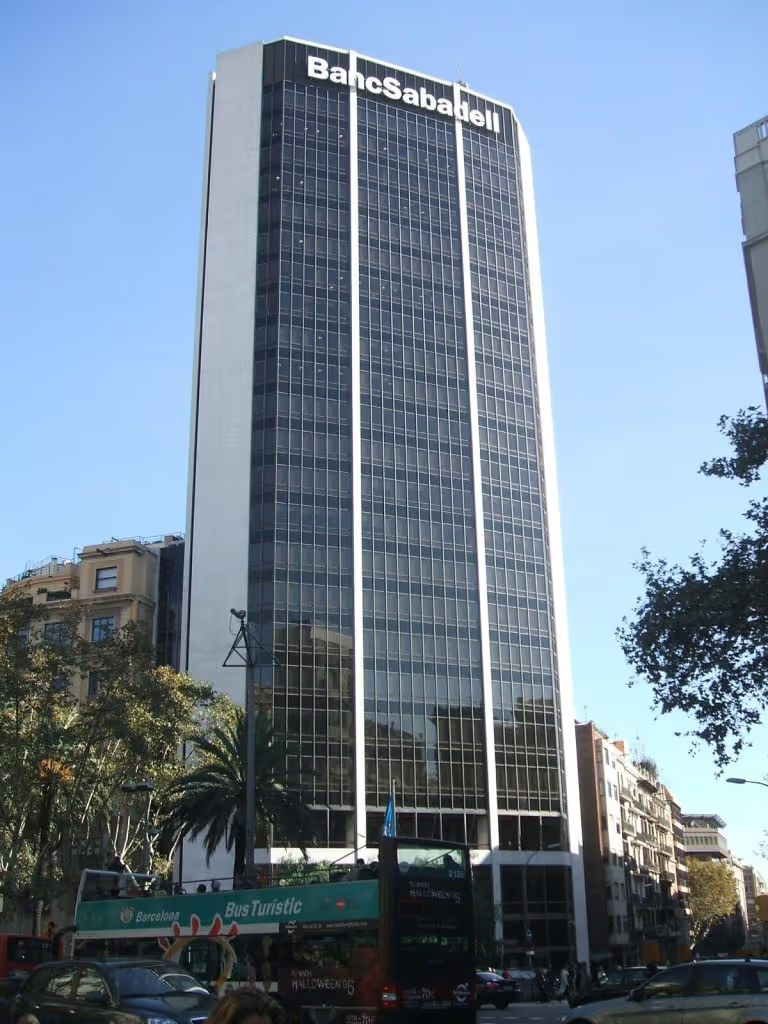
Sabadell
Banco Sabadell, founded in 1881, is Spain's sixth-largest banking group, with revenue of €4.99 billion and assets of €251 billion. With 12 million customers, 10,699 employees and 1,387 branches, it stands out for its international strategy, particularly in Spain and the United Kingdom, and for its specialist insurance and asset management services.

Bankinter
Founded in 1965, Bankinter is an innovative Spanish bank with revenue of €2,437 million. It employs 3,900 people and offers commercial banking, financing and market services. A pioneer of online banking in Spain, it attracts young, tech-savvy customers thanks to its commitment to digital transformation.
Car and transport brands
The Spanish car industry is a key pillar of the national economy, combining traditional brands with innovation in transport. From car giants to rail and public transport specialists, the industry plays a key role in Spain's economic development.
SEAT
Founded in 1950, SEAT is an iconic Spanish car brand owned by the Volkswagen Group. It stands out for its modern, affordable and greener vehicles, including electric and hybrid cars. Its headquarters are in Martorell, Catalonia, where it builds a wide range of cars. SEAT has already made more than 19 million vehicles.
Talgo
Founded in 1942, Talgo is a Spanish train maker known for its fast, energy-efficient trains. Present in countries such as Germany, the US and Finland, Talgo changed the industry with its articulated trains. Its high-performance trains run in Spain, in France and on other international networks.
CAF
Founded in 1917, CAF is a Spanish company specialising in railway equipment. It makes trains, trams, metros and buses that are sustainable and efficient. Its vehicles run in Spain, Germany, the United States and many other countries. Active internationally, it has won contracts for high-speed trains in Saudi Arabia and India.
Duro Felguera
Duro Felguera, founded in Asturias in the 19th century, is a world leader in turnkey projects for energy and industry. With 26,000 MW in conventional power, it also invests in renewables (solar, wind, green hydrogen). It also specialises in mining, oil, gas and infrastructure, and has innovative subsidiaries and workshops such as DF Calderería Pesada.
Irizar
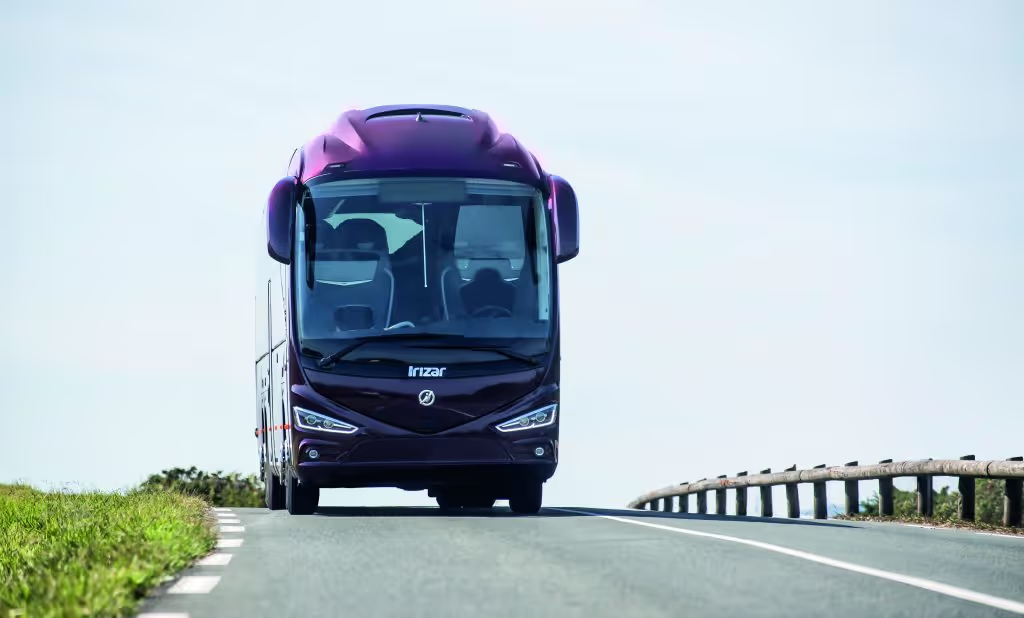
Irizar, founded in 1889, is a major player in sustainable mobility, with 7 brands, 13 factories in 5 countries and an R&D centre in Spain. Present in more than 90 countries, the group offers tailored transport solutions. Its vehicles combine safety, comfort and innovation. The group stands out for its commitment to electromobility and sustainability.
The leaders in tourism and hospitality
Tourism is essential to the Spanish economy, with well-known companies that shape the industry worldwide.

Meliá Hotels
Meliá Hotels International is a company founded in 1956 in Palma de Mallorca. It is one of the world's leading hotel groups, with more than 380 hotels in 40 countries. It is known for brands such as Gran Meliá and Sol, which combine luxury, innovation and environmental responsibility. Committed to green initiatives, Meliá makes the most of its resources while offering quality service to travellers.
NH Hotel Group
NH Hotel Group was born in 1978. It runs more than 350 hotels in 28 countries. Present in Europe and Latin America, it offers personalised services and modern workspaces through innovative technology.
Barceló
Founded in 1931, Barceló is a global hotel group with more than 250 hotels in 22 countries. Focused on popular holiday destinations, it is known for its upmarket, all-inclusive resorts, suited to families and travellers who expect real comfort. Barceló has modern facilities, especially at its resorts and spas.
Iberia
Iberia, founded in 1927, is Spain's national airline and one of the largest in Europe. A subsidiary of IAG (International Airlines Group), Iberia offers direct flights to a wide range of international destinations. As a member of the oneworld alliance, it carries millions of passengers every year.

Air Europa
Air Europa, founded in 1986, is another major Spanish airline. It is part of the Globalia group. With international destinations in Europe and Latin America, Air Europa offers innovative solutions alongside the big carriers. The company has grown thanks to its ability to offer competitive fares while keeping excellent service quality.
Construction and property companies
In Spain, construction and property are a real support for the national economy. Spanish companies in this field stand out in building homes, major infrastructure (bridges, motorways) and commercial buildings, and they remain important players internationally.
ACS (Actividades de Construcción y Servicios)
Founded in 1997, ACS is one of the largest construction companies in the world, with revenue of €39.2 billion in 2023. Based in Madrid, it delivers major infrastructure projects and has become a world leader in engineering, property and energy. In 2024, ACS reported a net profit of €605 million. To support the development of the sector, ACS created a university that bears its name.

Ferrovial
Created in 1952, Ferrovial is a world-renowned Spanish company in construction and infrastructure. With revenue of €16.7 billion, it specialises in large projects such as airports and roads. The company also excels in renewable energy, water and sustainable mobility, with a strong international presence.

Acciona
Acciona is a younger company, founded in 1997. It also stands out for its expertise in construction, infrastructure and renewable energy. Now a large group, Acciona is one of the pioneers of the energy transition, with solar and wind projects. Today, it is present in more than 30 countries.
FCC (Fomento de Construcciones y Contratas)
FCC is a group of several Spanish companies. Its registered office is in Barcelona, and the group specialises in civil engineering, building all kinds of infrastructure and waste management. Present in more than 20 countries today, FCC is betting on sustainability and international growth.
Sacyr
Founded in 1986, Sacyr is first and foremost a construction company, known for its large-scale infrastructure projects (roads, bridges, buildings). The group is also active in property development and is listed on the Ibex 35. It is present in Europe, Latin America and Asia and works in several countries.
Sport and leisure brands
Spanish sport and leisure brands cover a wide range of products, from sports equipment to performance clothing. Their influence reaches beyond Spain's borders and reflects the dynamic, active lifestyle of its people.
Joma
Founded in 1965, Joma is a sports equipment maker with a wide range of products, from shoes to clothing for football, tennis and running. The brand stands out for its excellent value for money. Present all over the world, Joma kits out athletes and professional teams.

Kelme
Created in 1963, Kelme is best known for its sports shoes, especially football boots. Today it is branching out into other sports such as basketball and running. The brand promotes green values and is active internationally, supporting many sports clubs.

BH Bikes
Since 1909, BH Bikes has been a benchmark in the world of cycling. Specialising in road, mountain and electric bikes, BH stands out for its advanced technology and the quality of its products. The company sponsors international competitions, which shows its place among the best bike makers in the world.
Munich
Munich was founded in 1939 and stands out for its sports shoes, especially for futsal and football. Very popular in Spain, it combines comfort and innovation in products for a wide audience of all ages. Its partnerships with well-known athletes and its unique style give it a strong place in the market.
Orbea
Orbea is a brand dating back to 1840, and the group is one of the innovators of Spanish cycling. Specialising in racing and mountain bikes, the brand is very present in top-level competitions, which strengthens its worldwide reputation. The company is listed in the Central Register of the Basque Government.
Energy companies
Spanish energy companies play a central role in the global energy transition. They cover several sectors, from electricity to natural gas and renewables. Their goal is to bring in sustainable solutions while meeting the world's energy needs.
Repsol
Repsol is a Spanish company created in 1987. Today it ranks first among lubricant producers in Spain. It specialises in exploration and production and in the whole process of refining oil and natural gas. The company is present on several continents, including the Americas, Africa and Russia.

Naturgy
Originally named "Gas Natural Fenosa", Naturgy is a giant in energy production and distribution. Naturgy is also a leading supplier of liquefied natural gas. It is present in about thirty countries around the world and serves 25 million customers.
Endesa
Endesa, founded in 1944, is a pillar of the electricity sector in Spain. A subsidiary of the Enel group, it operates in electricity and natural gas. The group works with and for small and large businesses, hotels and restaurants, property owners, industry and local authorities. Its approach is based on clean energy and the green transition.
Cepsa
Since 1929, Cepsa has been a global energy leader with 90 years of experience. Today it has 10,000 professionals and operates in more than 20 countries. Present in Morocco through Atlas Nord Hydrocarbures, it supplies fuels, asphalt and lubricants, and is building a network of service stations focused on quality and sustainability.
Red Eléctrica
Created in 1985, Red Eléctrica is the operator of the electricity grid in Spain. It guarantees a stable electricity supply and is committed to integrating renewable energy. The company uses advanced technologies to make energy supply more flexible and efficient, for example by supporting self-consumption and the green transition.
Cosmetics and pharmaceutical brands
Spain also excels in cosmetics and pharmaceuticals. These industries offer innovative products sold all over the world, designed for the most demanding consumers.
Puig
Created in 1914, Puig dominates the perfume and cosmetics market with brands such as Paco Rabanne and Carolina Herrera. As a world leader, Puig keeps growing, opening new offices around the world, in Paris, Miami, New York and London.

PharmaMar
Founded in 1986, PharmaMar is a pioneer in the fight against cancer using compounds from marine organisms. The company has proved the effectiveness of these products, including three antitumour medicines well known to leading scientists and approved by renowned researchers. Among the medicines PharmaMar makes and sells are Yondelis for ovarian cancer and Zepzelca for lung cancer.
Almirall
Since 1943, Almirall has been transforming dermatology care. The brand offers effective medicines to treat psoriasis, eczema and other skin conditions. Its products are sold in more than 100 countries, and the company already has 15 subsidiaries in Europe and the US. It works with partners worldwide to make its treatments accessible and safe, meeting the challenges of international markets.
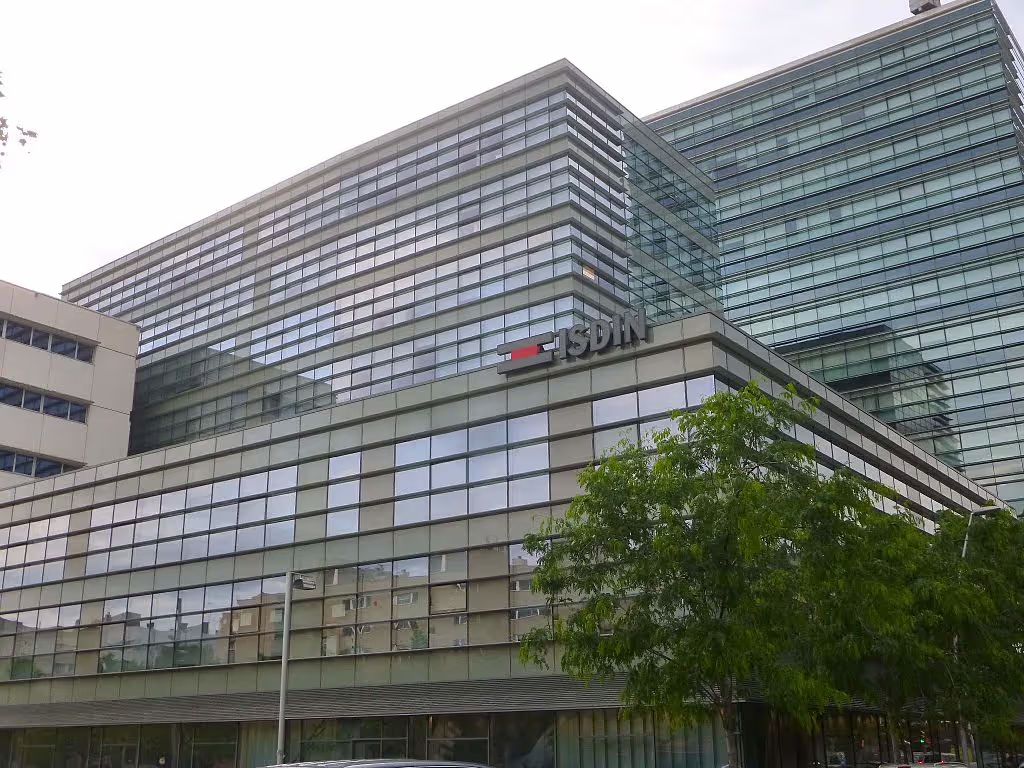
Isdin
Specialising in dermatological care, Isdin excels in sun protection and anti-ageing products. Founded in 1975, ISDIN combines innovation and sustainability to protect both skin and planet. Present in more than 50 countries, the company is actively involved in the fight against skin cancer and proudly holds B Corp certification for its positive impact.
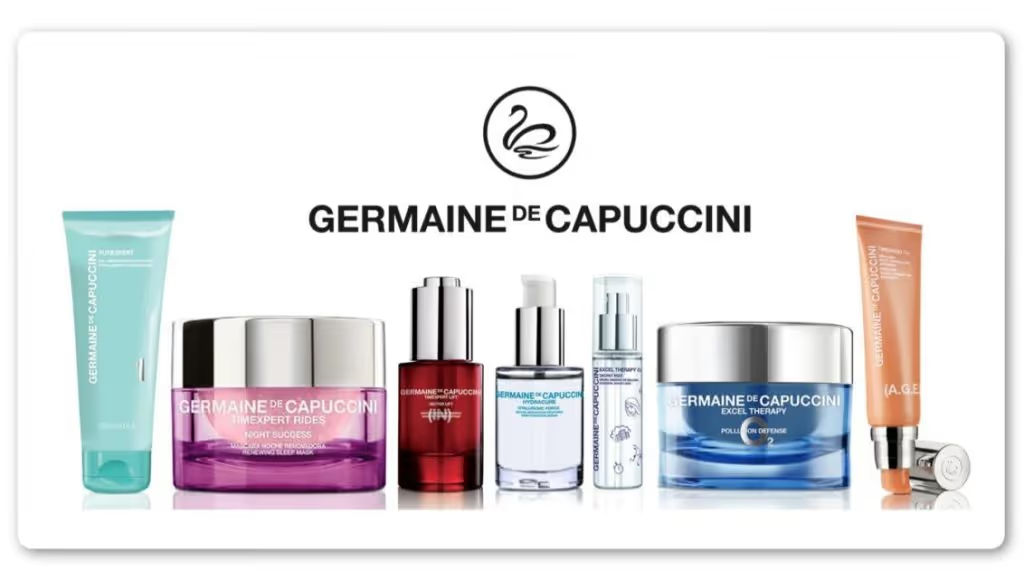
Germaine de Capuccini
Germaine de Capuccini has been a pioneering brand in professional cosmetics for 50 years. It is present in more than 80 countries. With its own R&D laboratory, one of the most advanced in Europe, the company brings together innovation, science and nature to offer highly effective treatments. Its iconic swan symbolises elegance, purity and a commitment to beauty.
Food industry companies
Spain is known for the quality of its traditional products such as olive oil and wine. Spanish food companies are thriving, and most of them are present all over the world.
Ebro Foods
Ebro Foods is the leader of the food industry in Spain. This large company is the world number one in rice and premium pasta. Ebro Foods follows a strategy built on internationalisation, innovation and sustainable growth. To keep its place in the world rankings, it favours a decentralised structure to offer high value-added food products.
Campofrío
Campofrío Food Group is the Spanish brand known for its meat products (ham, salami, cold cuts, sausages, pâtés, etc.). It belongs to the Mexican group Sigma Alimentos. Founded in 1952 in Burgos, the company is now present in several European countries under brands such as Campofrío, Aoste and Oscar Mayer. In 2011, the group generated revenue of €1.83 billion and employed 11,800 people.

Pescanova
Pescanova is a powerful player in fishing. It offers frozen and fresh products, as well as various recipes on its website. The company is committed to exemplary environmental sustainability and contributes to the SDGs. To help protect aquatic ecosystems, it is also committed to managing natural resources responsibly.
Osborne
Founded in 1772, Osborne is an iconic Spanish family business with more than 250 years of history. Known for its premium spirits and wines, it now exports to more than 50 countries. The group combines tradition and innovation, blending centuries-old know-how with modern techniques to offer outstanding products enjoyed around the world.
González Byass
Founded in 1835 by Manuel María González Ángel, who started out as a sherry shipper in Jerez de la Frontera, González Byass is one of the great names in Spanish sherry. Its best-known wine is Tío Pepe, a fino sherry. The name also recalls Robert Blake Byass, its English agent, who later joined the business. The company is still run by the González family.
Start-ups and emerging brands
In recent years, Spain has become fertile ground for new start-ups. The country, especially Barcelona and Madrid, attracts entrepreneurs from all over the world. Here are some Spanish start-ups making their mark in various sectors.
Glovo
Founded in Barcelona in 2015, Glovo is now a major player in home food delivery worldwide. The company has been a subsidiary of the German group Delivery Hero since 2022 and is present in 25 countries, including Spain, Italy and Morocco. Innovative and ambitious, Glovo keeps growing, combining business success with social challenges.

Cabify
Cabify, created in Madrid in 2011, is a ride-hailing service built on sustainability. The platform has a fleet of eco-friendly vehicles. The vehicles are available for hire, and today it already has 42 million users served by 1.2 million drivers. Its success extends across Spain and several Latin American countries.

Wallapop
Wallapop is the leading platform for buying and selling second-hand items and services in Spain. It is available as a mobile app or a website. It lets users post free listings for all kinds of goods: clothes, cars, electronics, furniture and even services. With its millions of users, Wallapop offers a wide choice and chances to save money, or to earn some by selling unused items.

Badi
Badi is a Barcelona start-up founded in 2015. Its goal is to make it easier to find flatmates through an intuitive app. The platform uses algorithms to match users according to their preferences. Badi is changing shared housing and meets the needs of large European cities.
Cooltra
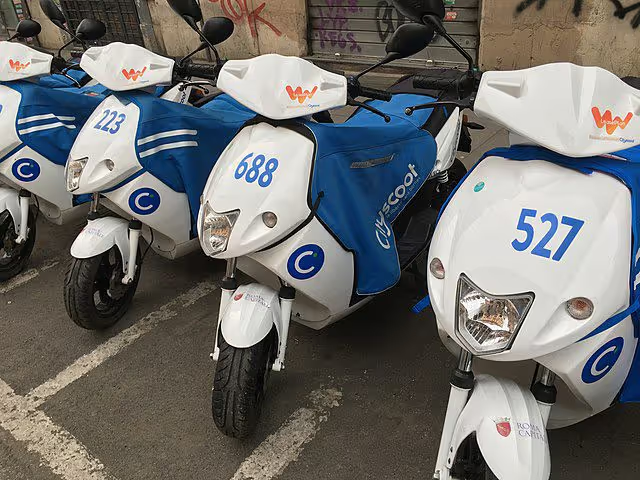
Cooltra is a platform launched in 2016 that offers electric scooter sharing. The app lets you rent a vehicle in a few clicks. Present in more than 60 cities, it offers sustainable, affordable and flexible mobility for individuals and businesses.
Conclusion
Spanish companies are very diverse and play a large part in the country's development. From historic giants to innovative start-ups, they keep making their mark on the world economy. All these brands shine thanks to three main strengths: their capacity for innovation, their ability to adapt to what consumers want, and their international expansion. Our ranking covers every sector, from fashion to technology and mobility. All of them have earned a place on the world stage.
These companies have a bright future ahead. Their determination to take on challenges and competition gives them a solid base for future growth. They know how to reinvent themselves and invest in strategic sectors. Spanish companies will surely keep growing, diversifying and winning new markets. All this will make Spain a hub of leadership and creativity, if it is not one already.
Thomas Rouer is the founder of Alveo Search and the CEO of the Alveo group. Based in Spain for almost ten years, he develops property services designed for the specific needs of foreign buyers.
His expertise covers every aspect of buying property in Spain: understanding the market, searching for and selecting properties, negotiation, financing, paperwork, tax and securing the purchase process.


Our resources for buying in Spain