Français
 English
Rent to own in Spain (Alquiler con opción a compra)

- Context: in 2020, after Covid-19, the Bank of Spain pushed for mortgages to be refused to buyers without enough savings. On 20 April 2020, it wrote to valuation associations about the difficulty of setting a correct market price and recommended alternative valuation techniques.
- Advantages for the tenant: they live in the home before buying it and can let the period run out without exercising the option. The maximum term is five years, which leaves time to find a mortgage, and the sale price is set in advance.
- Drawbacks for the owner: this type of contract does not guarantee the sale, ties up the property for the agreed period and reduces the chances of selling to other interested buyers.
- Tax: the tenant pays ITP on the option premium, or on 5% of the sale price if the premium is lower (renting a permanent home has been exempt from ITP since 2019). If the sale goes ahead, ITP applies again to the full price. A new build or commercial premises is subject to VAT.
- Key point: the formula can help a sale go through, but its tax treatment is not favourable and adds up at each stage.
Getting a mortgage in Spain without enough savings is difficult: in 2020, after Covid-19, the Bank of Spain pushed for loans to be refused to buyers in that situation. As a result, rent to own can be a good alternative to keep property sales moving. Aware that Covid-19 would bring property transactions to a halt, the Bank of Spain sent a letter on 20 April 2020 to the country's main valuation associations. In it, it warned of the difficulty of setting a correct market price because of the state of emergency and the possible fall in prices of homes in the following months. In the letter, it recommended that valuers use alternative valuation techniques to the traditional comparison method.

The advantages of rent to own
One of the main advantages for the tenant is being able to live in the home before buying it and so see whether it meets their expectations. If the tenant is no longer interested, they can simply let the period run out without buying. Be aware, however, that the maximum period is five years of renting. In addition, during the period granted to exercise the option, the future buyer has enough time to look for a mortgage if they need one. Another advantage for the tenant is that the price of the future sale is set in advance, so if prices rise over the five years, the future buyer will not see the purchase price go up.
The drawbacks of rent to own
One drawback for the owner is that, if their priority is to sell the property, this type of contract does not guarantee the sale. On top of that, keeping the property on offer for the agreed period can be a handicap, as the owner's chances of selling to other interested buyers are reduced. The longer minimum term for residential leases, approved in the latest reform, also affects the obligations attached to the property.
The tax treatment of rent to own is not favourable
Tax on the rent
When a property is rented, it is the tenant who pays the transfer tax (ITP), calculated by applying a legal rate to the agreed rent. However, since March 2019, renting a home as a stable, permanent residence has been exempt from ITP (Royal Decree-law 7/2019). If an office or commercial premises is rented, the rent is subject to VAT. The landlord, for their part, payspersonal income tax on the rental income they receive.
Tax on the purchase option
Rent to own is subject to ITP, which is paid by the tenant who holds the option. The tax base is the amount paid for the option right (the premium), or 5% of the sale price if the premium paid is lower. If the property is finally transferred after the option is exercised, the buyer pays ITP again on the full price. For a new build, the option right and the later sale are subject to VAT. The owner pays tax on the capital gain through personal income tax (or non-resident income tax if they do not live in Spain).
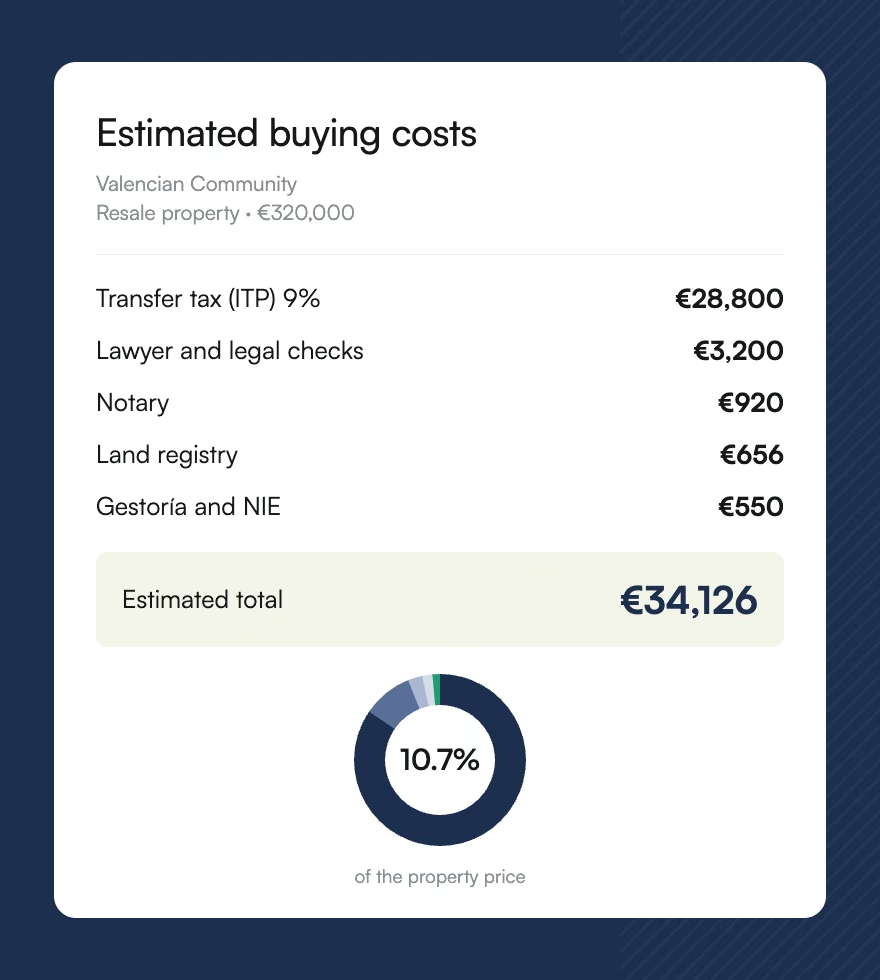
If the sale price is adjusted for the premium and the rent already paid, these amounts lower the transfer value used to calculate the gain. Source: Idealista News. To estimate your buying costs, use our calculator: Buying costs calculator.
Thomas Rouer is the founder of Alveo Search and the CEO of the Alveo group. Based in Spain for almost ten years, he develops property services designed for the specific needs of foreign buyers.
His expertise covers every aspect of buying property in Spain: understanding the market, searching for and selecting properties, negotiation, financing, paperwork, tax and securing the purchase process.


Our resources for buying in Spain