Français
 English
The 10 best universities in Spain

- Method: the ranking picks ten universities, based on more than 30 international rankings that include over 20 Spanish universities.
- Top of the list: the University of Barcelona, which dates back to 1450 and was officially inaugurated in 1871, is presented as one of the oldest and most respected universities in the country, with faculties of biology, chemistry and medicine.
- Madrid: the Complutense, founded in 1499, has about 80,000 students, including more than 7,000 from abroad, 80 bachelor's degrees and 230 master's degrees, on its Moncloa and Somosaguas campuses. The Autonomous University of Madrid, founded in 1968, has 69 departments.
- Catalonia: the Autonomous University of Barcelona, founded in 1968, is about 20 kilometres north of the city and offers around a hundred courses and about 70 doctoral programmes; Pompeu Fabra dates from 1990.
- Other universities: Valencia (1499), Salamanca (1218, the oldest in Spain), Granada (1531), Seville (1505) and the Basque Country (1980), bilingual in Spanish and Basque.
- Key point: choose based on location, reputation, research, language of teaching and international programmes; international students should also check scholarships and support services.
Spain is one of the most attractive tourist destinations in the world. With its pleasant climate all year round, the country also offers many advantages that draw students from all over the world. The Spanish university system is known for its quality, which is why many Spanish universities rank well in global rankings.
We identified more than 30 rankings of the best universities in the world, and found more than 20 Spanish institutions in them. These universities have a special reputation for several reasons: their history, their teaching methods and, above all, their excellence in various fields.
If you dream of living in Spain, or are thinking of studying in this very cosmopolitan country, we have selected the 10 best universities in Spain for you. Our ranking is based mainly on each institution's standards of excellence, and we took into account every aspect that affects its quality.
The University of Barcelona (UB): excellence and tradition
History and prestige
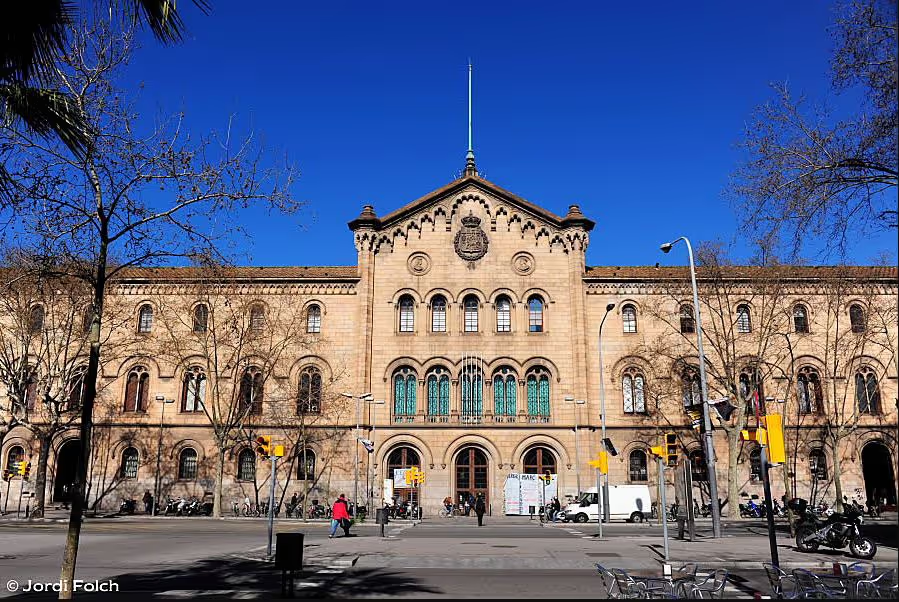
Number 1 in our ranking is the University of Barcelona (UB). Dating back to 1450, it was officially inaugurated in 1871. Thanks to its long history, it remains to this day the most prestigious university centre in Spain and one of the oldest in Europe. While the UB has kept traces of the past in its education system, it has also adapted to the changes of each era. Prominent families looking for a prestigious institution have chosen it for their children, and its alumni include well-known politicians and renowned researchers.
Areas of excellence


The UB offers a wide range of subjects, such as law, medicine and the humanities. It has several specialist faculties in biology, chemistry and medicine, and it is in these fields that its research has done most for its reputation. At the UB, you can also study psychology, economics, political science and the arts.
Student life and campus
The main building has a beautiful rustic staircase leading up to the paraninfo, the ceremonial hall. Known as the Saló de Graus, it attracts many curious visitors. The university is carefully maintained and impeccably laid out, so students can enjoy a quiet setting decorated with fruit trees and fountains. Behind the building is another haven of peace, the Ferran Soldevila garden. The main campus is in the heart of the city, and the other campuses are spread across Barcelona, such as Diagonal, Mundet and Bellvitge. Each campus has libraries, sports facilities and outdoor spaces for quiet study.
International programmes
UB students can earn double degrees and take courses in several languages, including English.
The university has also set up schemes to encourage student mobility, so that students can continue their studies abroad if they wish, or do an internship in other countries.
The Complutense University of Madrid (UCM)
Spain's largest university
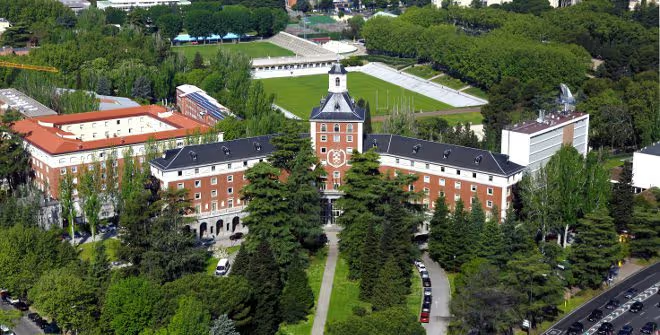
The Complutense University of Madrid (UCM) is not only the largest university in Spain but also one of the largest and oldest in Europe. Founded in 1499, it now has an academic community of about 80,000 students, including more than 7,000 from abroad. Its influence in Spain and worldwide comes from its reputation for training professionals in a wide range of disciplines, and from its role as a major research centre.
Academic strengths
The UCM's first asset is its location in the city centre. Second, it was the first academic institution authorised to award doctorates. Today it stands out in the humanities, social sciences, literature, law and health sciences. Of Spain's eight Nobel laureates, seven studied at the UCM. Its faculty of medicine, law school and faculty of social sciences are very often ranked among the best in Spain. The university is a major player in scientific and technological research, with joint projects with universities and companies around the world.
Alongside its traditional strengths, the UCM is developing innovative programmes in fields such as artificial intelligence, language teaching and biotechnology. This keeps it among the best universities in Europe, at the forefront of higher education and research.
Infrastructure and research
The university has extensive modern facilities, including libraries, laboratories and high-quality workspaces. Its main building is in the centre of Madrid, and the UCM has two campuses, Moncloa and Somosaguas. The Complutense also gives its students access to renowned research centres.
The UCM's faculties of social sciences and law are particularly known for their contributions to public policy and economics. These departments work closely with international institutions, which strengthens the university's academic impact.
Opportunities for international students
The UCM is also a key player in the internationalisation of higher education in Spain. With a very wide range of programmes, it offers 80 bachelor's degrees and 230 master's degrees, and a choice of doctoral programmes. It runs several exchange programmes with prestigious universities, allowing international students to take courses in Spain and gain a unique academic experience. The UCM organises seminars, conferences and international events where students can connect with researchers and professionals from around the world.
The Autonomous University of Madrid (UAM)

International recognition
The Autonomous University of Madrid (UAM) is widely recognised for its academic excellence and high-level research, in Spain and abroad. Founded in 1968, it quickly became one of the best universities in the country, attracting students and researchers from all over the world. Thanks to its commitment to academic quality and its modern approach to teaching, the UAM regularly appears in global university rankings. Its multidisciplinary, internationally minded education has built its reputation in major fields such as science, philosophy, law and economics.
Leading departments
The UAM is particularly known for its 69 departments, including biology and life sciences, one of the best in Spain. Also known as the Campus of Excellence, the UAM has several faculties, including the faculty of humanities and social sciences, its main strength, whose varied programmes attract many international students. The university also stands out in linguistics, environmental sciences and political science, and regularly ranks among the top Spanish universities in these subjects thanks to the quality of its teaching and research.
The UAM has also developed innovative programmes in social sciences and information technology, building links with industry to encourage exchanges and applied research. This collaboration with local and international companies gives students unique career opportunities.
Academic partnerships
The UAM has built strong links with universities and academic institutions around the world. It belongs to several international networks that allow its students and researchers to take part in global projects. These partnerships offer exchanges and joint research with leading institutions, especially in the humanities, technology and social sciences.
UAM students also have access to a wide range of double degree programmes, which combine their studies with international experience and prepare them for a global career. For example, the university works with Aix-Marseille University in the CIVIS project, which brings together several major universities.
Research and innovation
The Autonomous University of Madrid proudly proclaims its motto: Quid Ultra Faciam, a Latin phrase meaning “What more can I do?”. The institution places a strong emphasis on research and innovation. It is at the forefront of scientific research, with projects funded by European and international bodies. The UAM is particularly known for its work in biotechnology, artificial intelligence, health and social sciences.
The UAM's laboratories and research centres are dynamic places where students can take an active part in innovative research projects. This approach gives the university a key role in developing new technologies and solutions to global challenges.
The Autonomous University of Barcelona (UAB)
Campus and location
The Autonomous University of Barcelona (UAB), founded in 1968, is about 20 kilometres north of Barcelona, in a peaceful natural setting where students can enjoy studying, even outdoors. This public university has a campus known for its modern facilities. Being close to the city, it lets students enjoy Barcelona's vibrant culture while studying somewhere calm.
The campus is a real hub of university life, with collaborative workspaces, sports facilities, cafés and green spaces. All this creates an atmosphere that suits both study and relaxation.
Academic strengths
The UAB is known for its excellence in several fields, notably social sciences, humanities, law, biology and medicine. Its faculty of social sciences is known for its law, economics and political science programmes, which attract students from all over Europe. In all, it offers around a hundred courses and about 70 doctoral programmes. Its medical school is also highly rated, one of the best in the world, and offers high-level training, with the chance to take part in research projects in fields such as biotechnology and public health. The UAB is also diversifying with innovative courses, particularly in emerging fields such as innovation management, information technology and biotechnology.
After their first year, UAB students can choose between several destinations: the University of Louvain (Belgium) for the second year and, for the third, Coventry University (UK), London South Bank (UK), Worcester (UK), Dublin Business School (Ireland), Aachen (Germany) or Rennes SB (France).
Multilingual programmes
The UAB is a key player in the internationalisation of higher education in Spain, with multilingual programmes, mainly in English and Spanish. It offers bachelor's, master's and doctoral programmes in many subjects, attracting international students looking for a stimulating academic environment. These programmes help students build international-level skills while learning in a multicultural setting.
Student life
Student life at the UAB is lively and varied. The university offers a wide range of cultural and social activities, from student clubs to sports and cultural events, so students can get involved in university life beyond their studies.
Pompeu Fabra University (UPF)
Specialisation and excellence
Founded in 1990, the public Pompeu Fabra University (UPF) quickly became one of the most prestigious institutions in Spain, thanks in particular to its modern educational model and cutting-edge research. It is named after Pompeu Fabra, the famous grammarian who created the modern spelling rules of the Catalan language. It now has more than 15,000 students and 2,100 staff. Its teaching favours an interdisciplinary approach and the use of new technologies, which is why the UPF excels in fields as varied as economics, social sciences, communication and the humanities.
The UPF has grown fast and now ranks among the best universities in Europe. It is in the world's top 200 universities in the QS ranking, and it also has a strong reputation in the humanities and social sciences. Its academic excellence is widely recognised internationally, making it a top choice for students looking for a high-quality degree.
Innovative teaching
Pompeu Fabra University stands out for its dynamic, student-centred teaching and its use of educational technology. Many UPF programmes are taught in English, and the university has strong partnerships with academic institutions and companies around the world, which lets it offer courses suited to the international job market. Students are also encouraged to develop practical skills and take an active part in interdisciplinary projects.
UPF programmes focus on research and technological innovation, so students gain skills they can apply directly at work. UPF graduates benefit from a strong alumni network and from industry partnerships that help them launch international careers.
International relations
The UPF has many partnerships with leading universities worldwide, giving students access to academic exchanges, internships and international collaborations. The university is also involved in international research projects, notably in health, information technology and social sciences.
This global network of academic and industry partners opens students up to the world and gives them a wide range of career and personal development opportunities. This makes the UPF particularly attractive for those who want to study in an international environment.
Career prospects
Pompeu Fabra University helps its students prepare for the job market through its many partnerships with local and international companies. The university is also very close to many of Barcelona's business and financial centres, and Barcelona, one of Europe's leading cities for business and technology, opens up career opportunities in key sectors such as finance, communication, law and technology.
The university is known for producing graduates who are ready to enter the job market quickly, and many alumni hold senior positions in prestigious companies worldwide.
The University of Valencia (UV)
History and tradition
The University of Valencia (UV), formerly known as the Estudi General, was founded in 1499 and is one of the oldest in Spain. It is recognised as a centre of academic and research excellence. Its long history and development show the strength of its foundations and its commitment to higher education. The university now has nearly 6,000 staff, including 4,000 teaching staff.
The UV has adapted to changes in the academic world and maintained a reputation for high-quality programmes. Today it is a leading university in Spain and abroad. Its historical and academic heritage is a major asset for its students.
Fields of study
The University of Valencia offers a wide range of academic programmes in many fields. It is particularly known for its courses in science, arts, literature, advanced technology and social sciences. The UV is a benchmark in Spain for its programmes in biology, chemistry, physics, environmental sciences and engineering.
Alongside its traditional courses, the UV also offers innovative programmes in emerging fields such as artificial intelligence, information technology and data management. The university has modernised while staying true to its roots, offering varied courses suited to students' needs today.
Modern facilities
The UV has modern facilities that meet the needs of high-quality teaching. Its four main campuses (Blasco Ibáñez, Els Tarongers, Burjassot-Paterna and Onteniente) are equipped with advanced technology and offer students many resources, from libraries and laboratories to research centres and collaborative workspaces.
Students also have many spaces dedicated to student life, such as sports halls, relaxation areas and university restaurants, creating an environment that supports both study and personal growth.
Links with industry
The University of Valencia is one of the 4 Spanish institutions that are members of the R&D&I (Research, Development & Innovation). It has strong ties with many local and international companies and institutions, giving its students access to internships, applied research projects and professional collaborations. These partnerships boost the employability of UV graduates, who build solid links with the world of work from the start of their studies.
The University of Salamanca (USAL)
Spain's oldest university
Founded in 1218, the University of Salamanca (USAL) is officially the oldest university in Spain and one of the oldest in Europe. Its long and rich history gives it a central place in Europe's academic heritage. As a historic institution, it has played an important role in preserving culture and knowledge over the centuries.
The University of Salamanca is famous for having been Spain's intellectual centre during the Renaissance, linked to figures such as Christopher Columbus and the theologian Francisco de Vitoria, who taught there. This heritage continues to feed the USAL's reputation, attracting students from around the world who want to study at an institution that is both traditional and modern.
Cultural heritage
The University of Salamanca is a symbol of Spanish higher education. Its historic campus, a UNESCO World Heritage Site, is a place where history meets academic innovation. The university's architectural heritage, with landmark buildings such as the Old University and its cloister, is living proof of the institution's greatness.
The city of Salamanca itself, with its vibrant student atmosphere, adds to the university's appeal. It is a major cultural and academic centre, offering students an enriching setting where tradition and modernity meet.
Programmes
The USAL offers a varied range of programmes in the humanities, law, medicine, social sciences, philosophy and education. It is known for its courses in linguistics and literature, which attract international students who want to deepen their knowledge of the Spanish language and Hispanic culture.
It also offers many master's and doctoral programmes in various fields, with a strong focus on research and innovation. Students benefit from high-quality teaching by renowned academics and the chance to join applied research projects.
International appeal
The University of Salamanca is highly attractive worldwide. Every year it welcomes a large number of international students, a sign of its international standing. Its Spanish-language programmes and exchange opportunities with partner universities attract students from many countries.
The university has ties with higher education institutions around the world, which makes academic mobility easier. The USAL also takes part in international research projects that keep it at the forefront of innovation in many fields.
The University of Granada (UGR)
Location
The University of Granada (UGR), founded in 1531, is in one of Andalusia's most iconic cities, in southern Spain. Its location is very strategic, close to both the Mediterranean and the Sierra Nevada mountains. The UGR attracts students from 110 different countries with its unique setting and pleasant climate, and it now has 56,000 local and international students. Its location also offers full immersion in Andalusian culture, along with a wide range of cultural, sports and leisure activities.
Granada itself is a busy tourist centre, famous for the Alhambra, an architectural gem, and for its friendly atmosphere and lively student scene. The UGR also benefits from access to European transport networks, making travel easy for international students.
Courses on offer
The UGR was selected in the first call for European University Alliances and became coordinator of the Arqus Alliance. It is a multidisciplinary university with a wide range of programmes in fields as varied as the humanities, social sciences, health sciences, natural sciences, engineering, economics and management. It is particularly strong in biology, medicine and technology, where it has an excellent reputation.
It also offers master's and doctoral programmes in specialist disciplines, and its courses in languages and Hispanic studies are very popular with international students. The UGR also stands out for its many international exchange programmes, which let its students gain experience abroad while continuing their studies.
Research and development
The UGR is a centre of research excellence. It is one of the leading Spanish institutions in world rankings for research in health sciences and information technology. The university invests heavily in innovation, and its researchers work with many international companies and institutions. It is currently involved in more than 60 cooperation projects around the world.
The UGR has several research centres specialising in fields such as artificial intelligence, biotechnology and neuroscience. This culture of innovation and research gives students a stimulating learning environment and direct exposure to the latest scientific advances.
Student mobility
The University of Granada places great importance on student mobility and has many partnerships with universities worldwide. It takes part in the Erasmus programme, so its students can spend semesters abroad at partner institutions, and it has signed agreements with 1,000 institutions around the world. The UGR also organises events, conferences and seminars where students can connect with professionals and researchers from different sectors.
The University of Seville (US)
History and architecture
The University of Seville (US) was founded in 1505 and is one of Spain's leading academic institutions. It stands out for its historic and architectural heritage, with remarkable buildings such as the former Tabacalera, a former tobacco factory turned university centre. The US's architecture blends modern and classical elements, reflecting the city's rich history while meeting students' needs today.
Seville, the capital of Andalusia, is a dynamic city that combines tradition and innovation. The university contributes greatly to the city's intellectual life and offers students a pleasant, culturally rich setting. It has a strong impact on local cultural life, with university activities woven into the city's social life.
Courses offered
The University of Seville is a public institution. It offers a varied range of courses in many fields, including social sciences, humanities, law, economics, health sciences, engineering, arts and biotechnology. It is particularly known for its programmes in law, engineering and the arts, which attract students from around the world.
There are also many master's and doctoral programmes, covering fields such as public administration, architecture, political science and medicine. The university also stands out for the quality of its teaching and for an environment that supports research and innovation.
Innovation and technology
The University of Seville stands out for its innovative approach to higher education. It is particularly active in applied research, especially in technology fields such as nanotechnology, robotics and artificial intelligence. It works with international companies and research centres to foster innovation and knowledge transfer to industry.
The US also focuses on student entrepreneurship, with dedicated programmes that encourage students to develop their own projects. The aim is to prepare them to succeed in an increasingly competitive and technological world.
Cultural life
Cultural life at the University of Seville is rich. All year round, the university organises events, festivals, conferences and cultural activities that let students take an active part in university and local life. Being close to traditional events such as the Feria de Abril or Semana Santa (Holy Week) helps students settle into local culture while enriching their university experience.
The University of Seville is also well equipped with cultural facilities, including theatres, art galleries and spaces for all kinds of artistic events. Seville's cultural richness adds to the academic and social experience the university offers.
The University of the Basque Country (UPV/EHU)
Regional features
The University of the Basque Country (UPV/EHU) reflects the uniqueness of the Basque region, both in its academic approach and in its cultural values. Founded in 1980, it is a pillar of higher education in the Basque Country. It stands out for being bilingual, with programmes in Spanish and Basque, which makes for an enriching academic experience for local and international students.
The Basque Country, in northern Spain, is a dynamic, innovative region known for its developed industry and rich culture. The UPV/EHU is fully part of this, promoting innovation, applied research and collaboration with local companies while offering high-quality teaching in many fields. Today it receives public funding.
Academic excellence
The UPV/EHU is a leading research university, particularly known for its programmes in engineering, social sciences, health and humanities. It is also involved in basic and applied research, with projects on subjects as varied as the environment, new technologies and social sciences.
The university has partnerships with renowned academic institutions, giving its students access to international opportunities in their field. It also offers master's and doctoral programmes in innovative disciplines, and its commitment to student mobility attracts a growing number of international students.
Applied research
The UPV/EHU is very active in applied research, especially in technology and industry. It works with local and international companies to transfer technology and innovation to industry, and it has several specialist research centres, notably in energy, biotechnology and engineering.
The UPV/EHU also encourages students to take part in research projects, so they can work on real problems and develop practical skills for their future careers.
Employment prospects
The university's graduates are highly employable thanks to its strong links with industry and local companies. The Basque Country is an economically prosperous region, home to leading companies in sectors such as aeronautics, automotive, technology and energy, and the UPV/EHU prepares its students to join these industries with courses matched to the needs of the job market.
The university also works closely with large companies to offer internships and job opportunities, which helps students find work after graduating.
Conclusion
Spanish universities are a cornerstone of higher education across Europe. The institutions in our top 10, such as the University of Barcelona and the University of the Basque Country, stand out for their regional features, their areas of excellence and their contributions to research and innovation. From the humanities to engineering and social sciences, Spain offers a wide variety of academic opportunities, backed by modern facilities and partnerships around the world.
The strengths of Spain's universities
Among Spain's top universities, the University of Barcelona and the Complutense University of Madrid stand out for their prestige and impact, attracting students from all over the world. The Autonomous University of Madrid and Pompeu Fabra University have built a strong reputation for research and innovation. Other institutions, such as the University of Seville and the University of the Basque Country, also add real value, with a particular focus on links with industry and applied research.
How do you choose a university in Spain?
To choose a university in Spain, consider several criteria: location, academic reputation, research opportunities, language of teaching and international programmes. It is essential to understand your own academic and career goals to pick the institution that best meets your expectations. International students should also look into scholarships, support services and student life.
The outlook for Spanish universities
Spanish universities keep evolving to meet the challenges of the modern world, especially in technology and innovation. Through research, international programmes and partnerships with companies, they offer their students very good career prospects. By choosing to study in Spain, you get a high-quality education and join a dynamic of growth and opportunity, in a fun and fulfilling environment.
Thomas Rouer is the founder of Alveo Search and the CEO of the Alveo group. Based in Spain for almost ten years, he develops property services designed for the specific needs of foreign buyers.
His expertise covers every aspect of buying property in Spain: understanding the market, searching for and selecting properties, negotiation, financing, paperwork, tax and securing the purchase process.


Our resources for buying in Spain