Français
 English
Discover Jávea: sights, food and where to stay

- Location: Jávea lies in the north of the Costa Blanca, between the capes of La Nau and Sant Antoni, in the Marina Alta (Alicante). It has 20 kilometres of coastline, from Cova Tallá to Cala de la Granadella, and is known for its whitewashed houses.
- Coastline: besides Arenal beach, there are the coves of Granadella, Portichol and La Sardinera, good for diving. The Route of the Viewpoints, which you can drive, lines the coast with signposted viewpoints that have information panels.
- Nature and family: the Montgó natural park rises to over 750 m. There are also the Port-Calablanca cycle routes, boat trips in the Cabo de San Antonio reserve and kayaking to Portitxol island. Ibiza is about 90 km away.
- Getting there: 111 km from Valencia, about 1 hour 15 minutes on the AP-7, exit 62; otherwise train to Gandía, then an Alsa bus.
- Key point: coves, the old town and the inland countryside offer different things to do depending on the season.
Jávea is a small seaside town in the north of the Costa Blanca, between the capes of La Nau and Sant Antoni, in the Marina Alta area of Alicante. It has 20 kilometres of coastline, from Cova Tallá to Cala de la Granadella. Today, Jávea's most striking feature is its whitewashed houses.
What to see in Jávea
You may know Jávea's most popular beach: Arenal beach. But Jávea has much more to offer along its 20 kilometres of coastline. You will find small beaches surrounded by pine trees, ideal for diving, such as Granadella, as well as small coves like Portichol and La Sardinera.
One of the main natural attractions of the Jávea coast is its exceptional panoramic views.
The Route of the Viewpoints of Xàbia takes you to special spots on the Mediterranean. Nature has shaped a landscape here that captivates visitors. The viewpoints are signposted from the road and each has an information panel, so they are very easy to find.
You can also reach them all by car. A perfect plan if you don't know what to see in Jávea in one day!
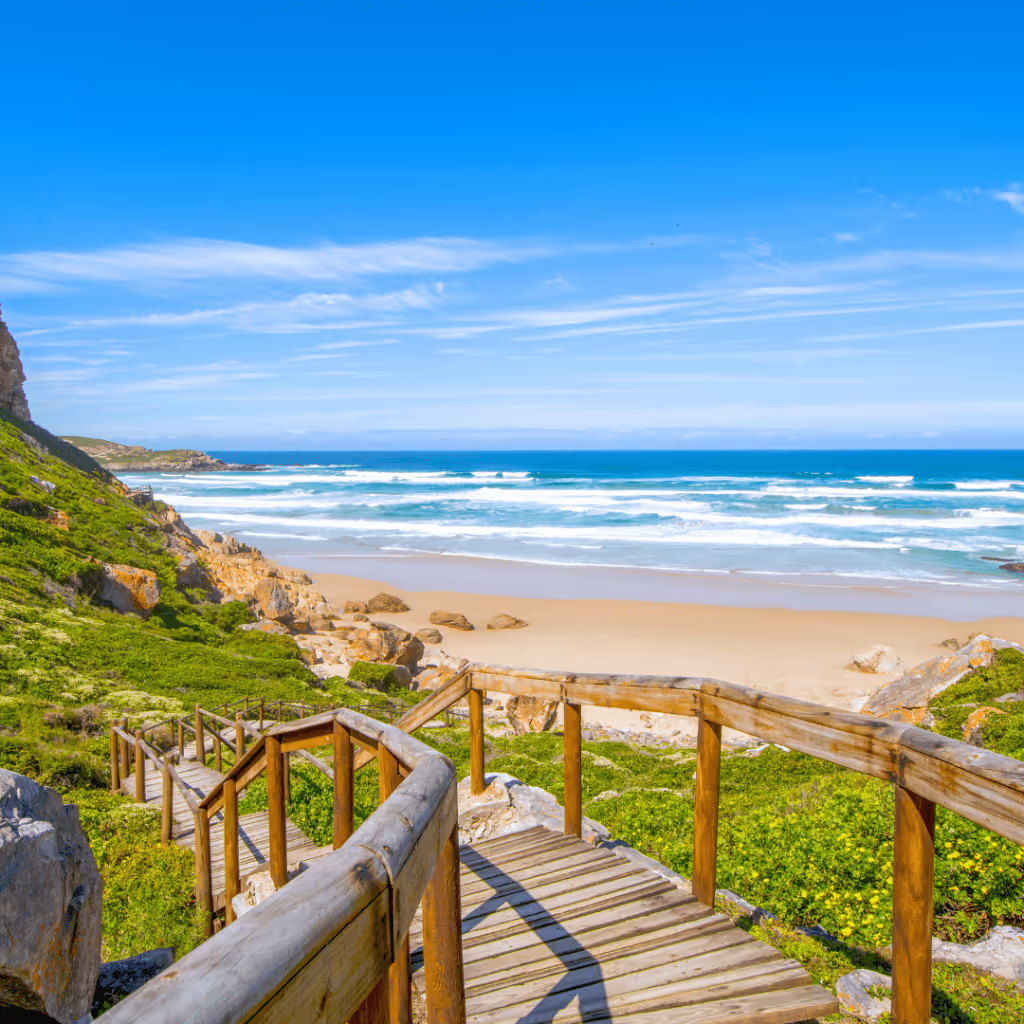
If you are travelling with children, the Montgó natural park is a must. Montgó is the most striking peak in the area, at over 750 m. Another fun way to see Jávea as a family is to ride the family cycle routes of Port-Calablanca.
Another gem is its old town, one of the most beautiful on the Costa Blanca, with small cobbled streets and stone houses.
We recommend visiting the historic centre of Xàbia in the late afternoon, after a morning of sun and beach and a little siesta; it is a must.
Its most notable buildings include the fortress church of San Bartolomé, in the Gothic style and declared a National Artistic Monument, the Town Hall, the Mercado Municipal de Abastos and the grand houses that the local bourgeoisie had built at the end of the 18th century.
To see Jávea from another angle and discover the Cabo de San Antonio marine reserve, we recommend a boat trip around the bay. There are different options, such as underwater viewing, catamaran trips, sailing, motorboats…
For the more adventurous, we recommend renting a kayak and exploring Portitxol island, Descubridor island or one of the many caves and coves that can only be reached by sea.
An experience that will leave no one in the family indifferent.
Jávea is also about 90 km from Ibiza, and on a clear day you can see the island.
How to get there
To drive to Jávea from Valencia, the distance is 111 km and the journey takes about 1 hour 15 minutes. Take the AP-7 and leave at exit 62. If you prefer public transport, we recommend combining train and bus. There are daily trains from Valencia to Gandía. Once in Gandía, you can take an Alsa bus that will drop you in Jávea. Alsa buses also connect Jávea with the main Spanish cities.
Where to eat
Xàbia's food is as appealing as its scenery: welcoming, unique and enjoyable. The sea plays a big part in Jávea's cuisine, with a wide variety of fish, shellfish and molluscs.
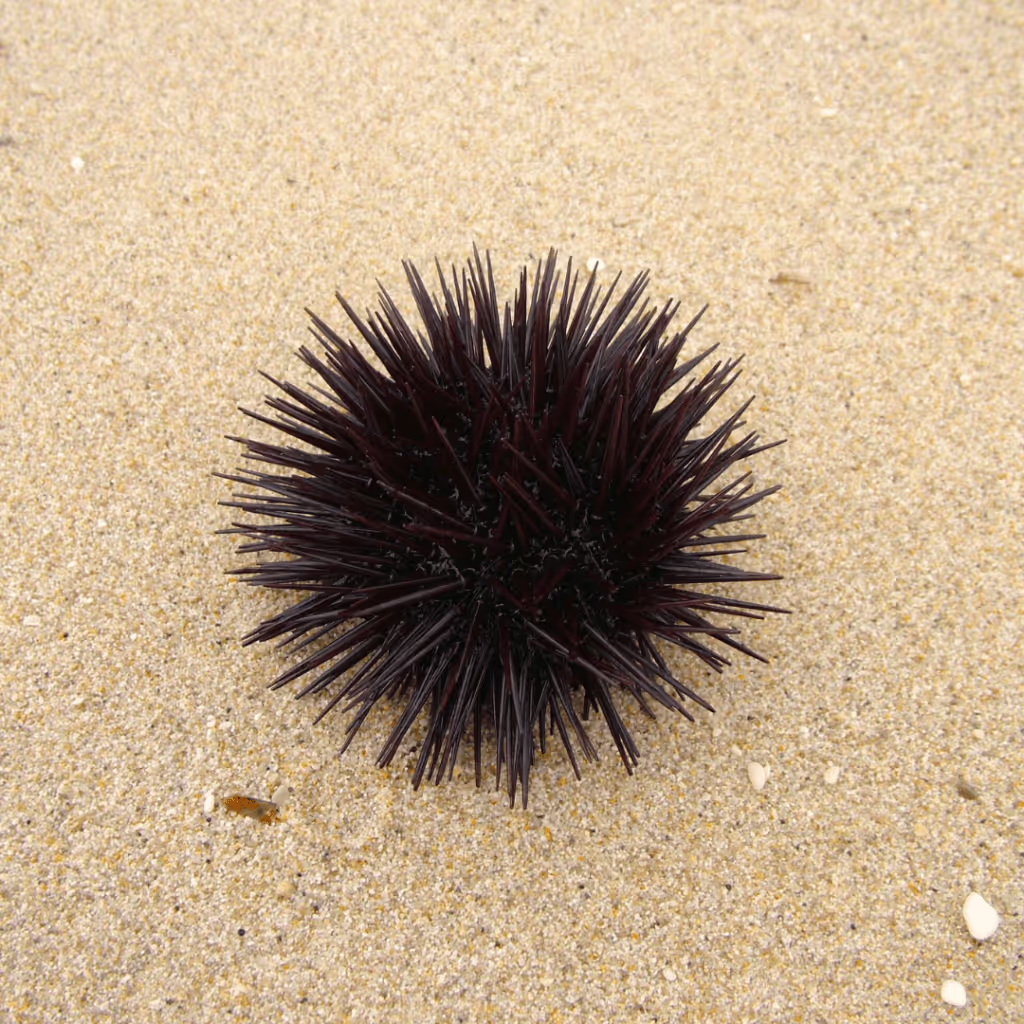
A very special and prized local product is the sea urchin, usually eaten with bread.
It is impossible to resist the local cuisine of Xàbia, such as “cruet de peix”, fried food, rice in all its forms, grilled octopus or “suc roig”, a fish stew made with tomato, ñora pepper and paprika.
3 places to try:
- Restaurant Tosca Jávea, opposite the Jávea Parador (Av. del Mediterráneo, 03738 Xàbia, Alicante)
- Restaurant La Bohème, on the seafront, on the Paseo del Arenal in Jávea (Paseo David Ferrer, Bloque 1, 03730 Xàbia, Alicante). A romantic atmosphere with the best views.
- Restaurant Cala Bandida, which serves gourmet Valencian snacks, with a terrace overlooking the sea, in a trendy coastal setting.
Where to stay
The range of accommodation in Jávea is very varied, for all ages and tastes. One of the best-known hotels in Jávea is El Rodat Hotel Village Spa, which overlooks the Montgó nature reserve and the bay of Jávea. It is pet-friendly and has outdoor and indoor pools (spa) for guests. It is at Calle la Murciana, 9, 03730 Xàbia.
If you are looking for a cheap place to sleep in Jávea, there is a wide range of hostels, guesthouses and lodges. For example, the Jávea youth hostel, in the old town and designed for young people, and the Estrella lodge, which has a pool. Whether on the seafront, near the port or in the old town, everything in Jávea is within easy reach.
To buy a house or an apartment in Jávea, contact us!
Source: Love Valencia
Thomas Rouer is the founder of Alveo Search and the CEO of the Alveo group. Based in Spain for almost ten years, he develops property services designed for the specific needs of foreign buyers.
His expertise covers every aspect of buying property in Spain: understanding the market, searching for and selecting properties, negotiation, financing, paperwork, tax and securing the purchase process.

Our resources for buying in Spain