Français
 English
10 things to know about the Tabernas Desert

- Status: the Tabernas Desert natural area is the only place in Europe officially declared a desert. It is a special area of conservation, also covered by SPA and SCI protection and the Natura 2000 network.
- Location: 280 square kilometres across Tabernas, Gádor, Santa Cruz de Marchena, Alboloduy and Gérgal, 30 kilometres north of Almería, between the Sierra de los Filabres and the Sierra Alhamilla. Only 15% of the area is public forest.
- Climate: average temperature of 17.9 °C, summer records above 50 degrees, more than 3,000 hours of sunshine a year and barely 243 mm of rainfall a year.
- Wildlife and geology: a stopover for migratory birds from North Africa, with reptiles, foxes, genets and weasels; the sea covered the area 8 million years ago.
- Key point: more than 300 westerns were filmed here in the 1960s and 1970s; visits are limited to hiking, cycling and 4x4 trips.
You may know that Almería has an excellent climate and is one of the hottest places in Europe, but what do you know about the Tabernas Desert?
1. It is the only desert in Europe
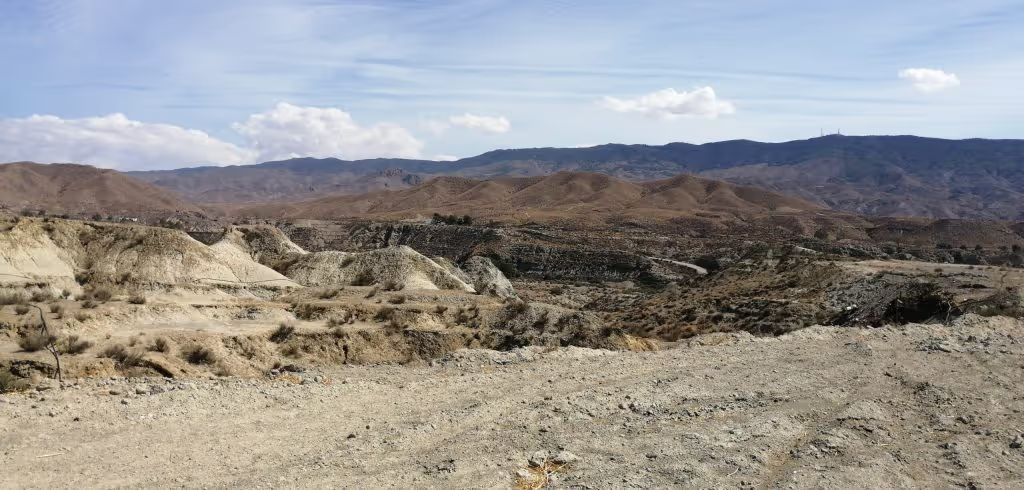
You may think this is not true because you know other desert areas on the continent. There are many other arid areas in Europe, of course, but the only one on the European continent officially declared a desert is the Tabernas Desert natural area.
2. A protected area
The Tabernas Desert is a special area of conservation (SAC). It is also covered by several protection schemes:
- the special protection area for birds (SPA),
- the site of community importance (SCI),
- the natural area
- Natura 2000 European ecological network
So it is important to bear in mind the kind of activities that can be carried out in this environment, and the restrictions that apply under the laws for this type of protection.
3. It lies between the municipalities of Tabernas, Gádor, Santa Cruz de Marchena, Alboloduy and Gérgal
This desert covers an area of 280 square kilometres. It lies 30 kilometres north of the city of Almería, between the Sierra de los Filabres and the Sierra Alhamilla. As it is only two kilometres from the Sierra Alhamilla natural park, the two places are sometimes confused.
4. It is a stopover for migratory birds and home to other animals.
Depending on the time of year, you can see birds typical of North Africa in the desert, as it is a stopover for these migratory birds.
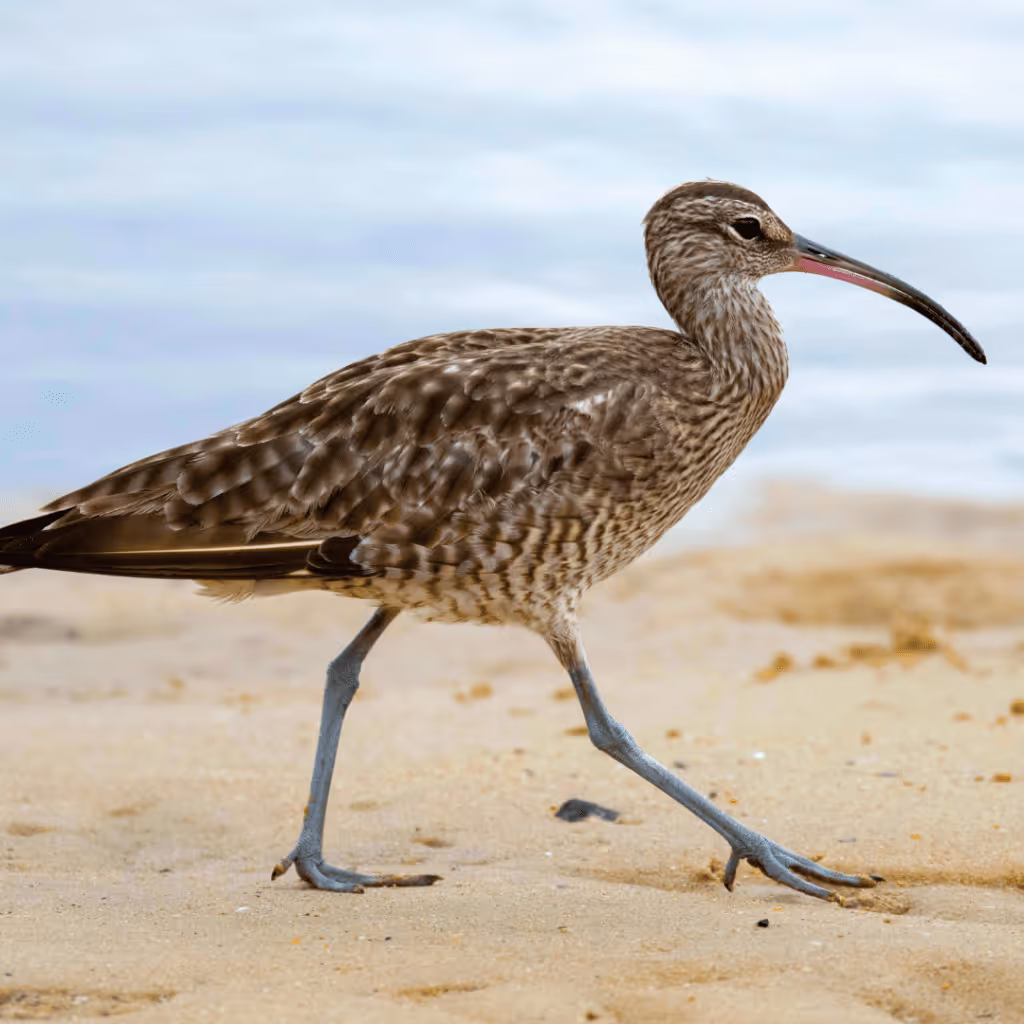
Birds native to south-east Spain, such as curlews, finches and rollers, are also common here. Lizards, the ladder snake and the Montpellier snake, along with other reptiles, are also typical of this desert landscape.
Not to mention mammals such as foxes, genets and weasels, which live alongside many insects and rodents.
5. It is the natural area in Europe with the most hours of sunshine
Here the average temperature is 17.9 °C, with summer records above 50 degrees. Sunshine reaches a record of more than 3,000 hours a year. In winter, the temperature can occasionally rise above 30 degrees.
Also, because of its location, between the Sierra de los Filabres to the north and the Sierra Alhamilla to the south-east, the area is cut off from the moist air of the Mediterranean Sea. This gives it its own climate with little rainfall, barely 243 mm a year.
6. The Tabernas Desert was once the sea
8 million years ago, the Betic mountain range was a vast area of land covered by the sea. A lot of sediment was laid down in this environment during that period.
The sea stretched across the whole desert to the foot of the Sierra de los Filabres. The Sierra Alhamilla natural park emerged later, 7 million years ago, and marine sediments and remains can also be found in some parts of it.
7. Only 15% of the total area is public
Most of the Tabernas Desert natural area is private property; only 15% of the total area is public forest.
8. The westerns of the Tabernas Desert
In the 1960s and 1970s, more than 300 western films were shot here. Today, thanks to the preservation of the old film sets, a whole tourist industry has grown up.
Wild West shows and activities cater for all kinds of visitors. There is also a restaurant area and a wildlife reserve.
9. Trips in the sun
As a protected area, the desert has no facilities for public use, so the leisure activities you can do here are mainly hiking and cycling.
That said, there are more and more activities today, such as 4x4 tours offered by various leisure and tourism companies.
10. It is also the cultural landscape of Campo de Tabernas
Different civilisations have crossed the desert, leaving their mark behind them. One example is the settlement of Terrera Ventura, near Tabernas.
This settlement, which is on its way to becoming a Site of Cultural Interest, is a prehistoric town from the Neolithic period. Today you can learn more about the culture of the people who lived there, their goods and tools, and some archaeological remains, by visiting the Terrera Ventura y Desierto de Tabernas interpretation centre.
Source: Matadornetwork
Anthony Lerouge is head of the Benalmádena office of Alveo Search (Alveo group), in the province of Málaga. Based in Spain since 2010, he supports international buyers on the Costa del Sol. With a background in banking, brokerage and property, he shares his advice on choosing an area, assessing a property and preparing a purchase.


Our resources for buying in Spain