Français
 English
Walking the Turia Gardens in Valencia
- The site: the former bed of the Turia river has become a 110-hectare urban garden in Valencia. The route described covers 7 km and can be done on foot, by bike or running, on separate tracks, in a park that is lit and busy all day.
- Start: the starting point is Parque de Cabecera, reached from Nou d'Octubre metro station, with a lake and green spaces open to picnics and pets.
- Heritage along the way: after 3 km, the Torres de Serranos, which housed works from the Prado Museum during the Civil War, including Las Meninas; the Pont de Fusta, a wooden bridge rebuilt after the 1957 flood; the Museum of Fine Arts, the former 18th-century Colegio de San Pío V, with free entry; and the Gothic Puente del Real, from the 16th century.
- End of the route: the Puente de las Flores, the Palau de la Música, opened in 1987, with its 4,000 m² fountain, Gulliver Park and its slides, then the City of Arts and Sciences designed by Santiago Calatrava.
- Key point: a single route links the city's main landmarks all the way to the sea.
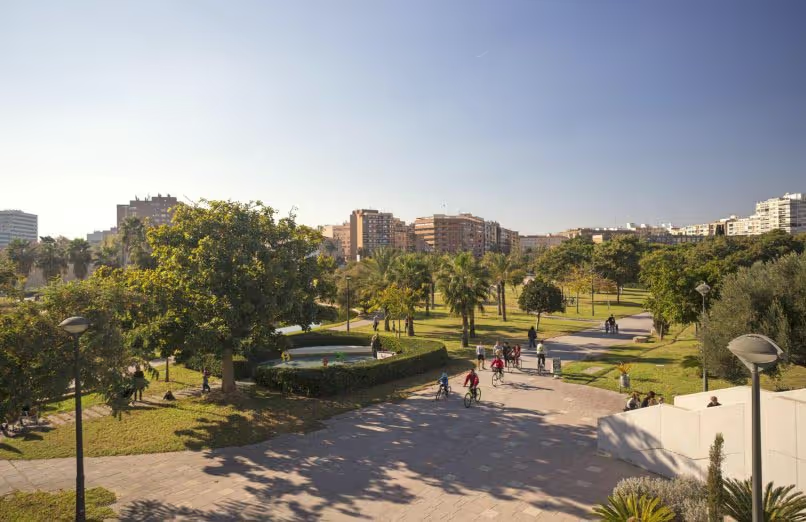
What was once the bed of the Turia river in Valencia has become the largest urban garden in Spain, covering 110 hectares. In this article, we look at the places not to miss as you walk through this park.
Parque de Cabecera
The starting point of this 7 km route is in Parque de Cabecera, where you will see a beautiful, peaceful lake and green spaces, ideal for a picnic or a walk with your pet. To get there, take the metro to Nou d'Octubre station.
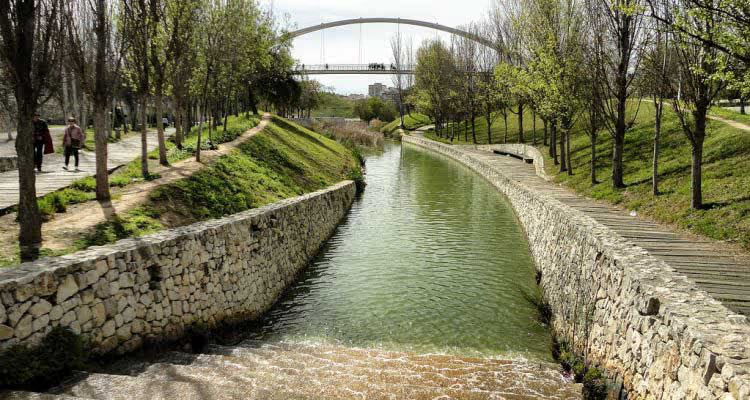
You can start your visit to the Turia Gardens here. You will see that there are different routes, some for runners and others for walking or cycling. It is a fairly safe and well-lit park and, because it is so popular, people do sport there all day long.
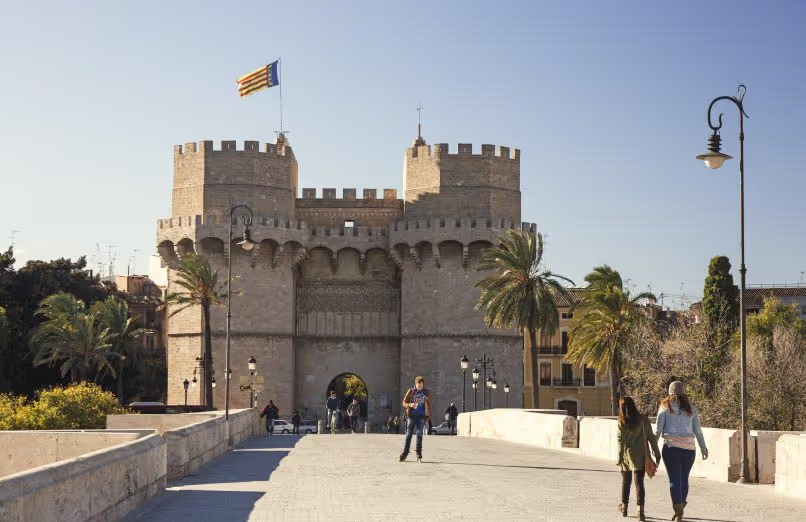
Torres de Serranos
After the first 3 km, you will see on your right the Torres de los Serranos, which for many years were one of the gateways into the city. Their most notable use came during the Civil War, when several major works from the Prado Museum were stored there to protect them from bombing and looting, such as Las Meninas by Velázquez.
Pont de Fusta
Next, you will pass under the Pont de Fusta which, as its name says in Valencian, is built of wood (it had to be rebuilt after the great flood of 1957). Today it is a bridge for pedestrians, although next to it there is a road so that cars can also cross on this side.
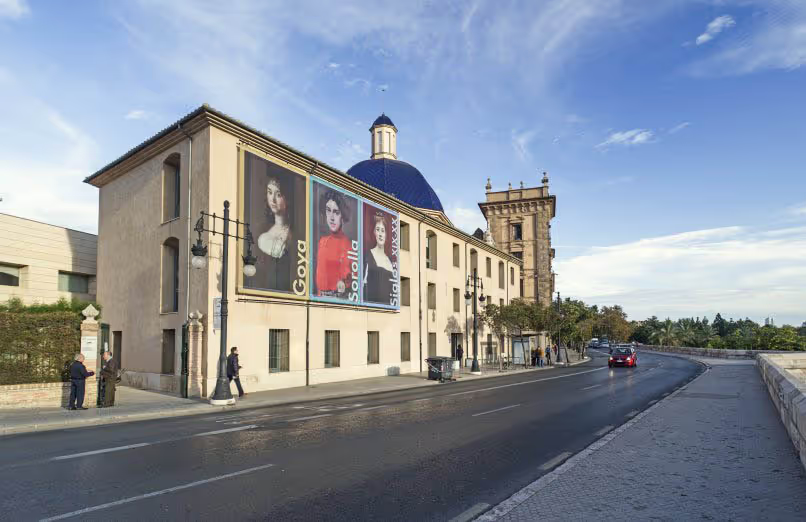
Museo de Bellas Artes
About 300 metres ahead, you will see on your left the Museum of Fine Arts, where entry is free. The building stands out because of its size. It was the Colegio de San Pío V, built in the 18th century. The next bridge you will cross is the Puente del Real, built in the 16th century in the Gothic style.
Puente de las Flores
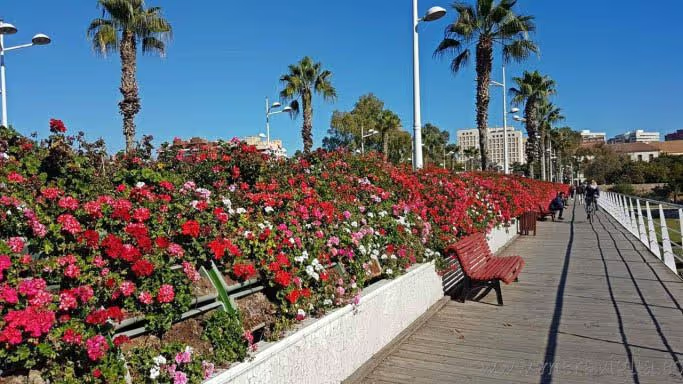
After passing the Puente de la Exposición designed by Santiago Calatrava, you will reach the Puente de las Flores, the most beautiful and colourful bridge in the city.
Palau de la Música
It is one of the most important concert halls in Valencia. The building opened in 1987 and its concert halls and exterior are impressive. It also has a large 4,000 square metre fountain that runs every day.
Parque Gulliver
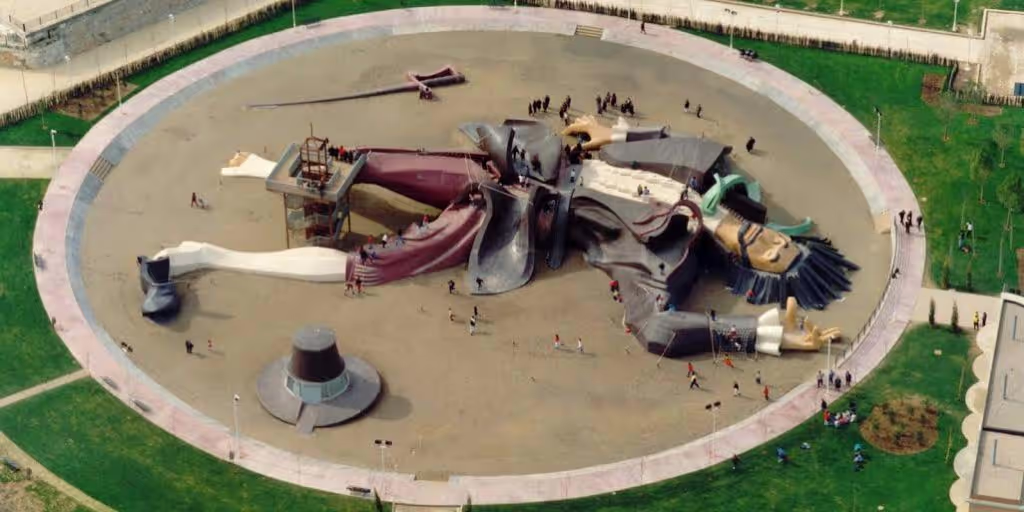
Some 400 metres from the Palau de la Música you will find the most special park in the whole city: Gulliver Park. It is a favourite with many children and adults, as it is made up of giant slides. What's more, seen from the sky, the park forms the figure of the hero of Gulliver's Travels.
Ciudad de las Artes y las Ciencias
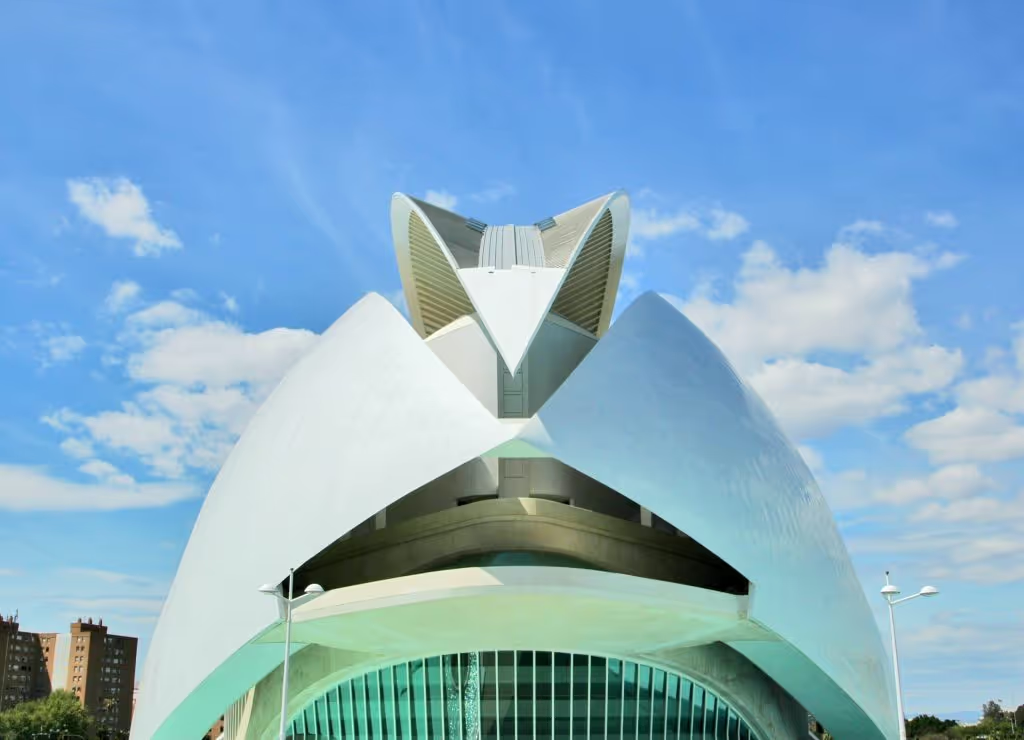
The last stop on this walk is the most impressive. The City of Arts and Sciences is a group of futuristic buildings designed by the architect Santiago Calatrava. Each one has a different purpose, the best known being the Palacio de las Artes Reina Sofía, the Hemisfèric, the Museo de las Ciencias Príncipe Felipe and the Oceanogràfic.
After the City of Arts and Sciences, there are only a few metres left before this old riverbed meets the sea. As you can see, this route is anything but boring and is ideal for a family walk or a bit of exercise.
To buy an apartment or house in Valencia, contact us!
Source: Meraviglia
Thomas Rouer is the founder of Alveo Search and the CEO of the Alveo group. Based in Spain for almost ten years, he develops property services designed for the specific needs of foreign buyers.
His expertise covers every aspect of buying property in Spain: understanding the market, searching for and selecting properties, negotiation, financing, paperwork, tax and securing the purchase process.

Our resources for buying in Spain