Français
 English
13 remarkable facts about Valencia
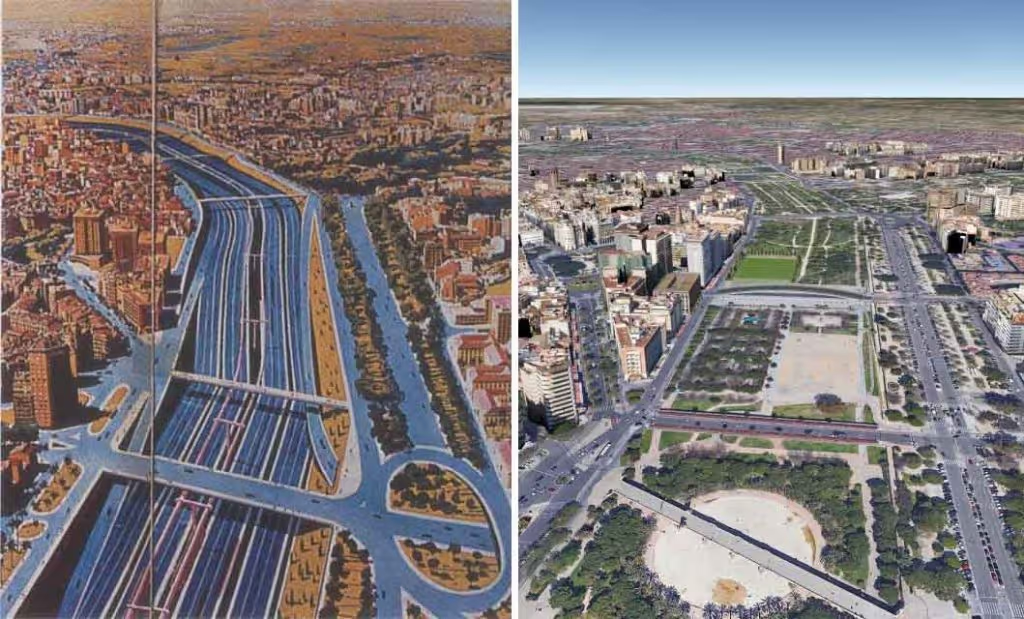
- The Turia riverbed: after the 1957 flood, the first plan was a motorway with three lanes in each direction. Pressure from residents stopped it, and the 1988 urban plan turned the riverbed into a park.
- Drinks: a BBC investigation for Coca-Cola's 125th anniversary points to a Valencian origin: in Aielo de Malferit, the syrup “Nuez de Kola-Coca” has been made since 1880 and was registered as a trademark in 1903.
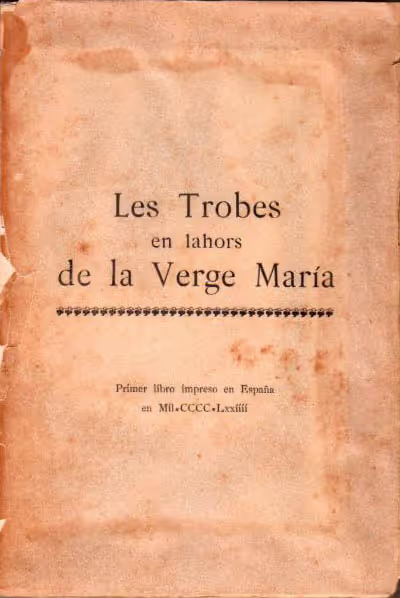
- Inventions: the radio grew out of a device by Julio Cervera Baviera, born in Segorbe in 1845, and the fountain pen came from Francesc de Paula Martí, born in Xàtiva in 1761. In 1474, “Trobes en lahors de la Verge Maria” came off Lambert Palmart's press in Valencia.
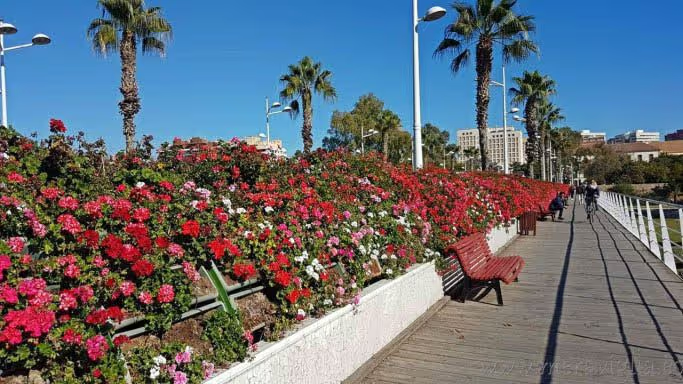
- Figures: the municipality covers 135 km², compared with 105 km² for Paris. The facade at 6 Plaza Lope de Vega is the narrowest in Spain, and the second narrowest in the world by 7 centimetres. The Bridge of Flowers costs €500,000 a year to maintain.
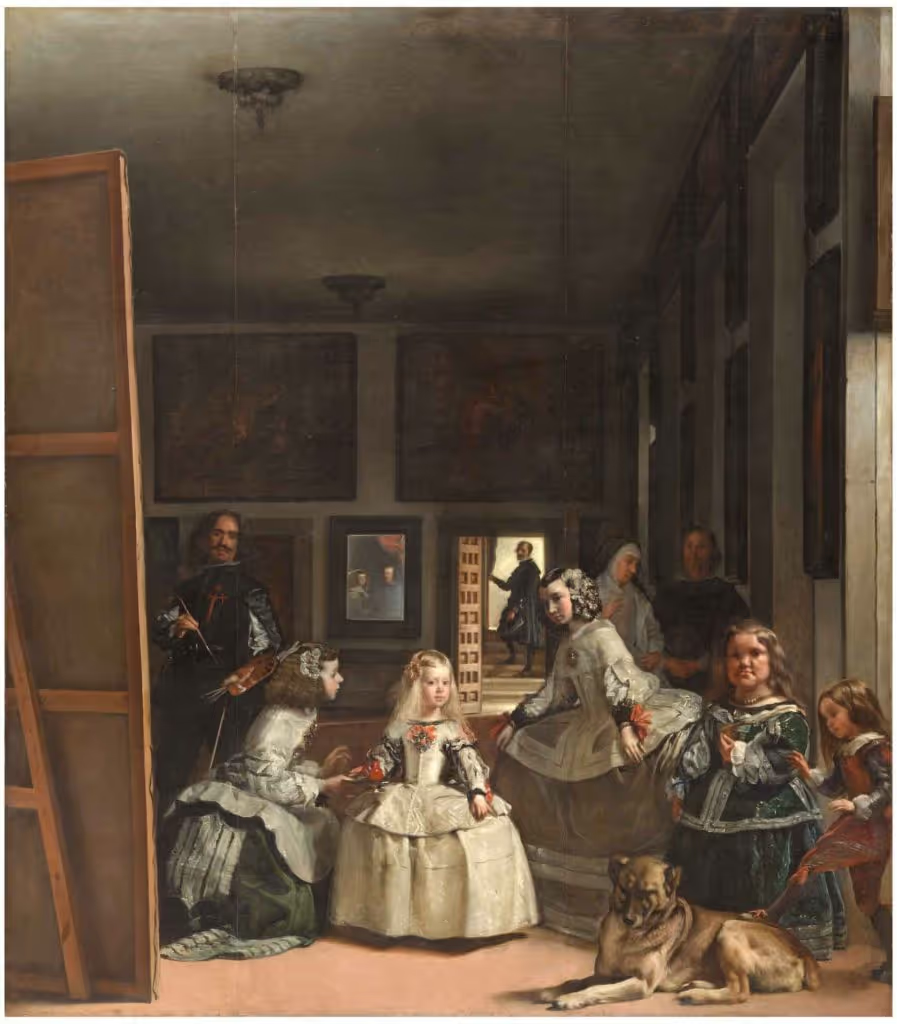
- History: during the Civil War (1936-1939), 2,000 works from the Prado, including Las Meninas, were kept safe in Valencia.
- Key point: behind the Mediterranean city, inventions and legends explain part of its identity today.
Valencia is a charming city with a Mediterranean climate that attracts many buyers looking to purchase a house or a flat. So if you want to settle in Valencia, you need to know these 13 remarkable facts about the city!
A motorway instead of the Turia gardens
After the flood of 1957, the first proposal for this new space was to turn the old channel into a motorway with three lanes in each direction, running past the historic harbour quay and nearby monuments such as the 14th-century Serranos Towers.
Thanks to pressure from residents, the project never went ahead, and the general urban plan of 1988 chose to turn the old riverbed into an urban park… phew!
Coca-Cola, a Valencian drink
Yes, it is true: it is a Valencian drink, from Aielo de Malferit to be precise, and not from Atlanta. After an investigation by the BBC for Coca-Cola's 125th anniversary, it was concluded that the soft drink is of Valencian origin.
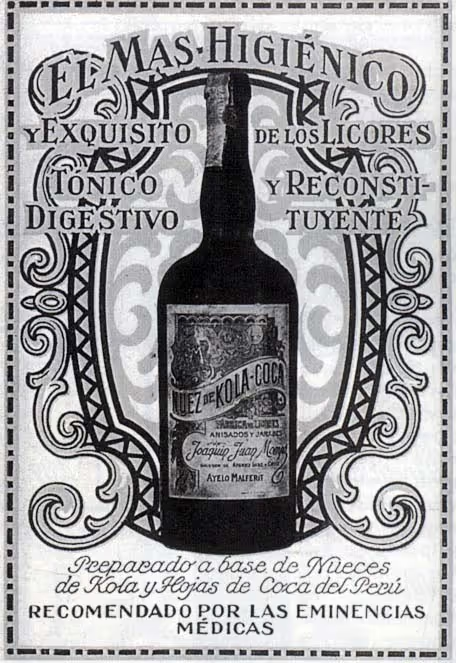
In 1880, a group of friends founded a liqueur factory and began making a drink called “Nuez de Kola-Coca”. It is a syrup similar to Coca-Cola in flavour, name and colour. The only difference from the American product is the alcohol.
Unfortunately, the businessmen took their drink to various competitions and international exhibitions to make their invention known and sell it to someone important.
For example, at the Paris Universal Exhibition and the Philadelphia drinks competition in 1885, where a certain Pemberton, who noticed the Nuez de Kola-Coca liqueur, “allegedly” copied it to market it and make it world-famous a year later (1886). Others say that samples of the drink were left behind there.
That said, Nuez de Kola-Coca was not originally a drink but a “tonic”, as you can see in the photo above. Nuez de Kola-Coca also won the award “Diploma of extraordinary merit obtained in London in 1882”, which shows that this “tonic” was indeed born in Valencia and was already becoming known.
So when Coca-Cola arrived in Spain in the 1950s, a series of “lawsuits” were filed in which the heirs of the Aielo de Malferit factory could claim the originality of the recipe or exclusive use of the brand.
But the Americans finally bought the rights to the brand, which was not patented, of the earlier soft drink from the Aielo factory, leaving the Valencians the option of making only the alcoholic version of Nuez de Kola-Coca. The product is still sold and is still registered in CLASS 32 of the NICE classification.
So when you think of one of the greatest inventions in history, “think Valencian”!
It has also been confirmed that the Valencian product was registered with the Oficina Española de Patentes y Marcas (OEPM) as a trademark in 1903 (application filed on 27 April 1903 and granted on 11 August 1903).
The origin of the name horchata, the famous Valencian drink
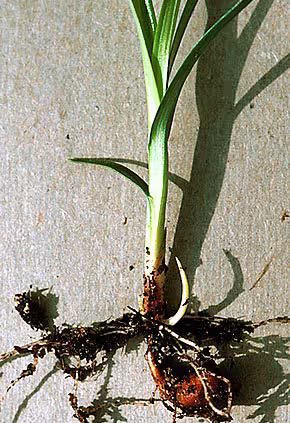
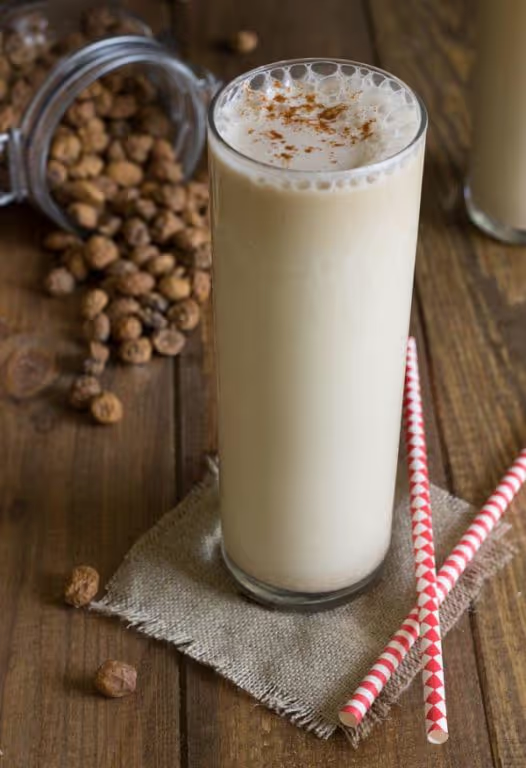
It is without doubt Valencia's signature drink. It is a sweet drink made from tiger nut tubers (chufa). Spain is the world's largest producer and the only producer in Europe.
According to legend, the name came into use during the Reconquista. When James I of Aragon, known as the Conqueror, arrived in the city and tasted this drink, offered to him by a woman, he asked what it was.
The young woman explained that it was chufa milk (llet de xufa, in Valencian), and the king exclaimed: “Açò no és llet, açò és OR, XATA!”, meaning: “That is not milk, that is gold, my dear!”. A blend of words was born from OR and XATA, the supposed origin of the Valencian word orxata.
The radio was invented by a Valencian
And no, it was not Guglielmo Marconi who invented the radio.
He used a Valencian invention as a starting point, then improved it, developed it and patented it.
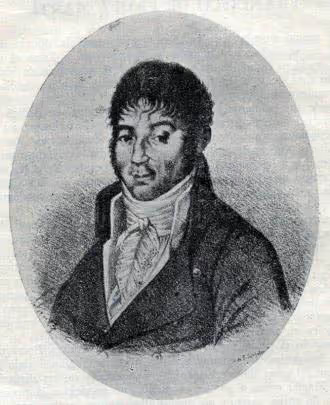
The real inventor is Julio Cervera Baviera, an engineer and army officer born in Segorbe in 1845. He designed a device that sent messages with decent sound quality without wires, in other words radiotelephony, the first step towards radio.
The fountain pen was invented by a Valencian
A symbol of elegance, the fountain pen is much loved for its fine writing. And yes, it is a Valencian invention. Francesc de Paula Martí, born in Xàtiva in 1761, designed a brass tube with a reservoir that could hold ink, with a lower wall that had a slit and a tip through which the ink was released, allowing writing.
The first Spanish literary work was printed in Valencia
In 1474, “Trobes en lahors de la Verge Maria” by Mosén Fenollar is considered the first work printed in Valencian. It is a collection of forty-five poems, forty in Valencian, four in Spanish and one in Italian, with a prologue in Latin.
It came off Lambert Palmart's press on 25 March 1474 in the city of Valencia and is now kept in the library of the University of Valencia, where you can go and see it.
Valencia is 30% bigger than Paris
It may seem surprising, but Valencia, the third largest city in Spain, covers a larger area than Paris, the French capital: 135 km² against 105 km². Note, however, that the municipality of Valencia stretches as far as the south of the Albufera park.
The world's second narrowest facade is in Valencia
If you have not seen it yet, go to number 6 Plaza Lope de Vega, in the heart of the Santa Catalina district. There you will find a building with the narrowest facade in Spain and Europe, and the second narrowest in the world. A Brazilian facade called “The metro house” beats it by just 7 centimetres!
An alligator in the Turia
There is a legend that in the Turia river there lived an alligator that terrified anyone who dared to approach the banks, although in some versions it was a dragon. Only one young man dared to face it, wearing mirrored armour with which he dazzled and froze the beast, so he could kill it in a single attempt.
The bat: the symbol of a victory
There are different theories about its origin, but they all have one thing in common: James I of Aragon. One of the most common says that James I of Aragon, before entering the city, was camping on the banks of the Turia river. One night, a bat landed on the king's tent and someone ordered it to be killed, claiming that bats brought bad luck.
The most expensive bridge in the world
In Valencia, there are many bridges linking the two sides of the city. For many years, one of them was considered the most expensive bridge in the world because of the high cost of its maintenance.
It is the Bridge of Flowers (Puente de las Flores), which costs no less than €500,000 in maintenance a year! This was largely because all the flowers were changed three times a year.
The Torres de Serranos and their hidden treasure
When the Prado Museum was in danger of being bombed during the Civil War (1936-1939), it was decided to move a large part of its works (2,000 in total) to keep them safe. Among them: Las Meninas, whose original title is La familia de Felipe IV. This painting, along with other works, travelled from Madrid to Valencia.
Villages turned into neighbourhoods
Valencia has not always been as big as it is today. It used to be a city surrounded by many villages.
Places that were once independent municipalities became neighbourhoods of the city. These include Campanar, Benimaclet and El Cabañal. Each of these neighbourhoods still has its own identity today.
Sources: Wikipedia, 7televalencia, Valencia Bonita, Valencia secreta, Meraviglia, Viuvalencia, Hispania Valencia, Lovevalencia, Iagua
Thomas Rouer is the founder of Alveo Search and the CEO of the Alveo group. Based in Spain for almost ten years, he develops property services designed for the specific needs of foreign buyers.
His expertise covers every aspect of buying property in Spain: understanding the market, searching for and selecting properties, negotiation, financing, paperwork, tax and securing the purchase process.

Our resources for buying in Spain