Français
 English
Carnival in Spain: traditions and where to go

- Origin and dates: the word comes from the Latin carne vale, “farewell to meat”, as the festival marked the start of Lent. Spanish carnivals usually take place in February, sometimes in March, with dates that vary from city to city.
- Cadiz: the Andalusian carnival is built on humour and political satire. The chirigotas, groups of musicians in costume, perform comic songs over about ten days, alongside the murgas, parades and costume contests.
- Santa Cruz de Tenerife: billed as the second biggest carnival in the world after Rio, it features the election of the queens, the Gran Cabalgata with decorated floats, masked balls and confetti battles.
- Other cities: Sitges, a major destination for the LGBTQ+ community, focuses on parades and beach parties; Ávila has a medieval atmosphere, Toledo its masks, Valencia its fireworks, and Barcelona and Madrid their street parties.
- Key point: the streets are free, but some balls charge an entry fee and accommodation fills up fast: book several months ahead and check the local calendar.
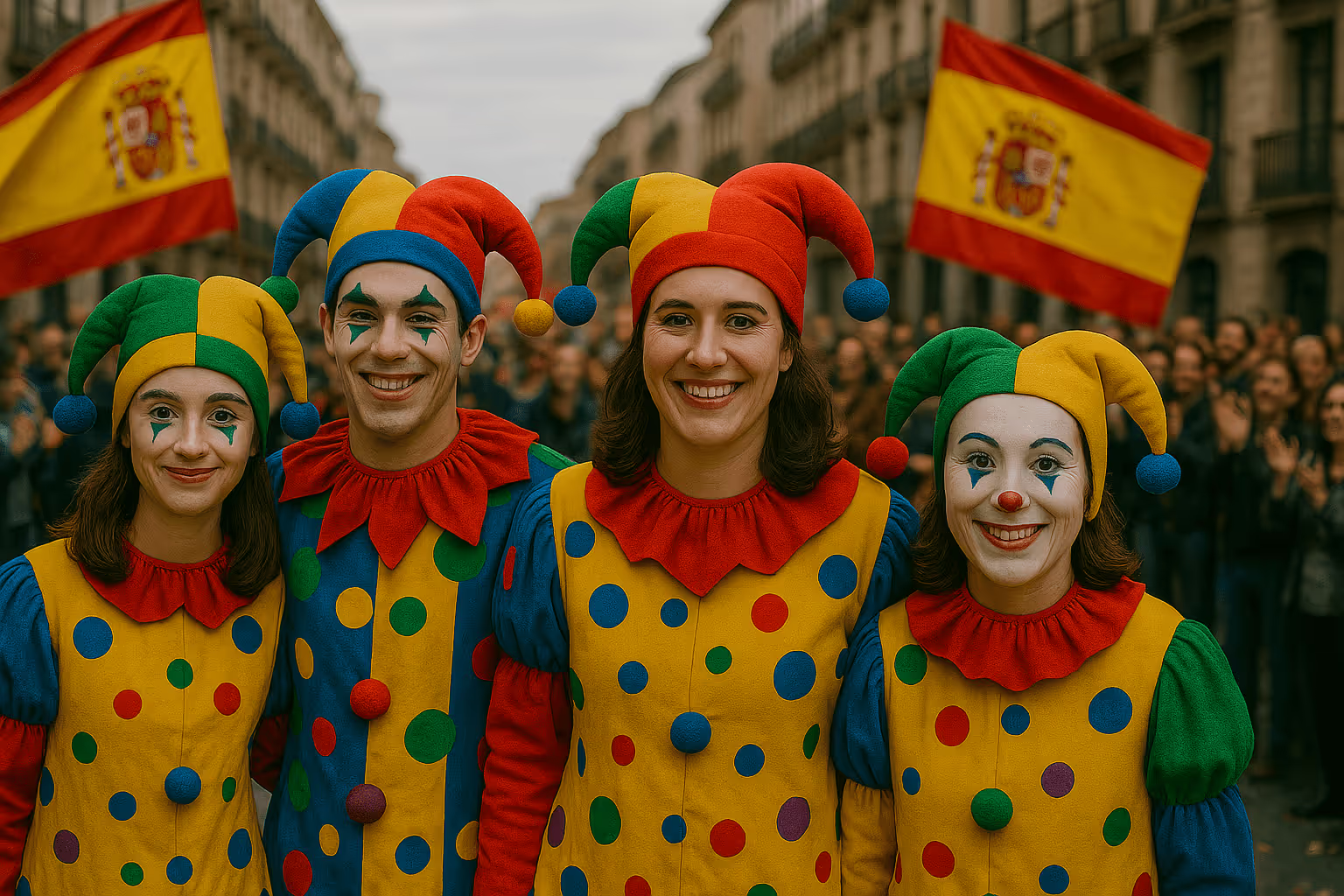
Carnival is celebrated in many countries, but in Spain it takes on a whole new dimension, with impressive intensity. Inclusiveness and exuberance define these festivals, where tapas and sangria add to the friendly atmosphere.
What is carnival in Spain?
The word “carnival” comes from the Latin carne vale, meaning “farewell to meat”, because the festival marked the start of Lent. In Spain, each region has made carnival its own, while keeping the spirit of celebration, costume and freedom.
Carnival usually takes place in February, just before Lent, but dates can vary with local traditions.
The most famous Spanish carnivals
The Cadiz carnival (Andalusia)
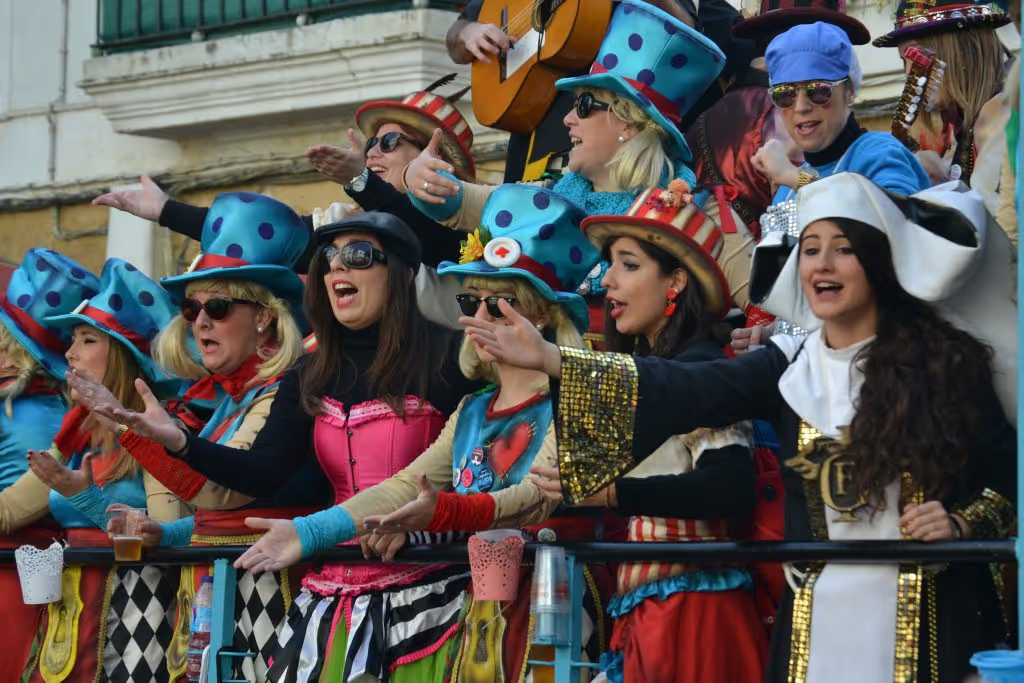
The carnival in Cadiz is famous for its humour and political satire. The “chirigotas”, groups of musicians in costume, play comic songs and create a festive atmosphere like a huge street festival.
Santa Cruz de Tenerife carnival (Canary Islands)
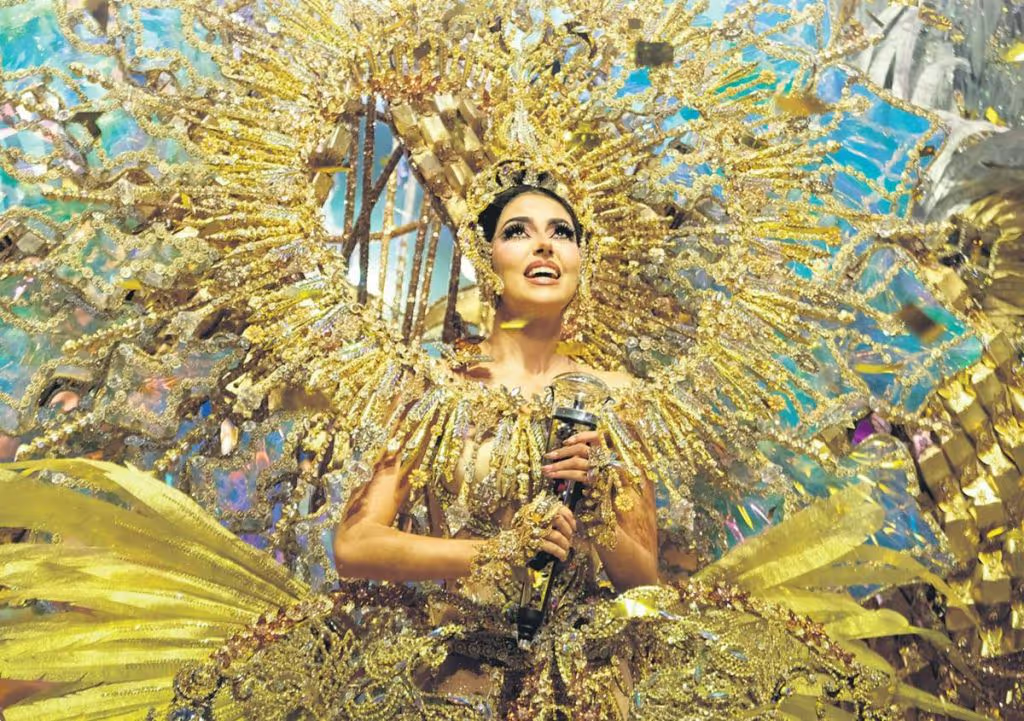
Considered the second biggest carnival in the world after Rio, the carnival of Santa Cruz de Tenerife features the election of the carnival queens, the “Gran Cabalgata” parade with decorated floats, masked balls, costume contests and confetti battles.
Sitges carnival (Catalonia)
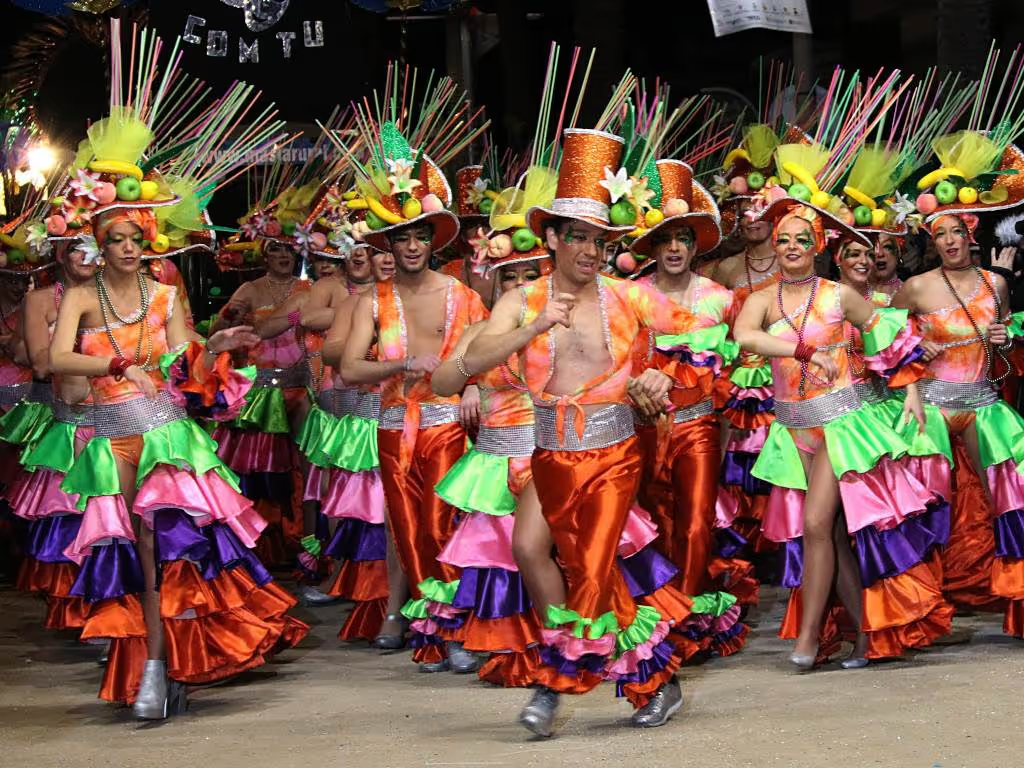
Sitges is a major destination for the LGBTQ+ community. Extravagant parades, spectacular floats and electronic music parties on the beach make this carnival a must.
Other carnivals worth mentioning
Many towns have carnivals with their own character: Ávila (medieval atmosphere), Toledo (masks and mystery), Benalmádena (Andalusian traditions), Valencia (celebrations and fireworks), Barcelona and Madrid (big street parties).
Carnival traditions and customs in Spain
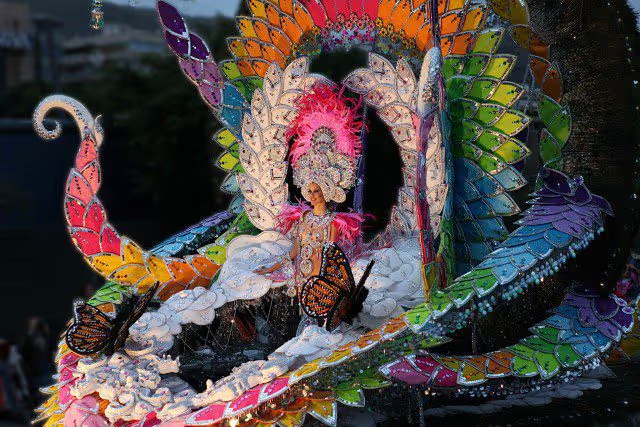
You will see the “comparsas”, costumed groups who dance and sing. The “Burial of the Sardine” is a mock ceremony that marks the end of carnival, and in Cadiz the “murgas” and satirical songs set the pace of the festivities.
Practical tips for visitors
When to go?
Dates vary from city to city, but most carnivals take place in February. Always check the local calendar for each city.
Where to stay
Accommodation fills up quickly during carnival. Book several months ahead to get the best locations.
What to wear?
A costume is essential. Even a simple mask lets you fully join in the festive mood.
Budget
The streets are usually free, but some balls and parties charge for entry. Your budget will depend on the activities you choose.
Carnival in Spain for families
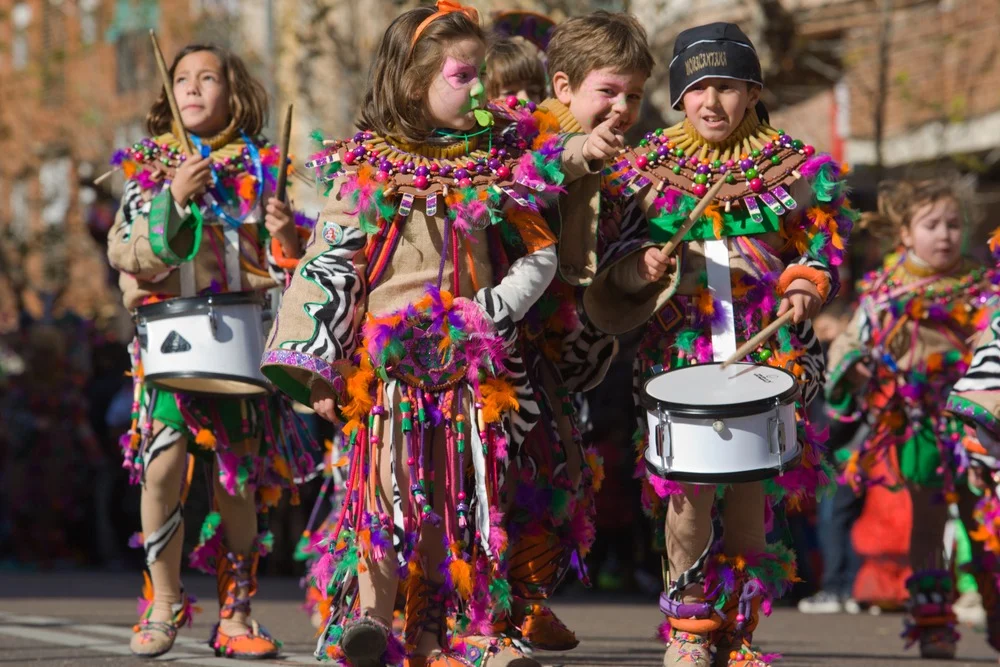
Carnival is a family celebration: costume contests for children, craft workshops, shows for toddlers and dedicated areas with face painting and music let families join in safely.
Why you should experience a Spanish carnival
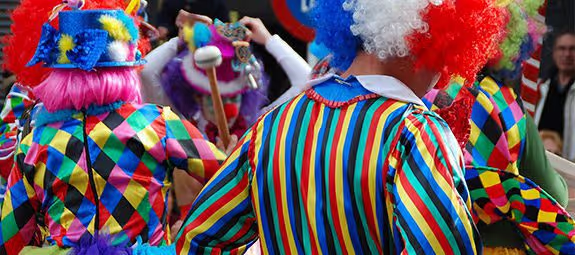
A Spanish carnival means a sunny, friendly experience that combines local traditions, community celebrations and cultural immersion.
Frequently asked questions
When is carnival in Spain?
Carnival usually takes place between February and March, with variations between cities and years.
What is the Cadiz carnival about?
The Cadiz carnival celebrates Andalusian culture for about 10 days, with chirigota contests, parades, costumes and traditional music.
Where is carnival celebrated in Spain?
Carnival is celebrated throughout the country; Santa Cruz de Tenerife is known as the biggest in Spain and the second biggest in the world after Rio de Janeiro.
Thomas Rouer is the founder of Alveo Search and the CEO of the Alveo group. Based in Spain for almost ten years, he develops property services designed for the specific needs of foreign buyers.
His expertise covers every aspect of buying property in Spain: understanding the market, searching for and selecting properties, negotiation, financing, paperwork, tax and securing the purchase process.


Our resources for buying in Spain