Français
 English
Spain for digital nomads: visa, cities and housing

- Scale: there are said to be more than 35 million of them worldwide, and there could be a billion by 2035 according to Forbes. A 2023 survey by Nomad List and Buffer found 98% of respondents in favour of remote work.
- Profile: Nomad List, created in 2014, brings together more than 32,000 members. The typical nomad in 2024 is 35, single and earns about 79,000 euros a year; 46% are American.
- Strengths: quality of life scores close to 177 on Numbeo, the climate offers 300 days of sunshine, and the cost of living index was 48.49 in February 2024. Allow about 700 euros a month, excluding rent.
- Steps: EU citizens do not need a visa but must obtain an NIE. The Startups Law of January 2023 gives non-EU nationals, including British and American citizens, access to a one-year visa, subject to income and insurance conditions.
- Where to settle: Fuerteventura, Gran Canaria, Seville, Valencia, Barcelona and Madrid are mentioned. The national average rent is 12 euros per square metre, and buying costs about €2,000/m².
- Key point: climate, cost of living and digital infrastructure explain the country's appeal; non-EU nationals, such as British and American citizens, need a visa.
There are already said to be just over 35 million of them worldwide. Their community has exploded since the Covid-19 pandemic. The number of digital nomads is growing spectacularly worldwide, and Spain is the first country they turn to. So why has Spain become a paradise for these travelling workers? What are the best places to set up your laptop for a few months? Which cities offer the cheapest housing and a good internet connection? What steps do you need to take to be allowed to work in Spain for a while? Alveo Search explains it all.
The boom in digital nomadism
Rising numbers
Although the practice was described by Tsugio Makimoto as early as 1997, the term only recently made its way into Wikipedia. According to a study by Forbes magazine, the digital nomad community could reach one billion by 2035. To join it, all you need is a good internet connection and to embrace its philosophy, which is about doing everything you can to combine happiness, work and travel. A recent 2023 survey carried out jointly by Nomad List and Buffer shows that 98% of respondents are in favour of remote work.
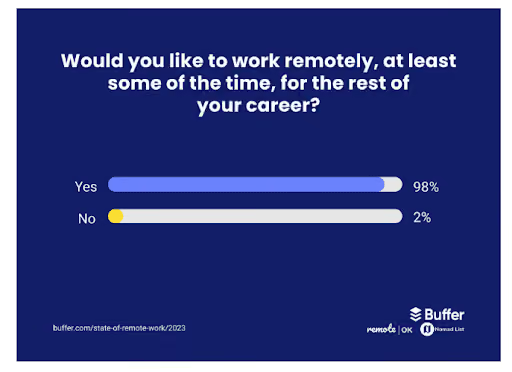
Caption: “Are you in favour of remote work?” Source: Buffer and Nomad List
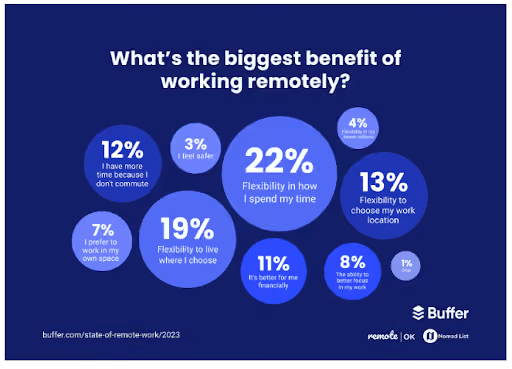
Caption: “What is the biggest benefit of remote work?” Source: Buffer and Nomad List
Profile of the typical digital nomad
Created in 2014 by Pieter Levels, Nomad List has become the go-to platform for digital nomads. A social network, resources and information on the best places to live and work remotely, statistics: the site now brings together a community of more than 32,000 members around the world. According to the platform, this is what the digital nomad looks like in 2024.
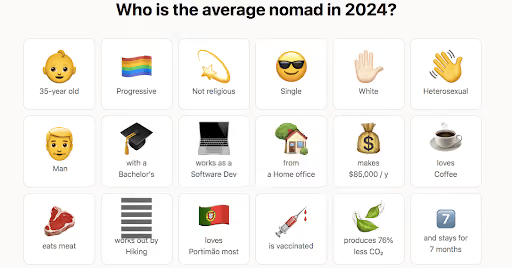
Caption: the characteristics of the digital nomad in 2024. Source: Nomad List.
The most common digital nomad on the platform is a man, aged 35 on average, single, who earns about 79,000 euros a year. 46% of them are American.
Spain, the top destination for digital nomads
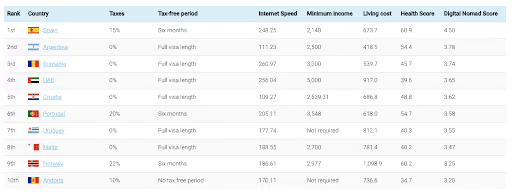
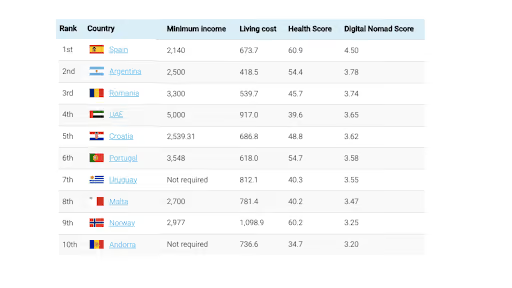
A computer, a good internet connection, a table and a comfortable chair: Spain has plenty to offer. According to Statista, Europe issues the largest number of digital nomad visas in the world. At the end of 2023, Spain was named the best country for digital nomads in 2024 by the Digital Nomad Index from VisaGuide.
This ranking takes a range of criteria into account:
- Whether a visa designed specifically for digital nomads is available;
- Internet speed in the area;
- The tax regime and the length of the tax-free period;
- The income required to apply for the visa;
- The cost of living;
- The overall rating of the healthcare system;
- Popular tourist sites in the country.
The advantages of Spain for digital nomads
Quality of life in Spain
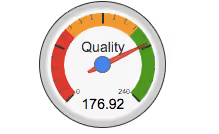
The famous Spanish way of life really does exist, and most expats are looking for a better life. The Numbeo platform shows that Spain's quality of life scores an index of almost 177.
A pleasant climate all year round
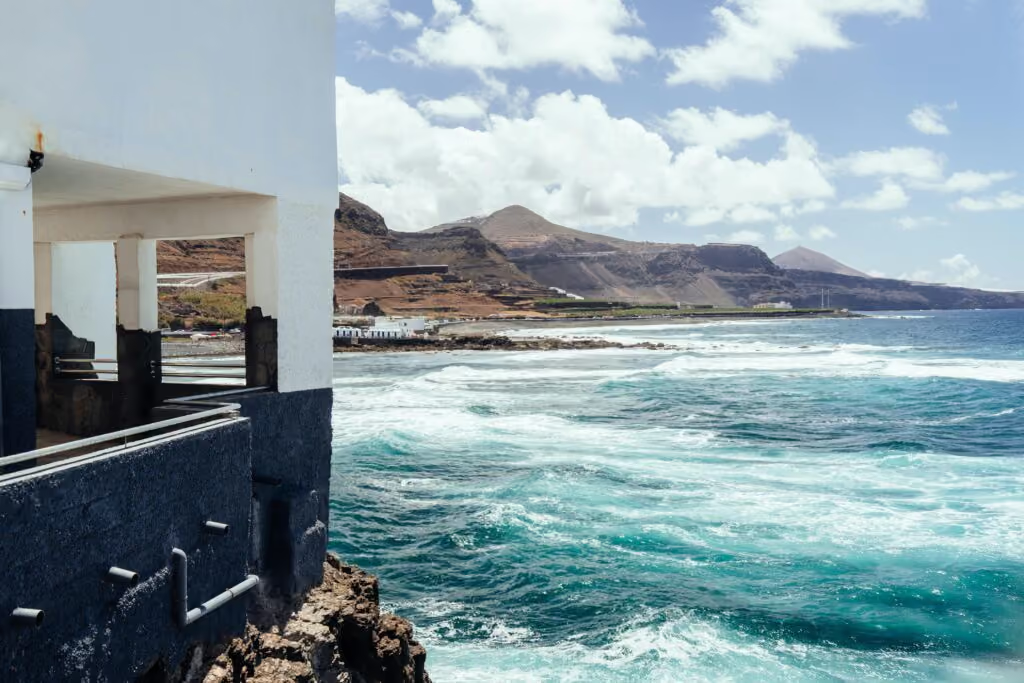
The Mediterranean climate is ideal: 300 days of sunshine a year, little rain, warm springs and summers, and mild winters. Numbeo's climate index for Spain is very high.
Cost of living in Spain
The cost of living is affordable in Spain. In February 2024, the cost of living index stood at 48.49. According to Numbeo, to live in Spain, one person needs a budget of about 700 euros a month (€764 a month in Madrid, €772 a month in Barcelona), plus rent. If you want to buy in Spain, book a call online with our advisers: it is free and there is no obligation.
Location and infrastructure
Spain is a bridge between Europe, Africa and the Americas. The country has excellent digital infrastructure, with fast and reliable internet coverage in urban areas. 5G is well developed and accessible, coworking spaces are multiplying and fibre is widely available. For more information, see our practical guide: Internet in Spain.
How to get a digital nomad visa in Spain
The rules differ for EU citizens and non-EU nationals. EU citizens (from Germany, the Netherlands or Ireland, for example) do not need a specific visa but must obtain an NIE. To find out more, read our guide: How to get an NIE
The Startups Law (January 2023) created a scheme that makes it easier for foreign talent to come to Spain. Non-EU nomads, including British and American citizens, can obtain a special one-year visa subject to conditions (criminal record check, private health insurance, proof of income, professional experience, etc.).
The best areas in Spain for digital nomads
Whether you prefer a big city or an island, there is something for you. Areas to consider include:
- Fuerteventura (Canary Islands)
- Gran Canaria
- Seville
- Valencia
- Barcelona
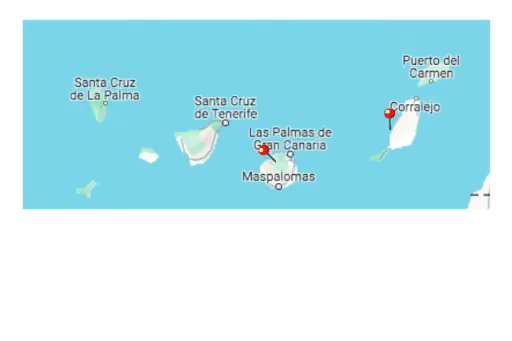
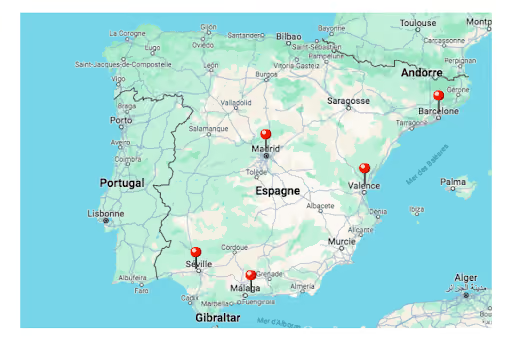
Fuerteventura and Gran Canaria
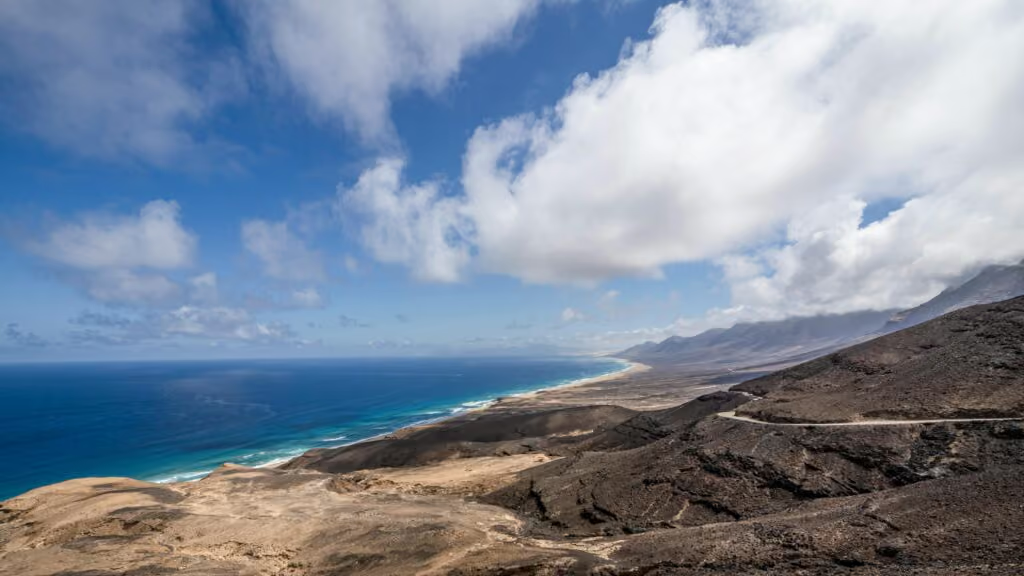
The Canary Islands have welcomed many digital nomads thanks to their subtropical climate, their landscapes and good connectivity. To discover the Canaries, see our guide: Living in the Canary Islands.
Andalusian cities
Seville and Málaga appeal with their charm, competitive cost of living and coworking spaces. Find out more: Living in Andalusia and Living in Malaga.
Valencia, Barcelona, Madrid
Valencia offers a good balance between cost, climate and innovation (Living in Valencia). Barcelona remains a hub for nomads, while Madrid stands out for its economic dynamism and business events (Living in Barcelona).
Affordable property for digital nomads in Spain
In Spain, the national average rent is 12 euros per square metre and the purchase price is around €2,000/m². Prices vary widely by region. If you would like to buy, contact our team: buy a property in Andalusia.
Challenges and tips for digital nomads in Spain
- Use Nomad List to find advice and meet other nomads.
- Back up your data regularly in case of connection problems.
- Prepare for the language: follow our tips for learning Spanish (Our 7 tips to learn Spanish easily).
- Arrange health insurance, and bring your European Health Insurance Card if you are an EU citizen (or a GHIC if you live in the UK).
FAQ
What are the advantages of choosing Spain as a digital nomad destination?
Spain offers a high quality of life, a pleasant climate, a relatively low cost of living and excellent digital infrastructure.
How do I get a digital nomad visa for Spain?
Non-EU nationals, including British and American citizens, can get a digital nomad visa by providing proof of employment, a stable income, private health insurance and a clean criminal record. See our guide or contact our advisers for more information.
Which cities are recommended for digital nomads?
Barcelona, Madrid, Valencia, Seville, Málaga and the Canary Islands are often recommended for their infrastructure and quality of life.
Can I avoid double taxation?
Yes, Spain has double taxation treaties with many countries, including the UK, the US, Germany and the Netherlands; talk to a tax adviser about your personal situation.
Thomas Rouer is the founder of Alveo Search and the CEO of the Alveo group. Based in Spain for almost ten years, he develops property services designed for the specific needs of foreign buyers.
His expertise covers every aspect of buying property in Spain: understanding the market, searching for and selecting properties, negotiation, financing, paperwork, tax and securing the purchase process.

Our resources for buying in Spain