Français
 English






Step 1 of 12
Thank you! Your submission has been received!
Oops! Something went wrong while submitting the form.

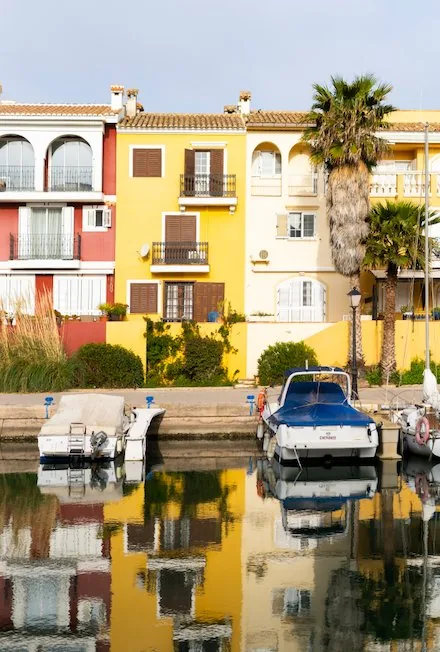
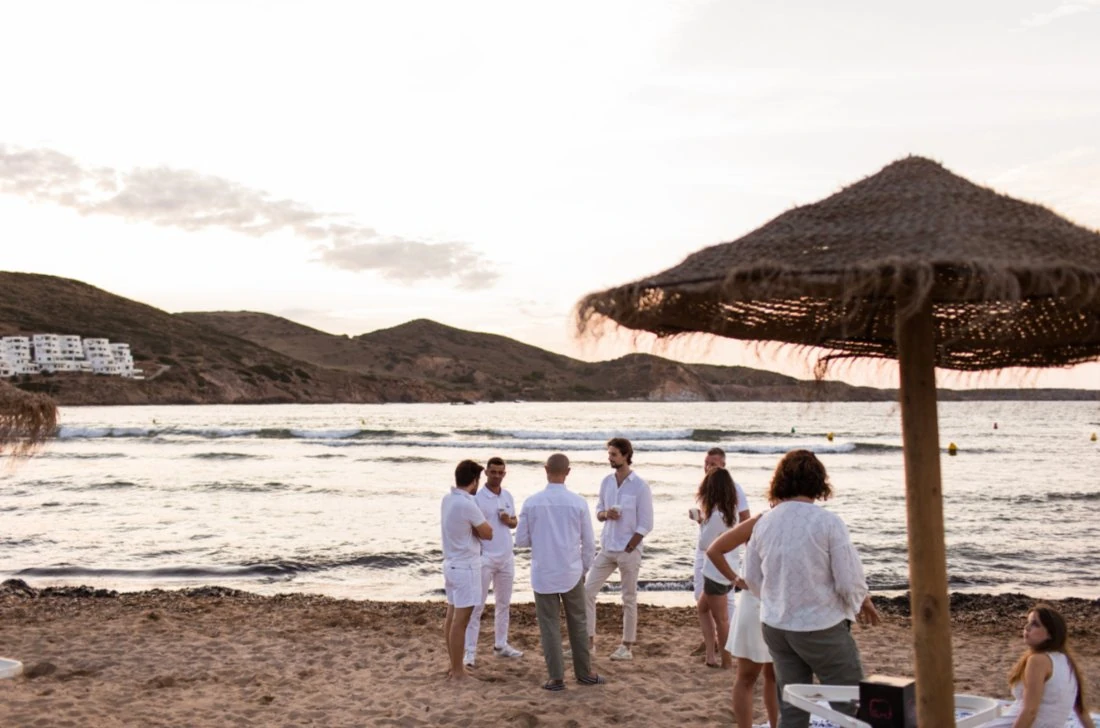

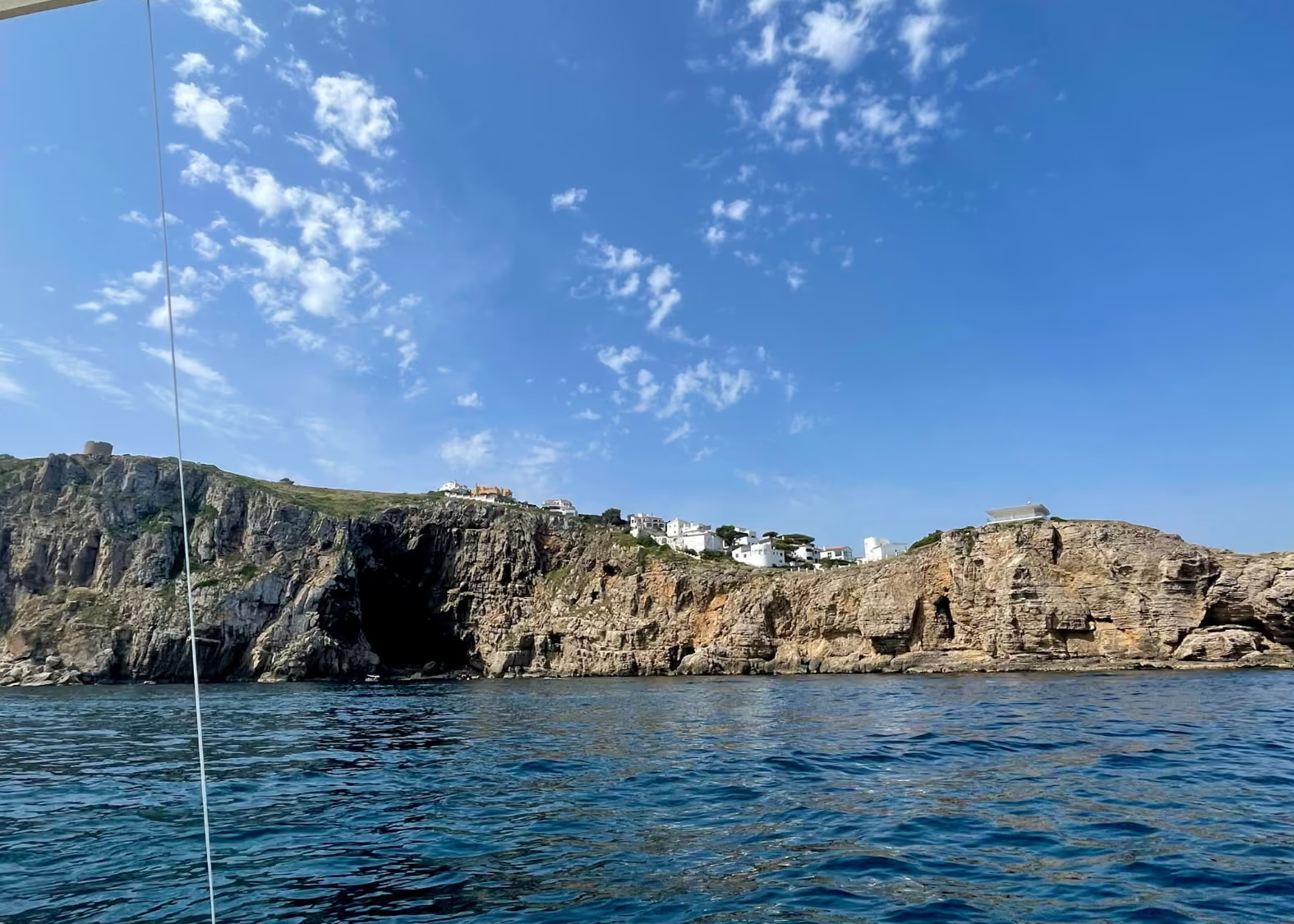
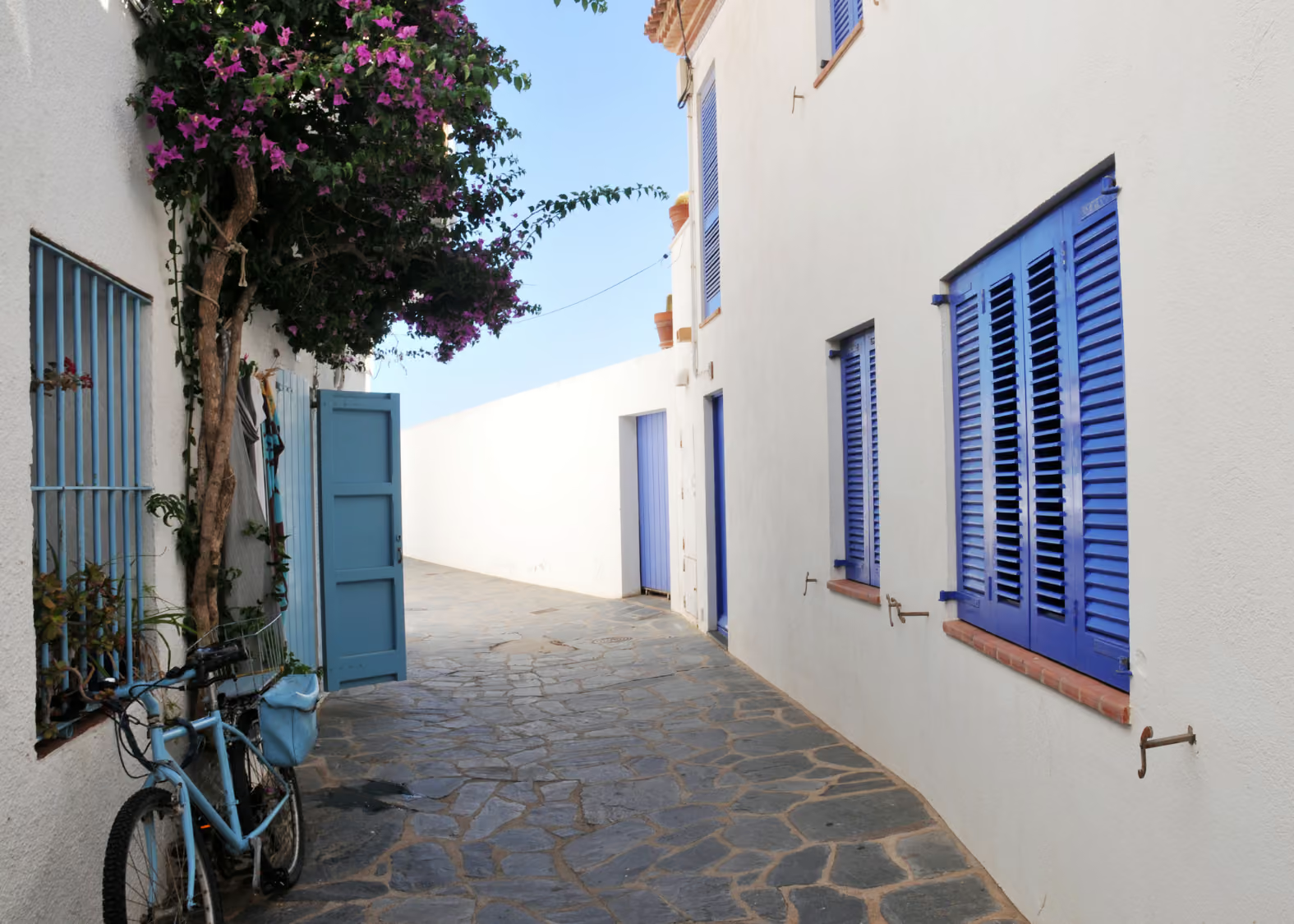
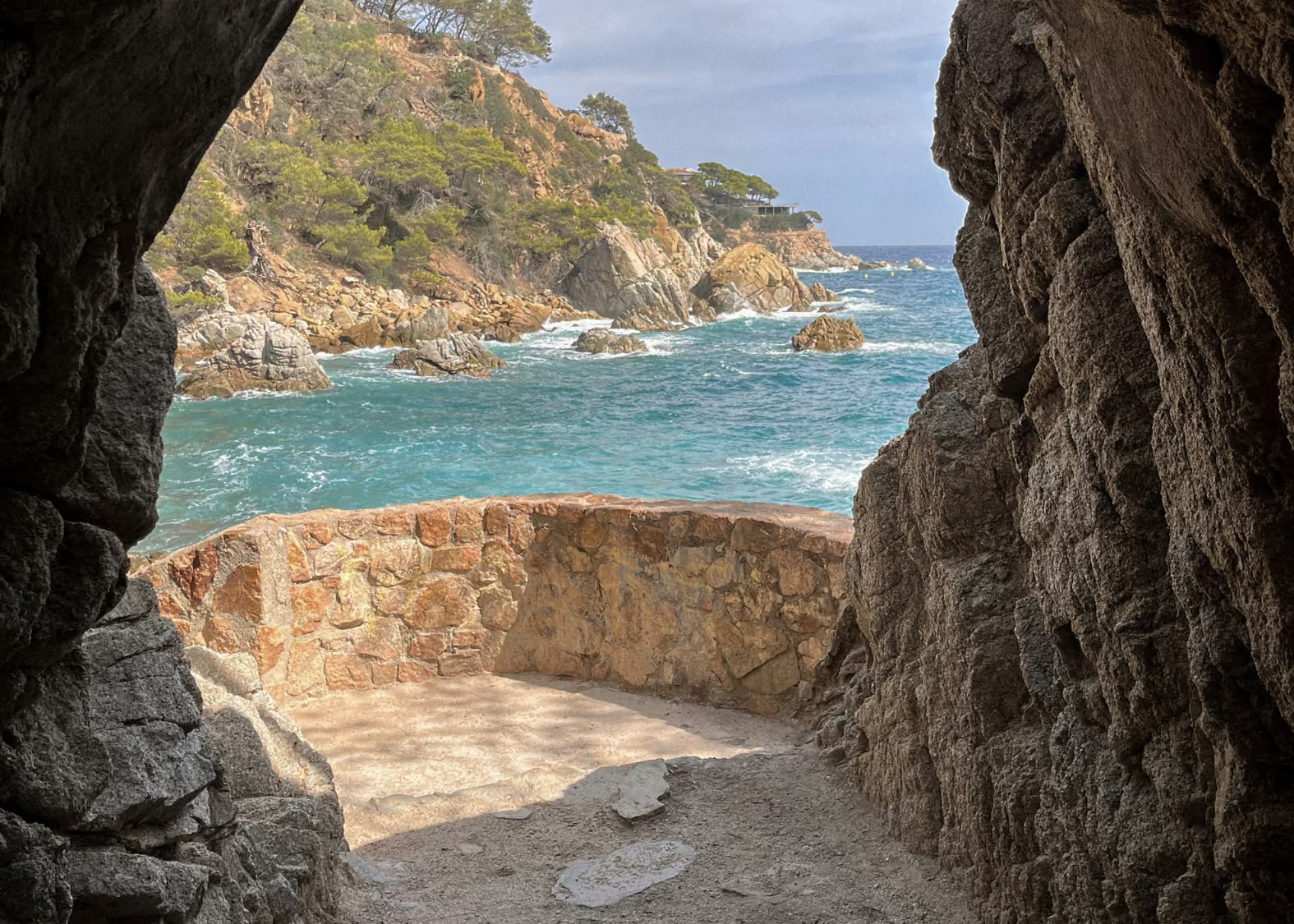
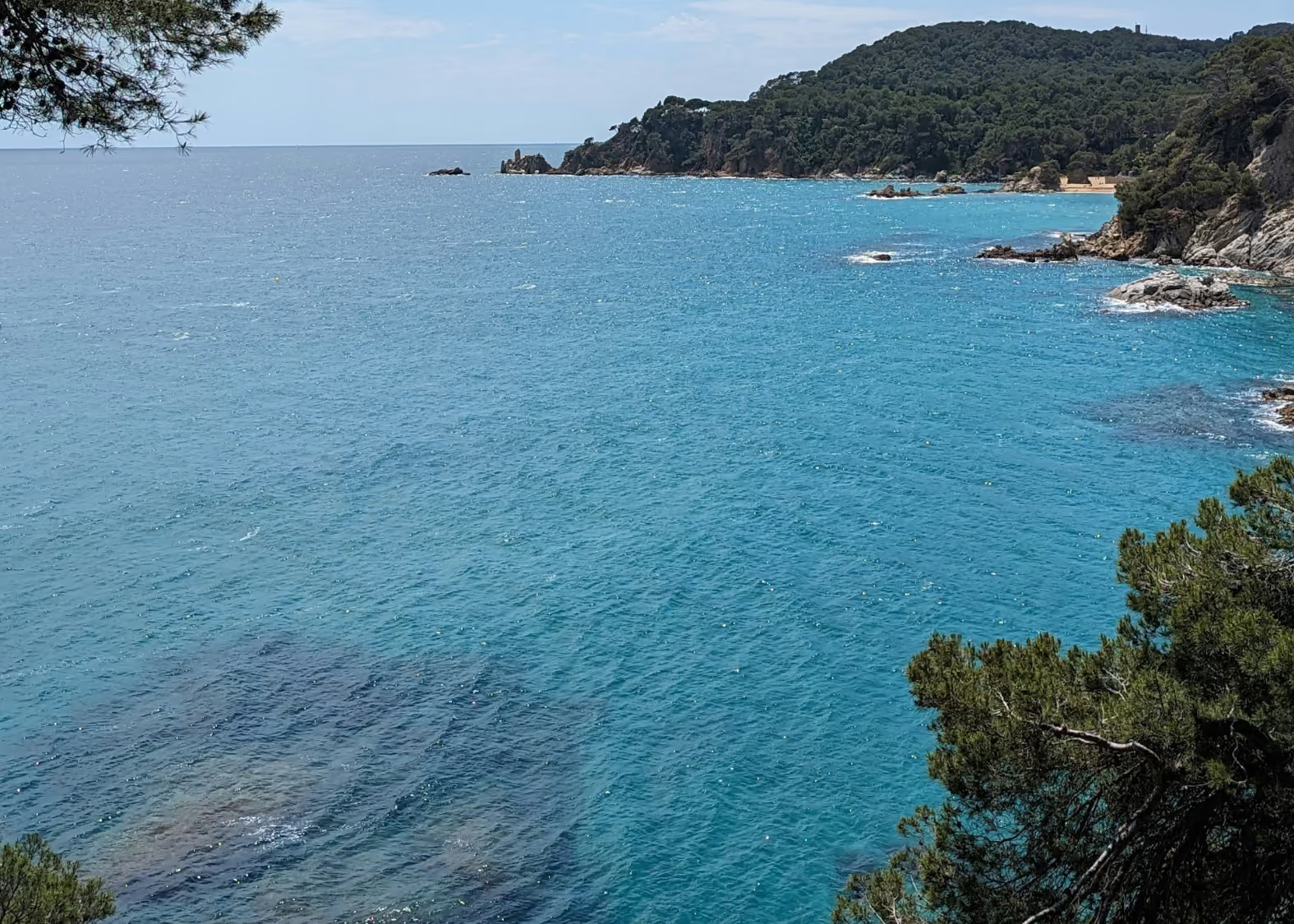
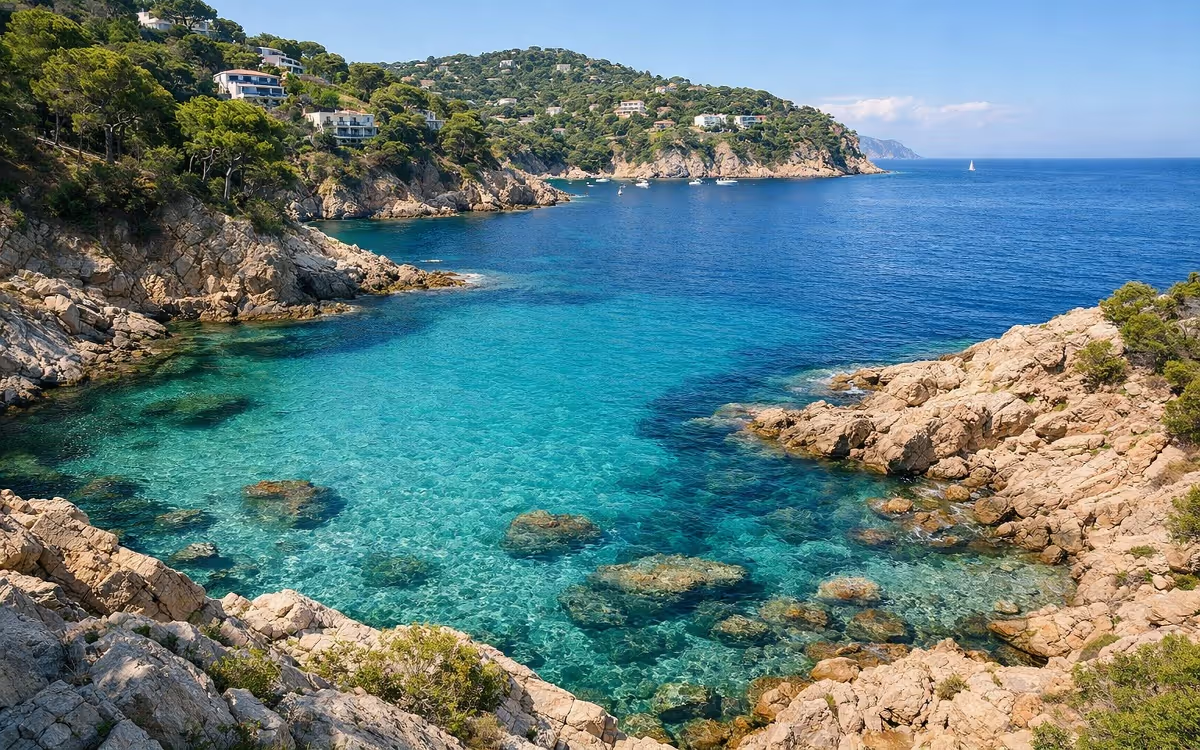
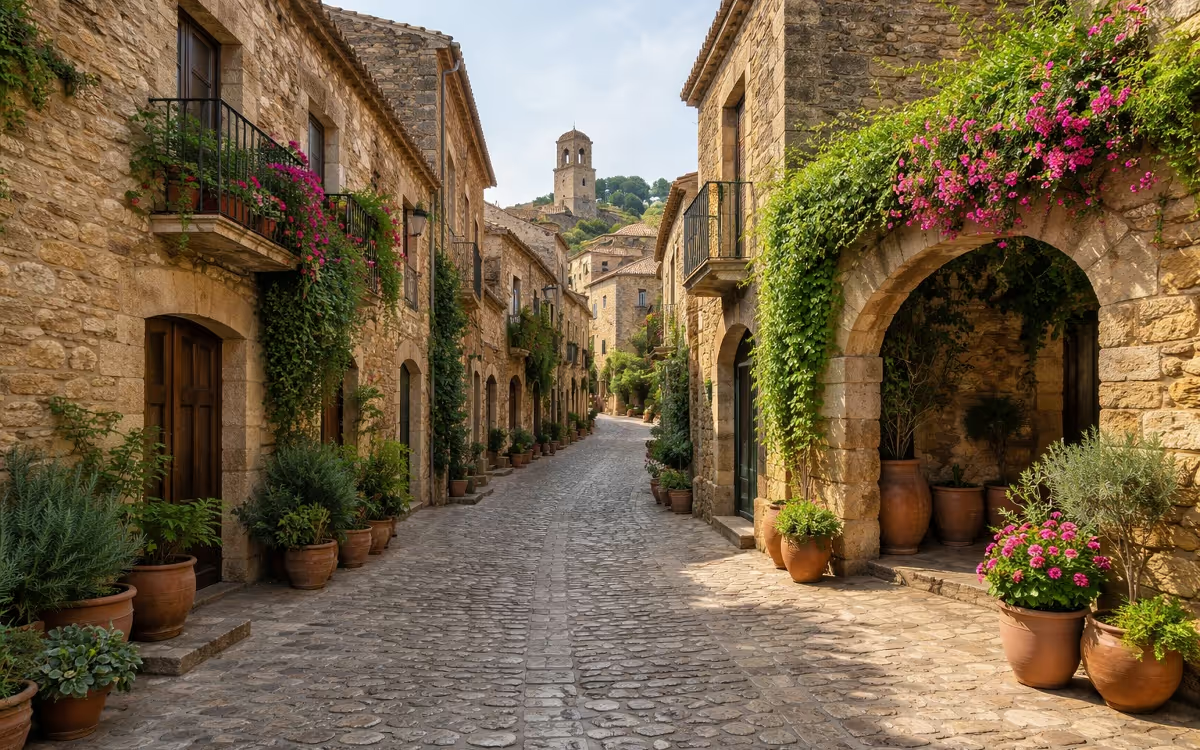
Begur climbs the slopes below its castle, which sits on top of a hill overlooking the coast. The village still has the houses of the ‘indians’, people from Begur who left to make their fortune in the Americas, mostly in Cuba, in the 19th century.
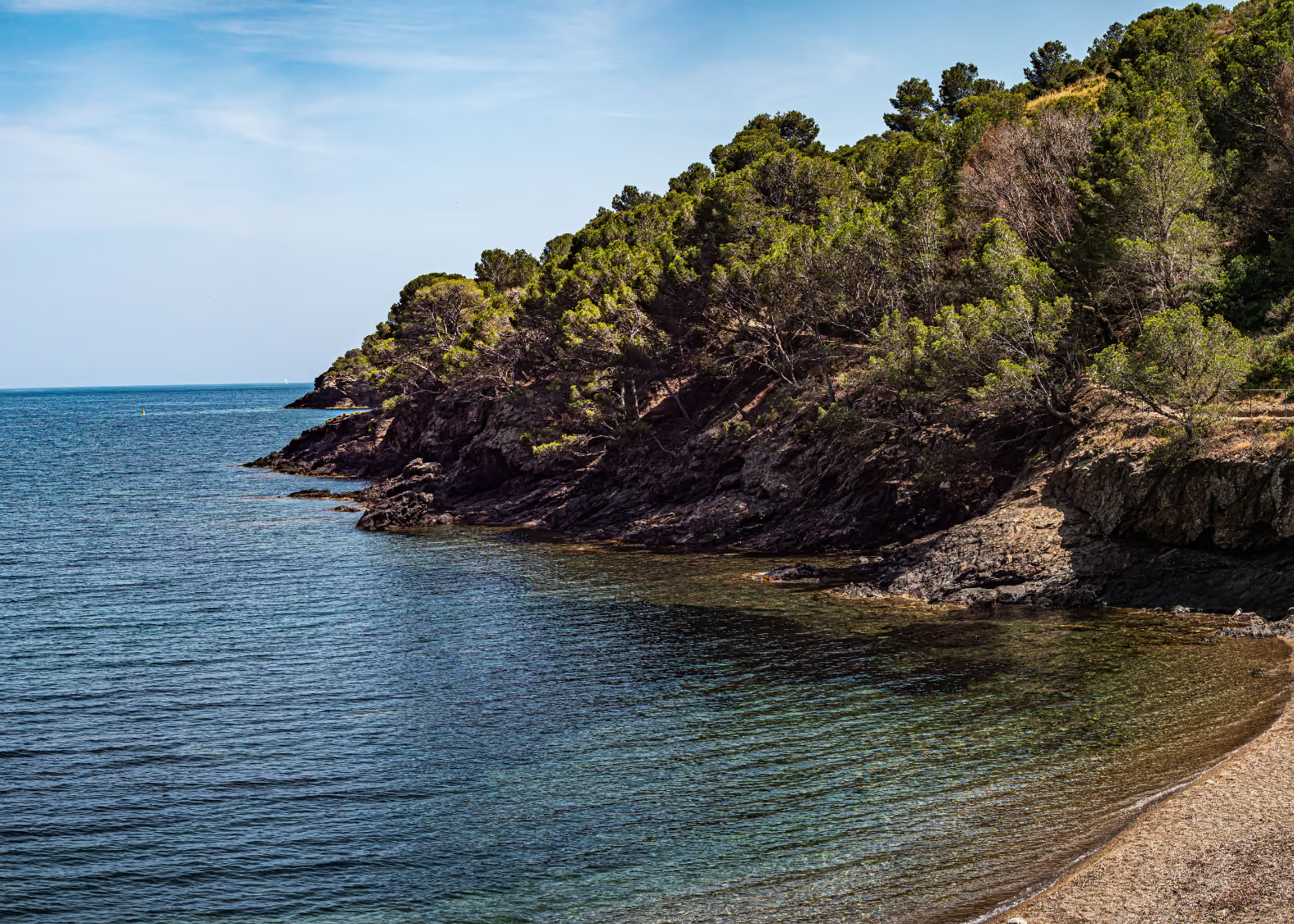
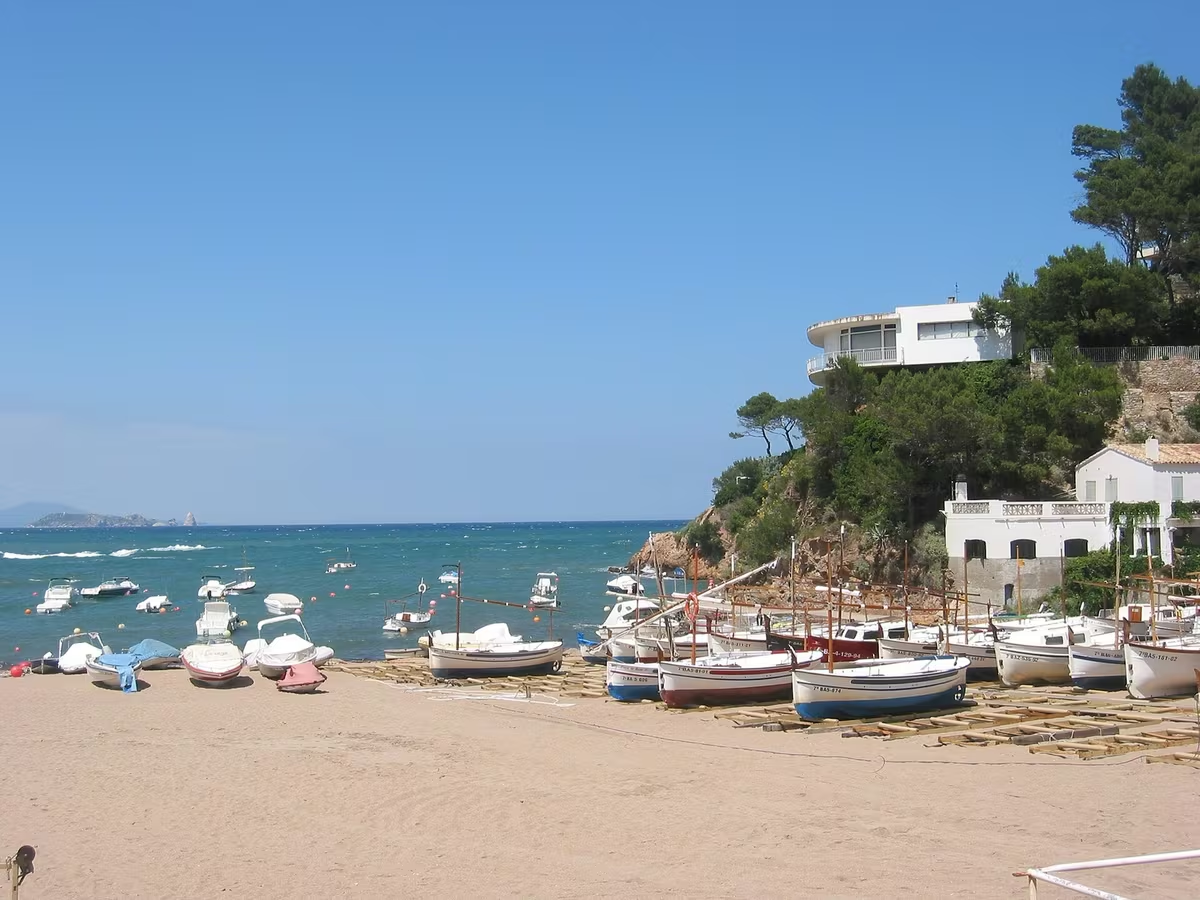
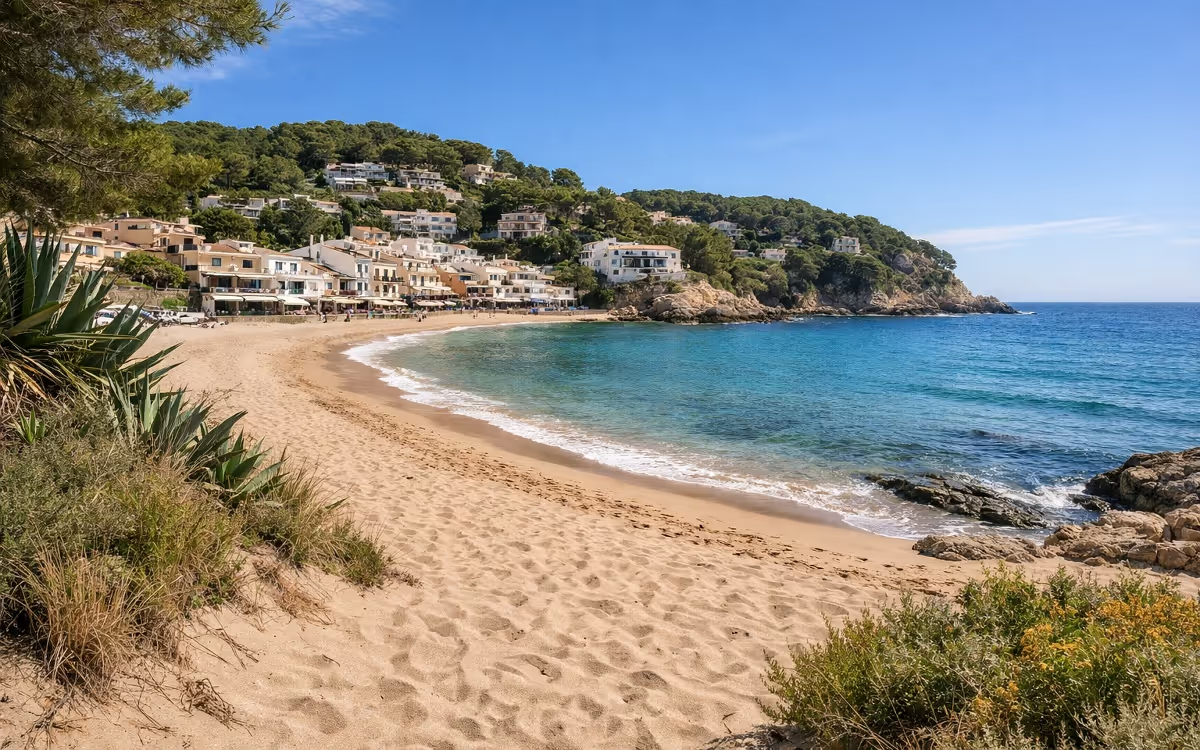
Its coastline is a string of coves: Sa Riera, Aiguafreda, Sa Tuna, Fornells and Aiguablava, which is home to a Parador.
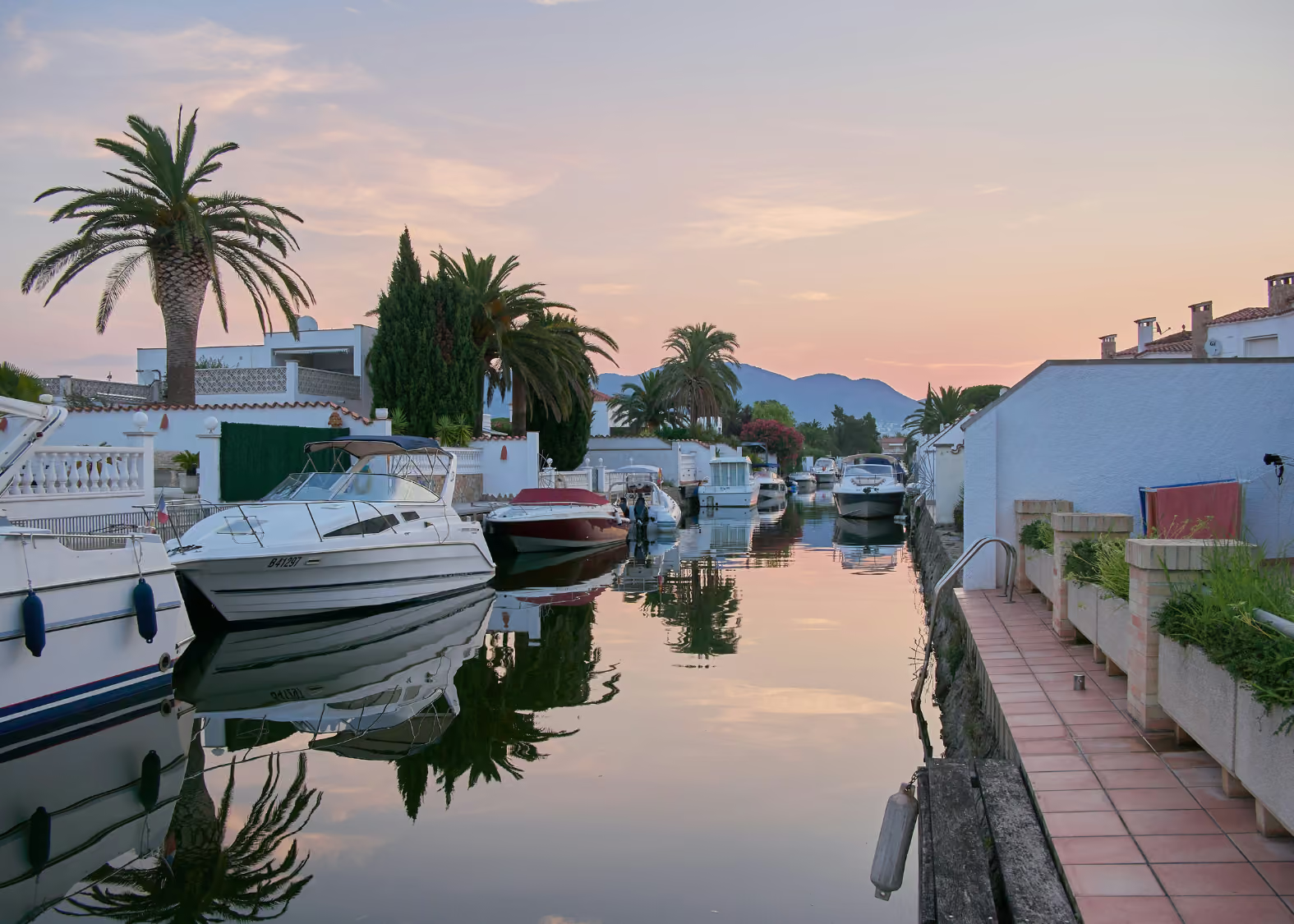
Other places we cover from our Barcelona office: TarragonaGironaEmpuriabravaBadalonaRosesBlanesFigueresCastelldefelsL'EscalaSitgesLloret de MarPlatja d'AroCalafellTossa de Mar






Step 1 of 12
Still on the Costa Brava, with the same English-speaking support.
Yes. Spain places no nationality restrictions on buying property. You do, however, need an NIE, the foreigner identification number, which is required to sign at the notary's and to open a Spanish bank account. We handle this step as part of our support.
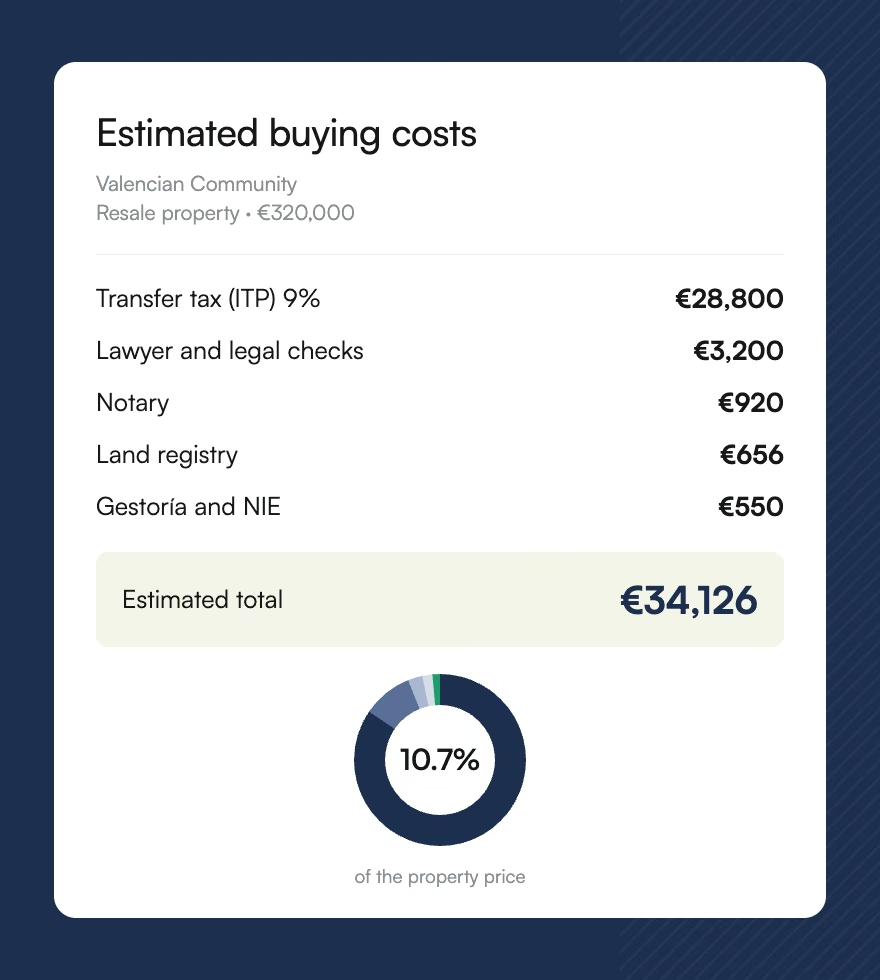
As a rule, allow 10 to 15% of the asking price. This covers transfer tax (ITP) for a resale property or VAT for a new build, notary fees, land registry registration and administrative costs. Our online buying costs calculator gives a detailed estimate by region and type of property.
No. Many of our clients buy from abroad. Viewings can be done by video call with a written report, and signing at the notary's is possible with a power of attorney. On site, we check what photos do not show: the real condition, the immediate surroundings, any nuisances, compliance.
We check the property's legal status at the land registry, that there are no debts or unpaid charges, planning compliance, the state of the community of owners and whether the price is consistent with recent sales in the area. These checks take place before any offer, not after.
From the first viewing to signing, it generally takes two to four months. The timing depends mainly on getting the NIE, any financing and the notary's availability. A cash purchase with a complete file can go faster.